
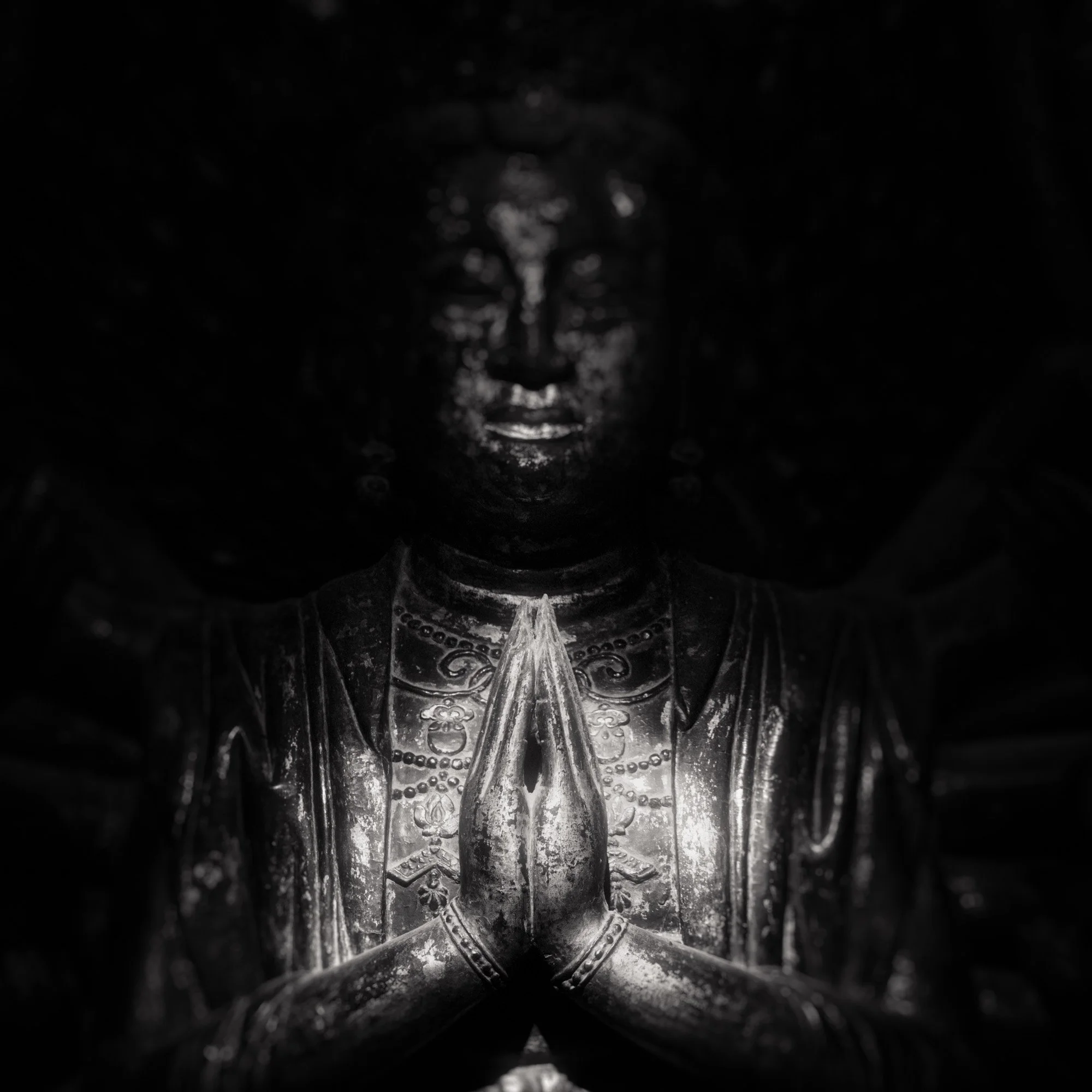
But Thap Pagoda 16
Vietnam’s spiritual identity is a map of ancient migrations, where the architecture of its temples reveals a history of empire-building and cultural exchange. Moving from the north’s mist-covered peaks to the south’s sun-drenched plains, we witnessed the landscape shift from the elegant, curved eaves of Buddhist pagodas to the weathered red-brick towers of Hindu sanctuaries.
The Buddhist North: A Legacy of the Red River Delta
In North Vietnam, Buddhism arrived 1,800 - 2,200 yrs ago, reaching the region through both maritime routes from India and overland through Central Asia and China. For nearly a millennium, the north was dominated by China, which deeply influenced the practice of Mahayana Buddhism, aligning it with East Asian traditions, and was at its zenith 600 - 1,000 yrs ago.
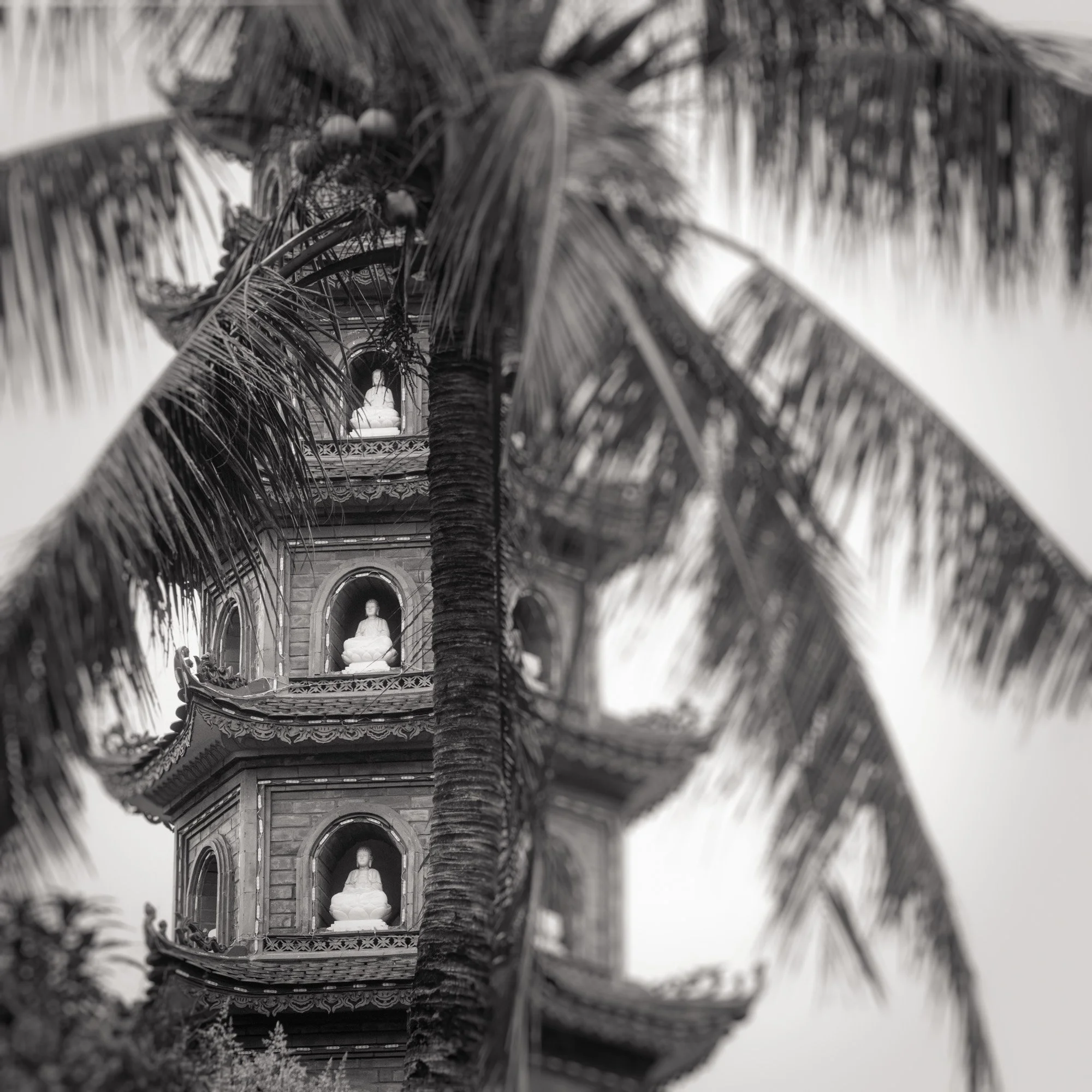
Tran Quoc Pagoda 2
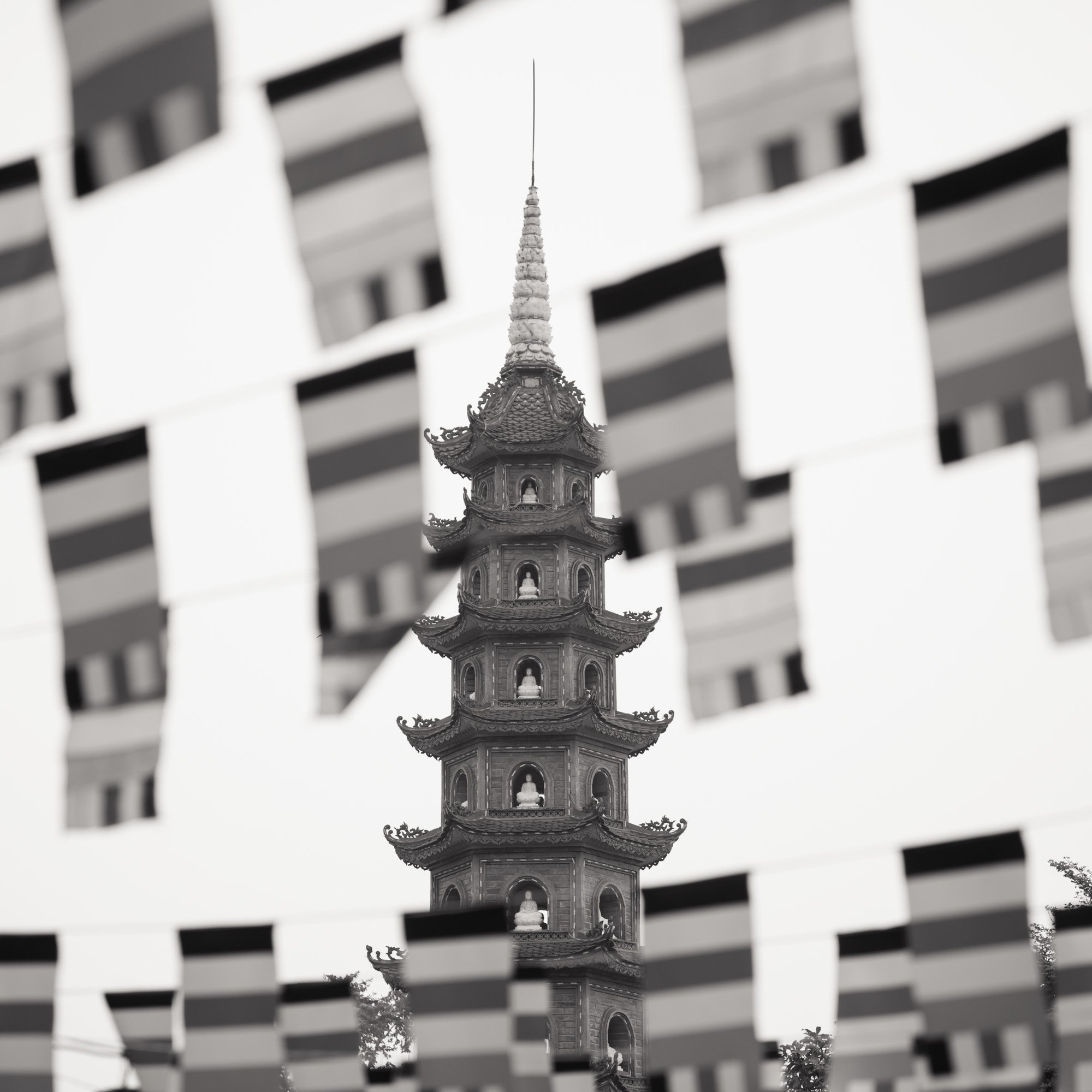
Today, this heritage is preserved in iconic structures like Hanoi’s Tran Quoc Pagoda, founded over 1,500 yrs ago. Another landmark is the One Pillar Pagoda, built 977 yrs ago to resemble a blooming lotus flower. For those seeking grander scales, the Bai Dinh Pagoda in Ninh Binh blends roots tracing back over 1,000 yrs with a massive modern expansion.
The Hindu Mid and South: The Echoes of Champa and Funan
Traveling into Central and South Vietnam, we entered the former territories of the Funan and Champa Kingdoms. Hinduism spread here roughly 1,800 - 2,000 yrs ago, primarily through Indian merchants and Brahmins following maritime trade routes. These "Indianized" kingdoms adopted Sanskrit, Indian statecraft, and the worship of deities like Shiva and Vishnu.
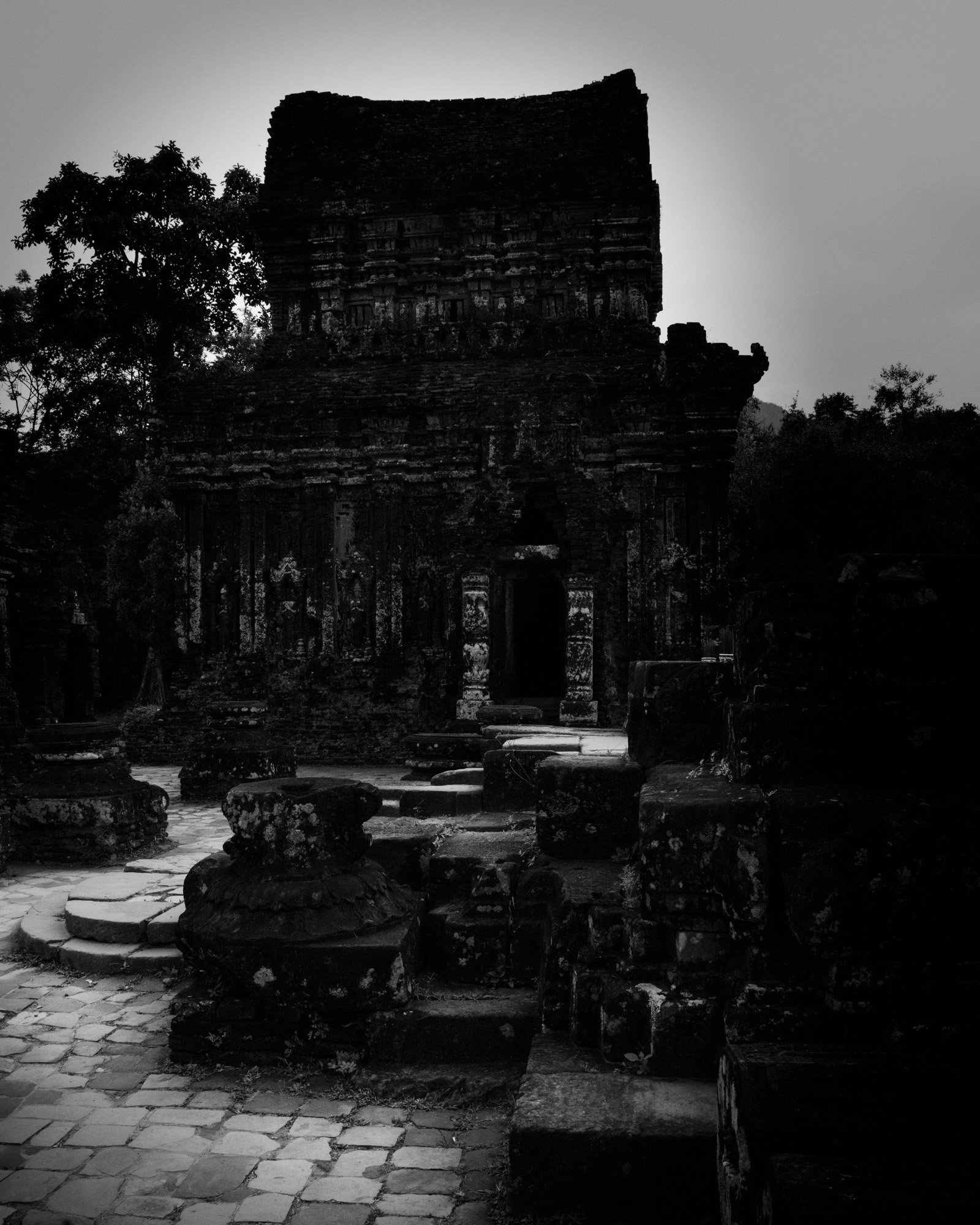
My Son Sanctuary 17
The most profound remnant is the Mỹ Sơn Sanctuary, where structures were built 700 -1,600 yrs ago. Further south in Nha Trang, the Po Nagar Cham Towers, constructed 700 - 1,200 yrs ago, continues to honor the goddess Yan Po Nagar. In Phan Rang, the Po Klong Garai Temple, built roughly 700 yrs ago, remains one of the best-preserved examples of Cham architecture and continues to serve as an active sanctuary.
A Confluence of Faiths
These two traditions eventually met as the Vietnamese people expanded southward, absorbing Cham lands. This historical progression has left Vietnam with a unique religious duality: a north characterized by serene Buddhist pagodas and a south dotted with the majestic ruins of a once-mighty Hindu civilization.
I hope these photographs do justice to the immense history and spiritual gravity of these places, offering a window into the enduring beauty of Vietnam's sacred past.
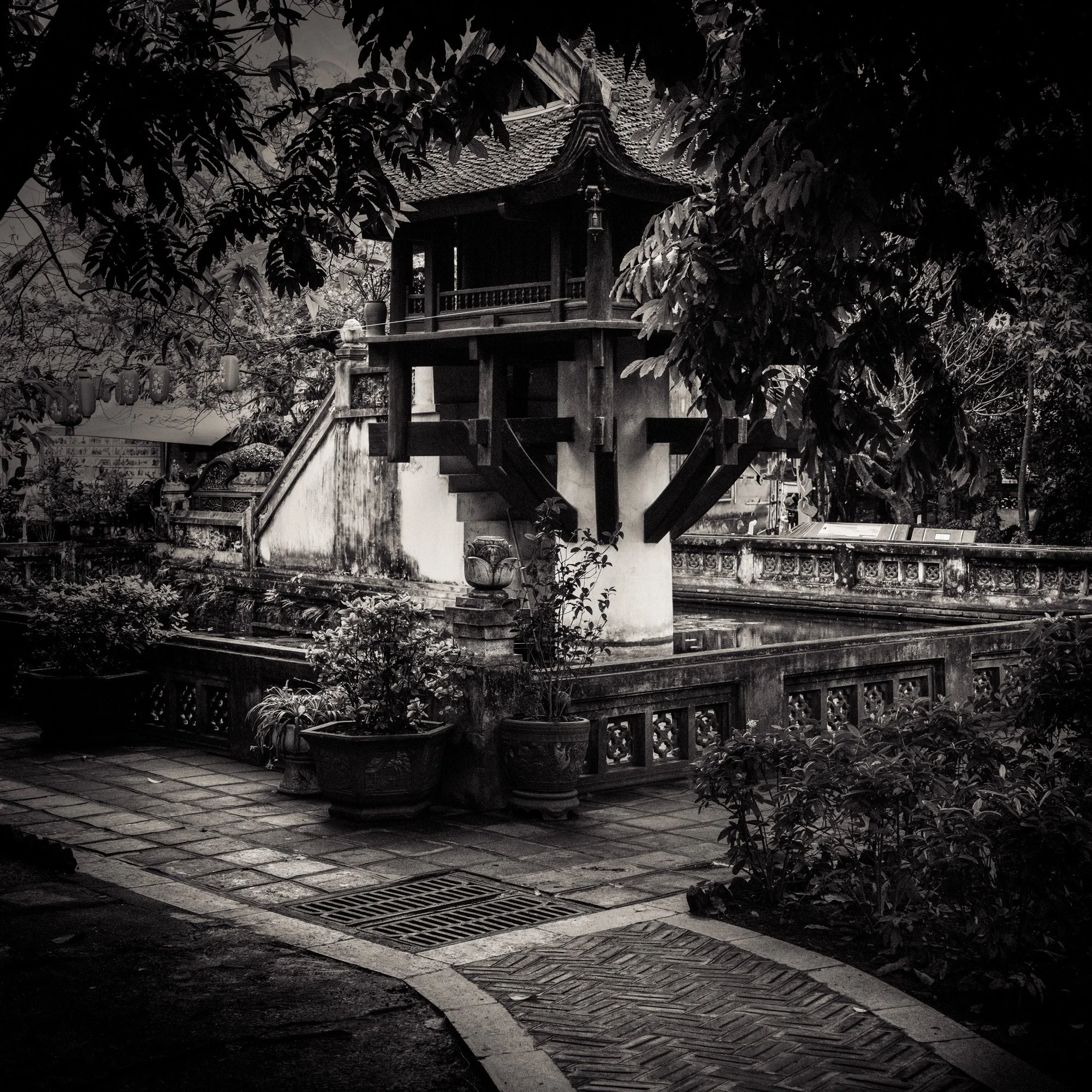
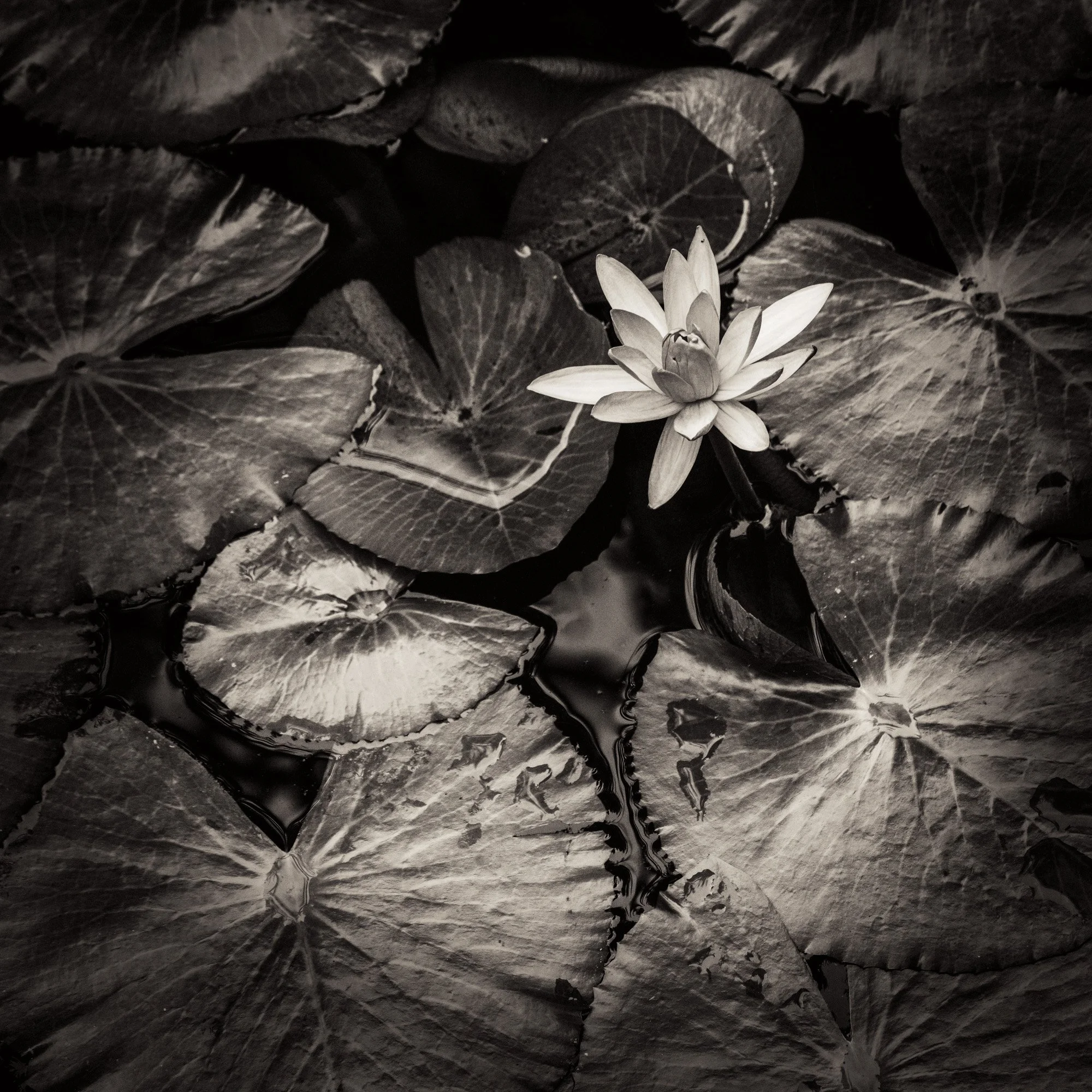
One Pillar Pagoda 1
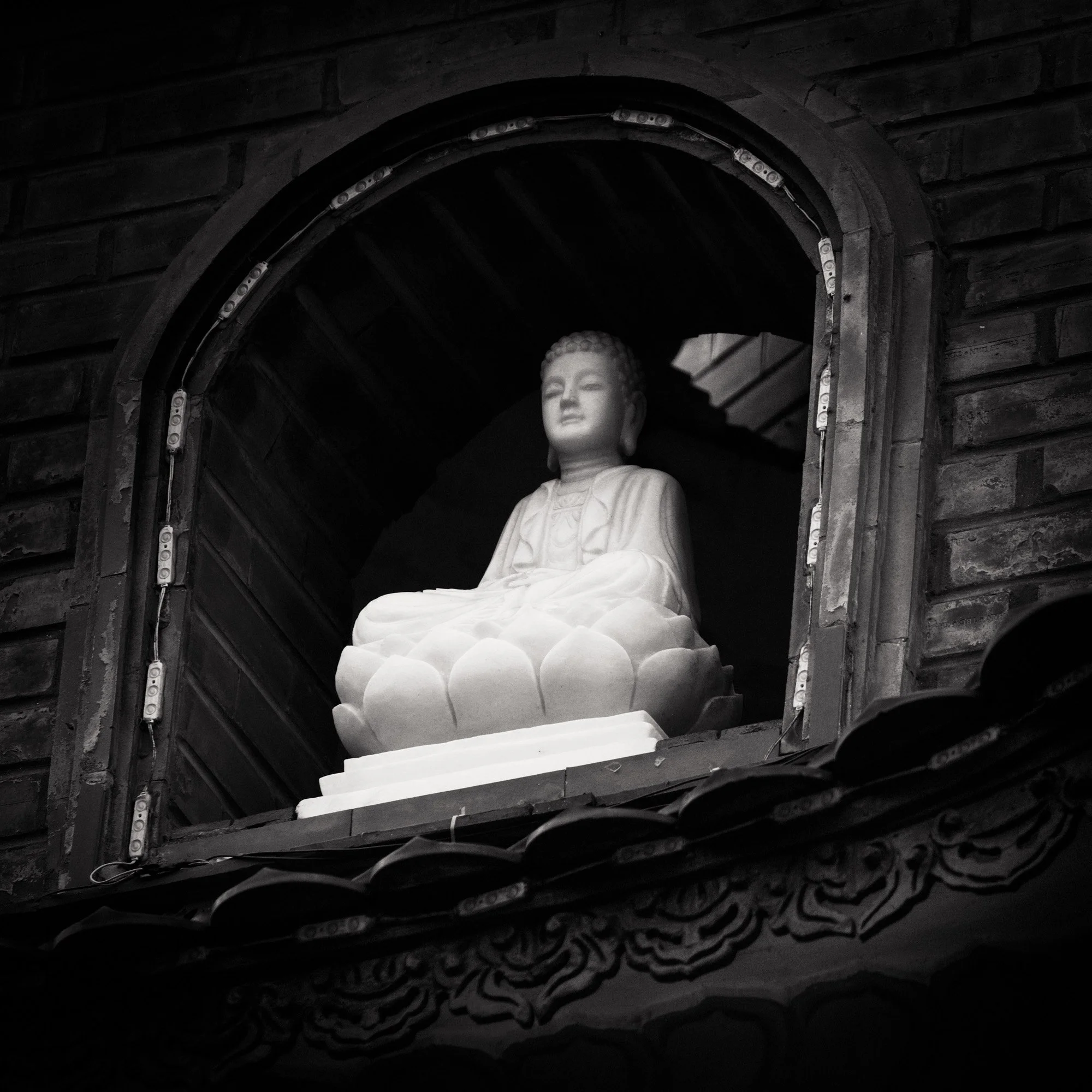
One Pillar Pagoda 2
Tran Quoc Pagoda 6
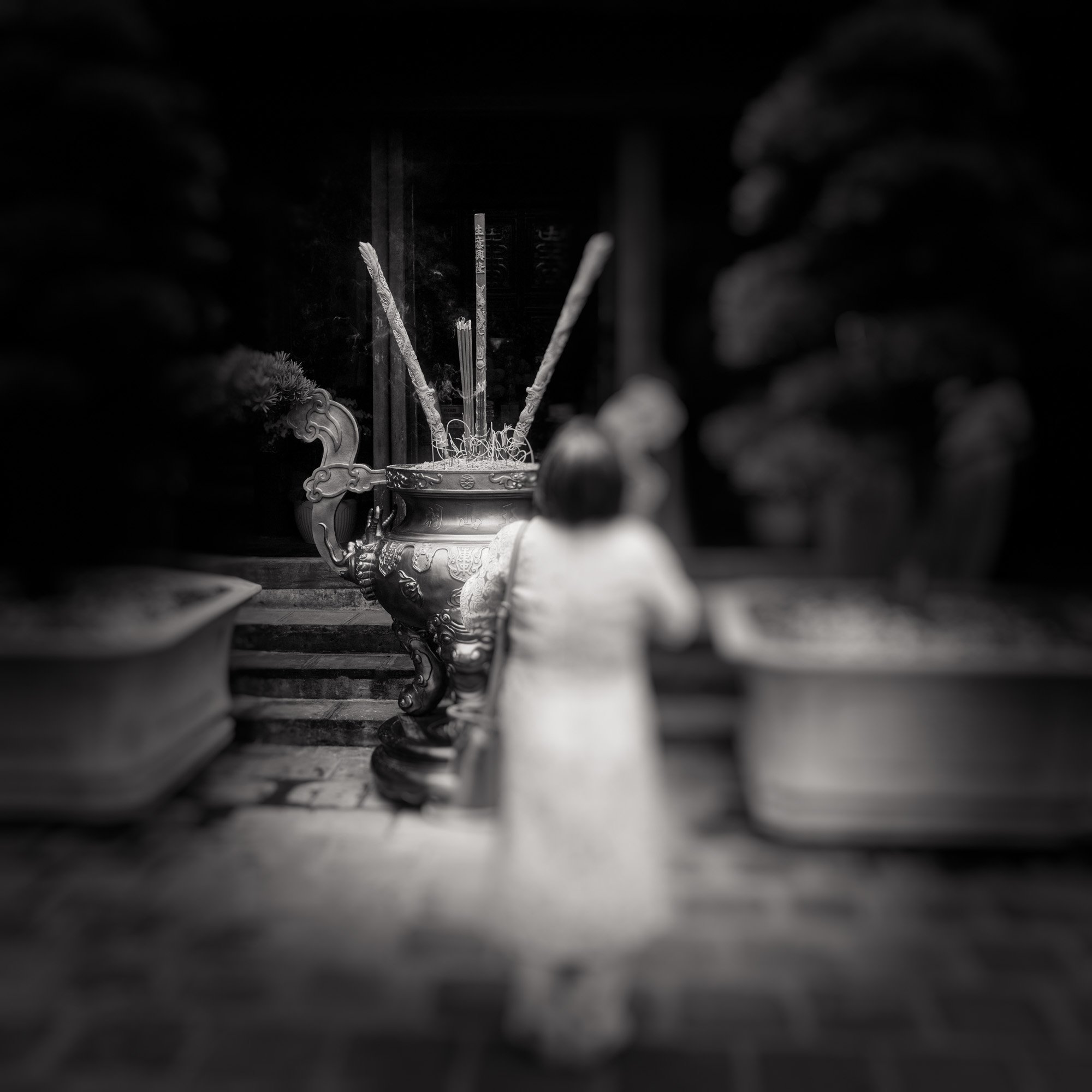
Tran Quoc Pagoda 8
Ngoc Son Temple 1
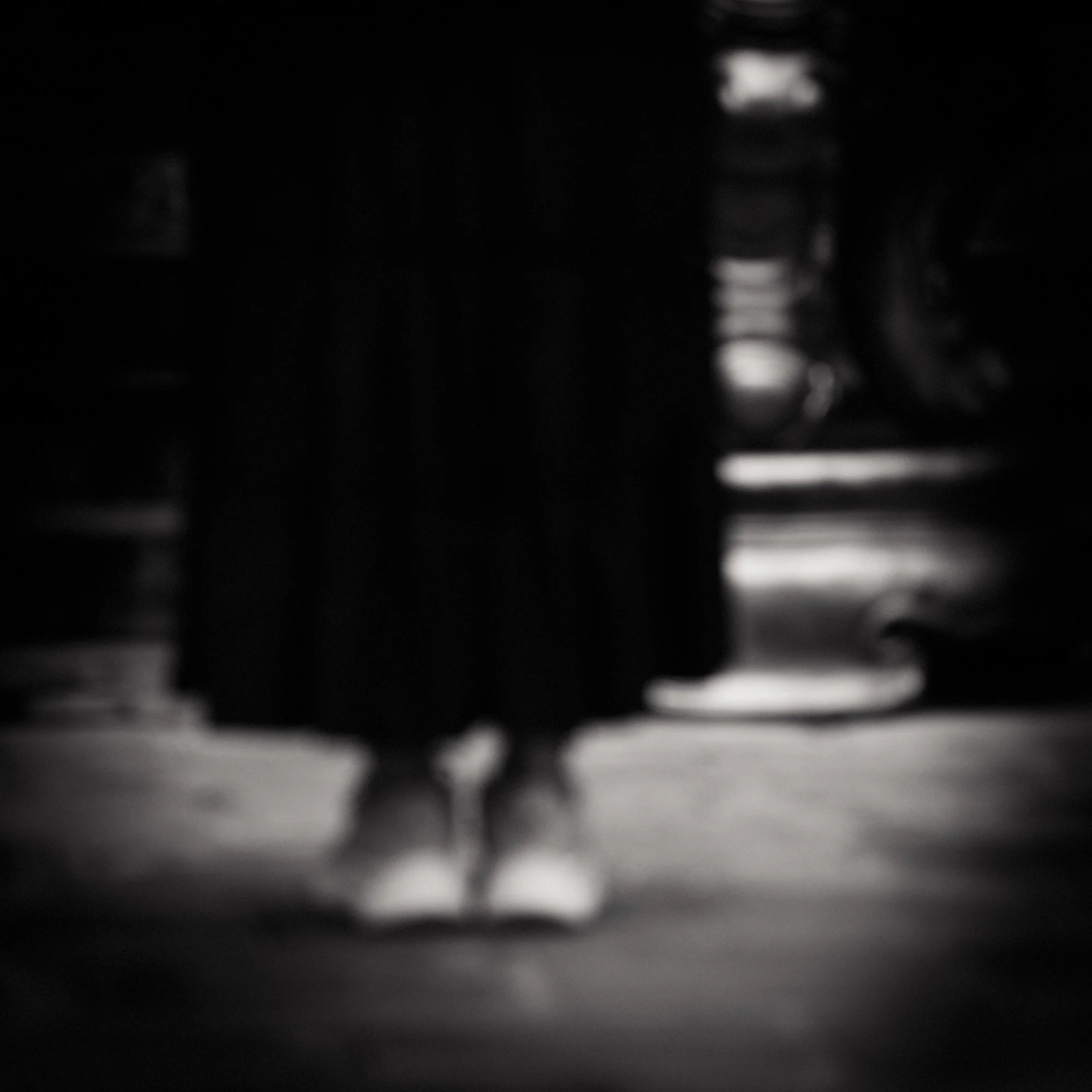
Ngoc Son Temple 7
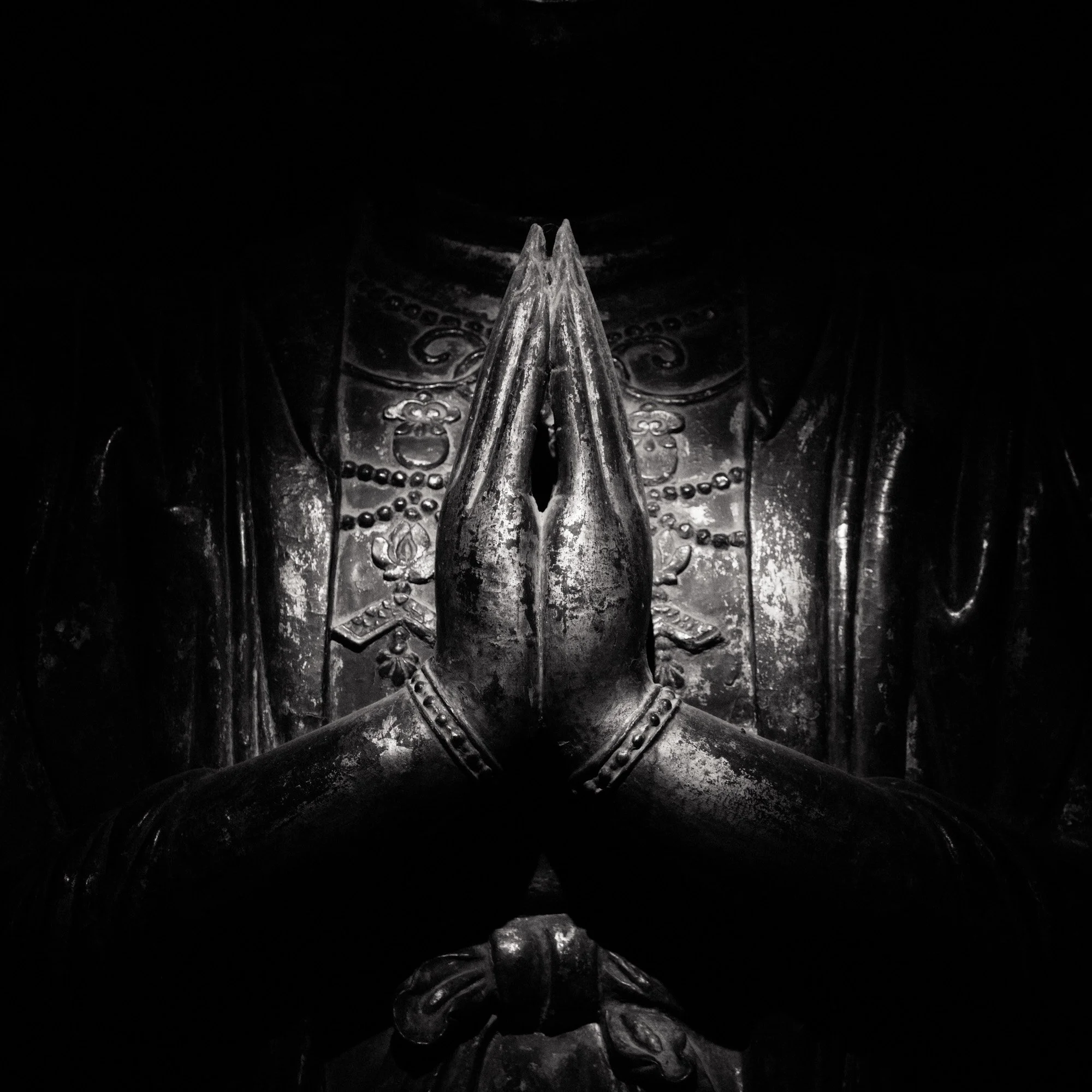
But Thap Pagoda 2
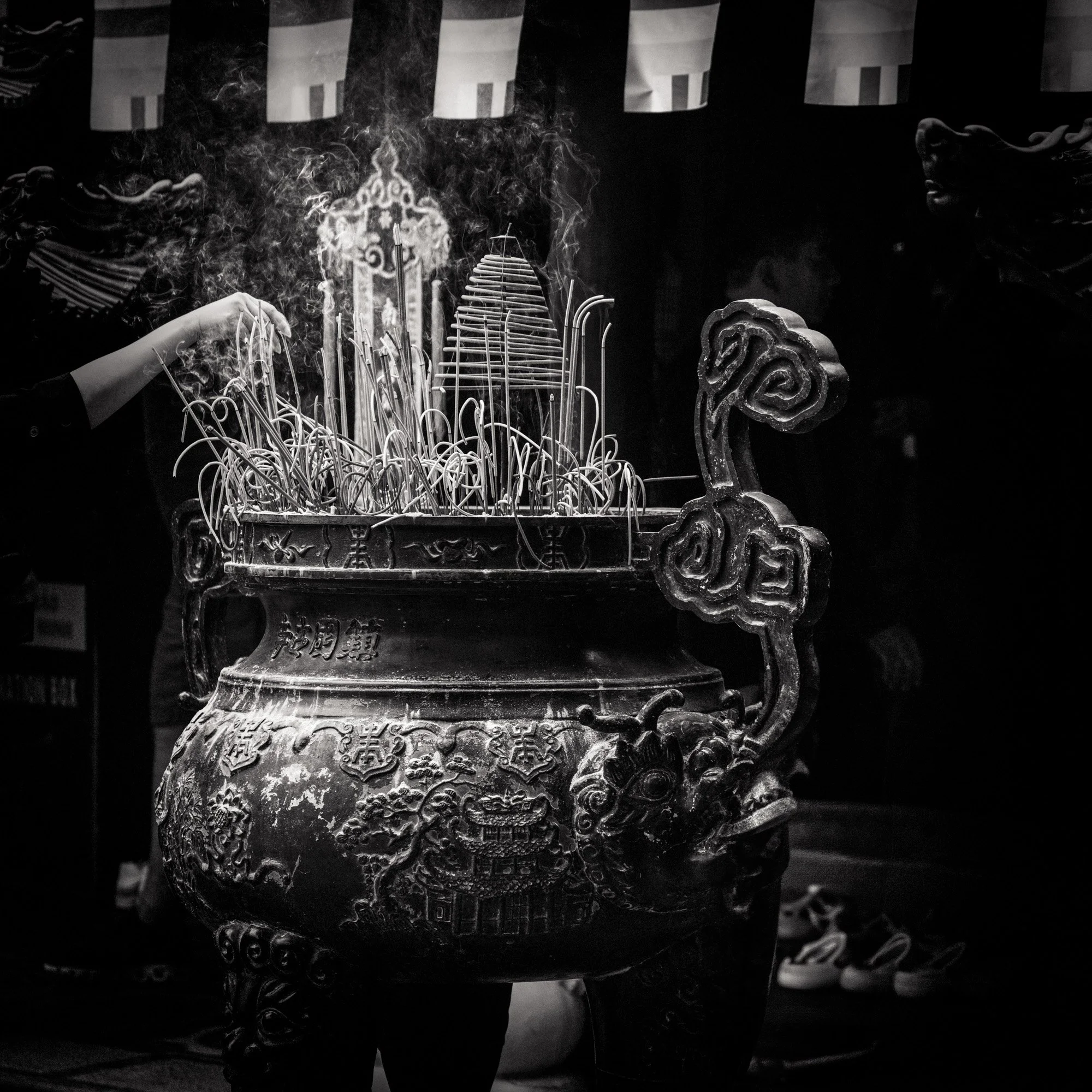
Ngoc Son Temple 3
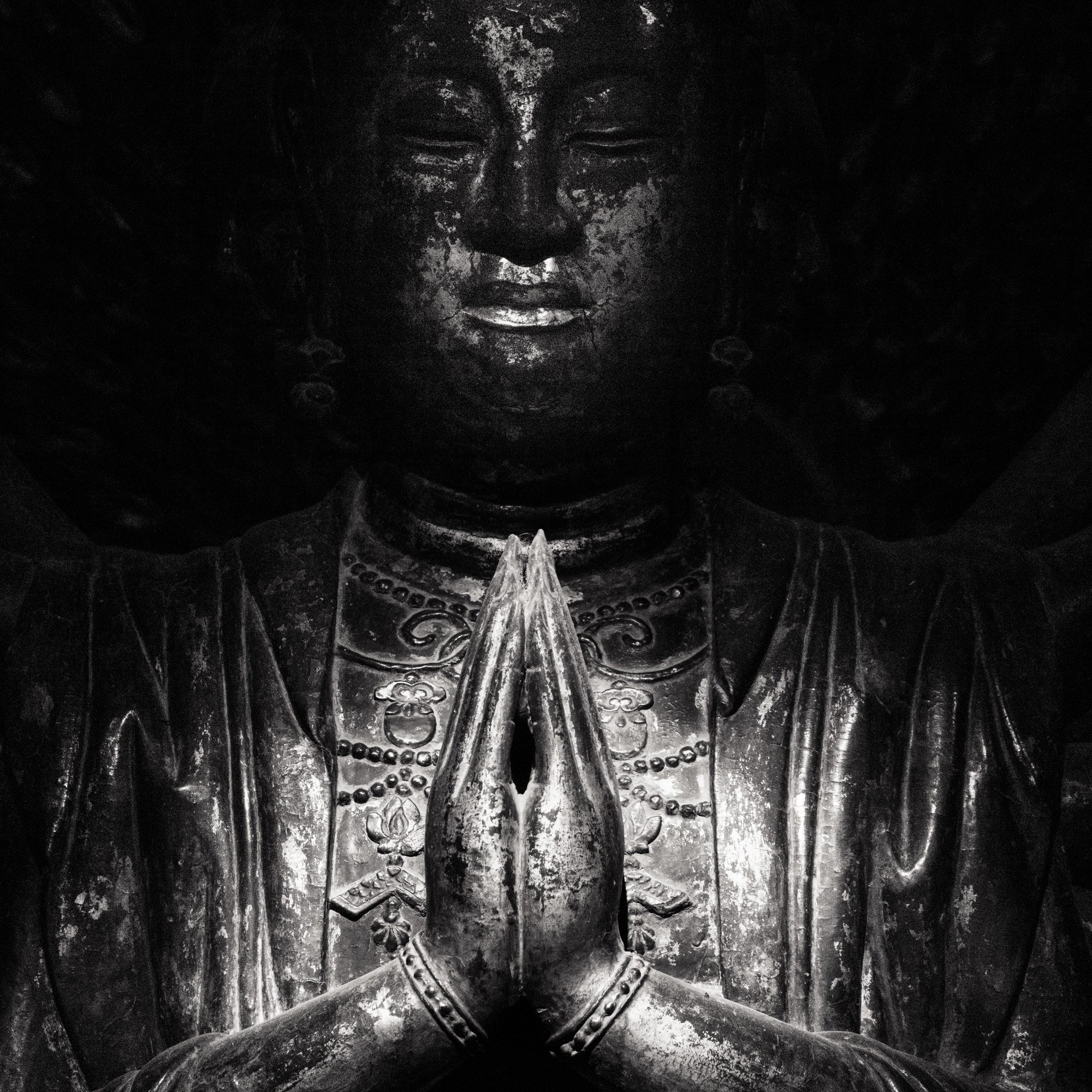
But Thap Pagoda 5
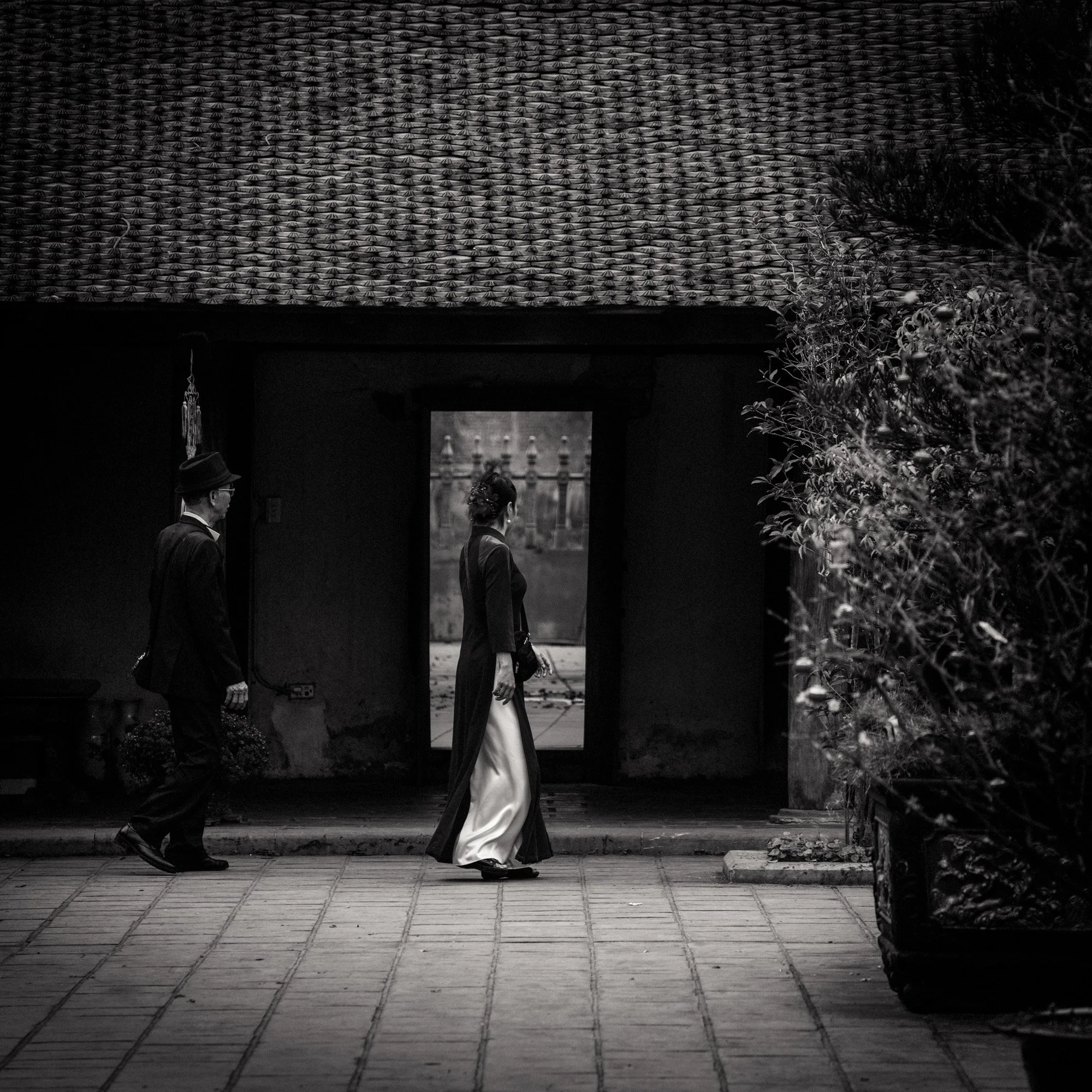
But Thap Pagoda 9
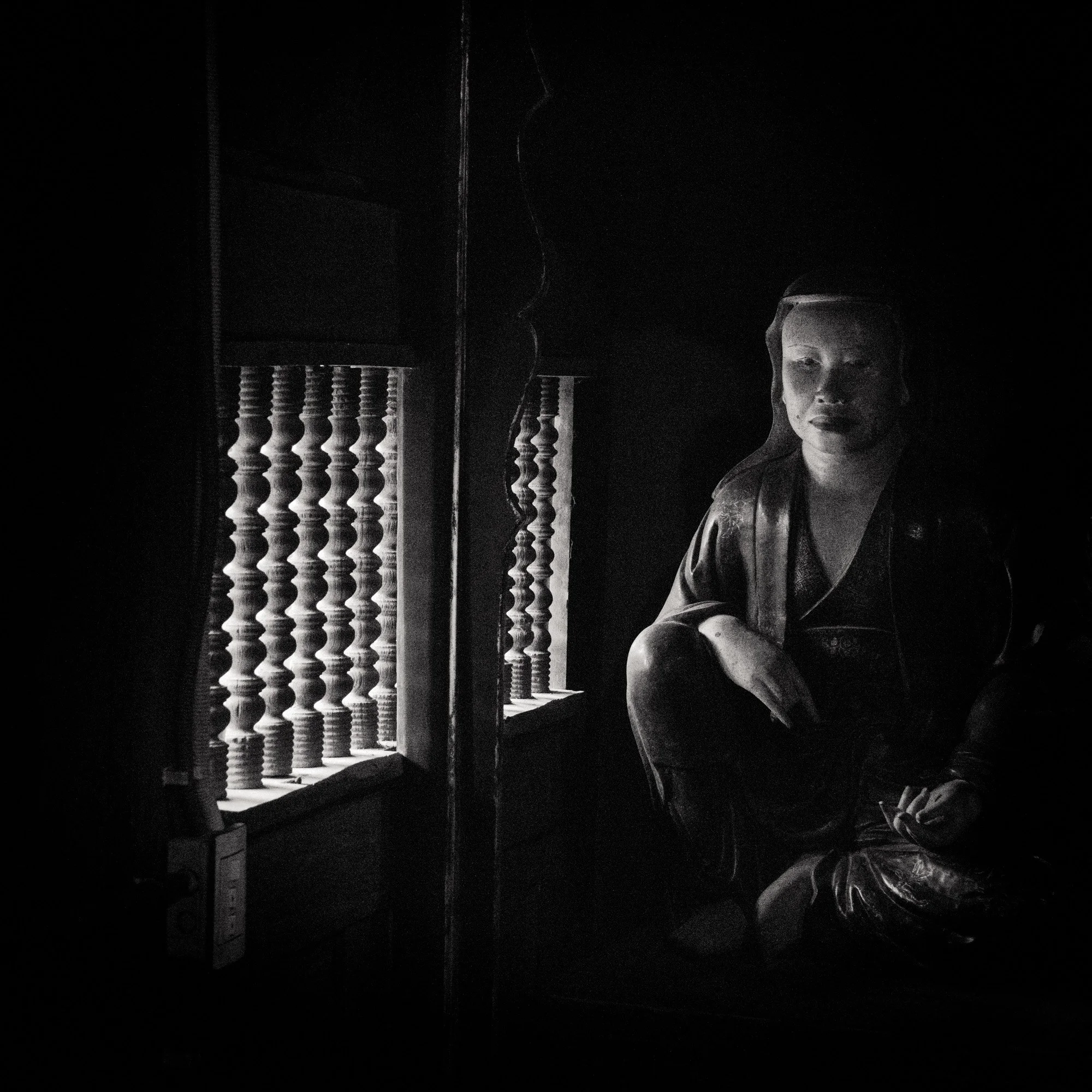
But Thap Pagoda 4
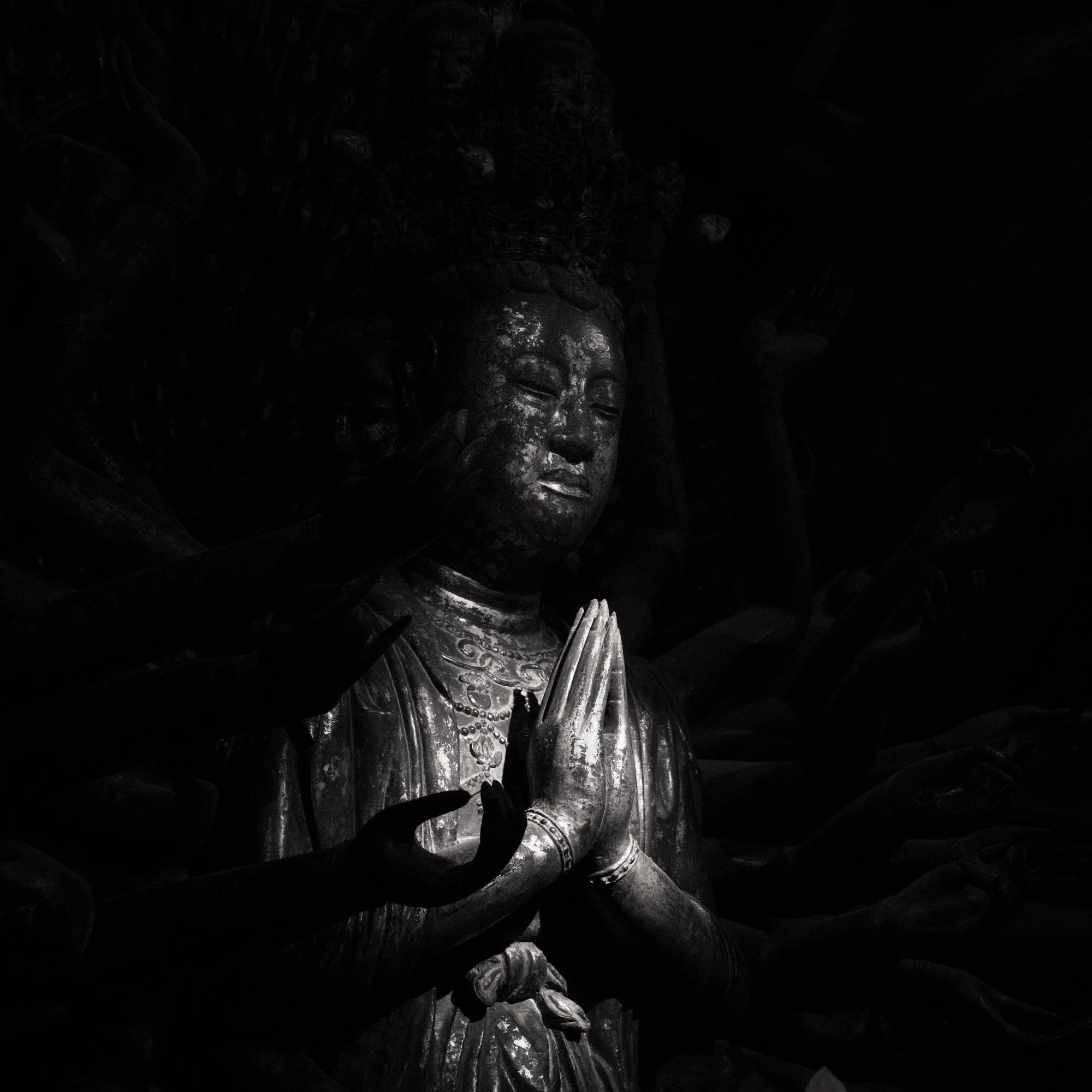
But Thap Pagoda 13
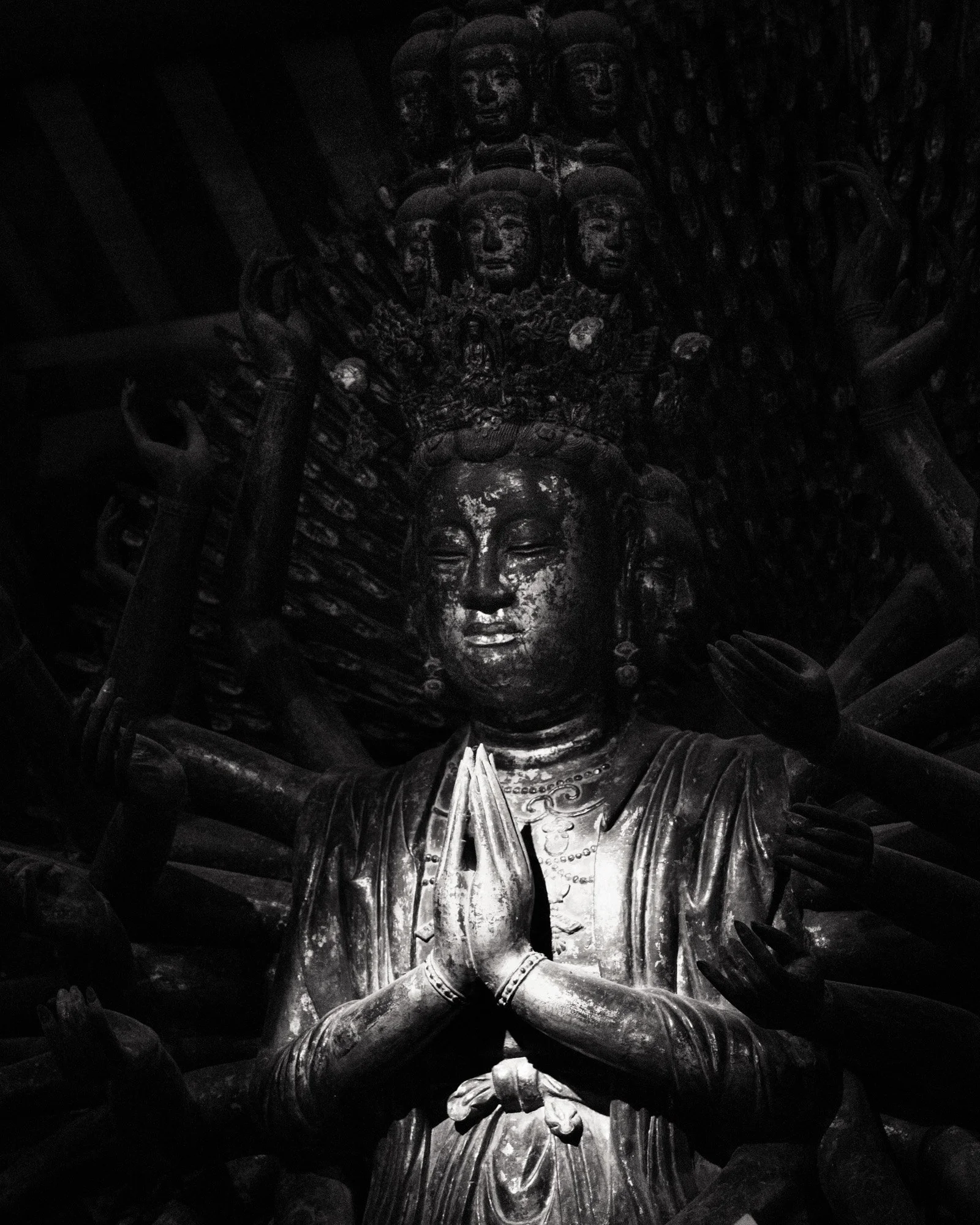
But Thap Pagoda 15
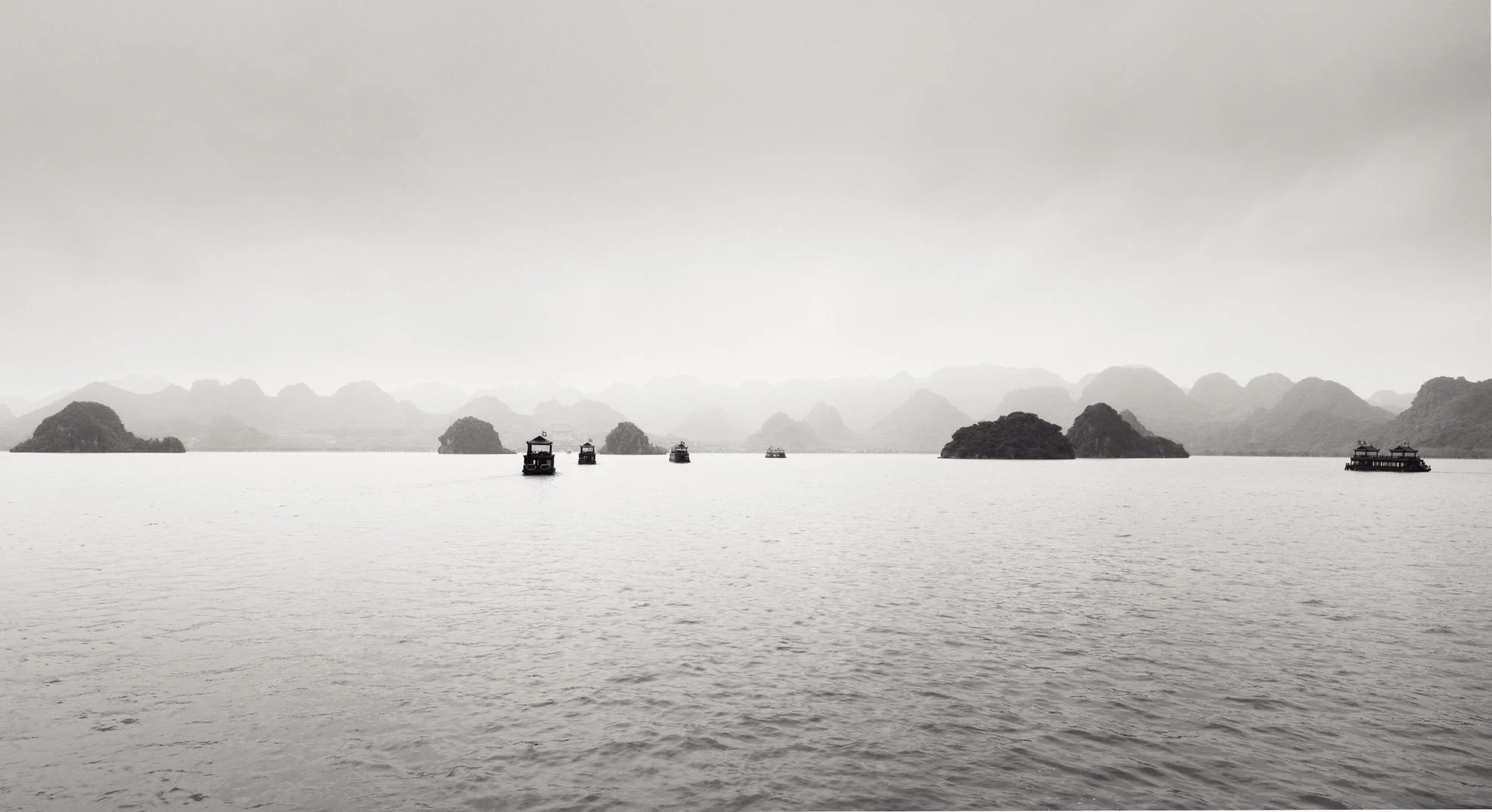
Tam Chuc Pagoda 5
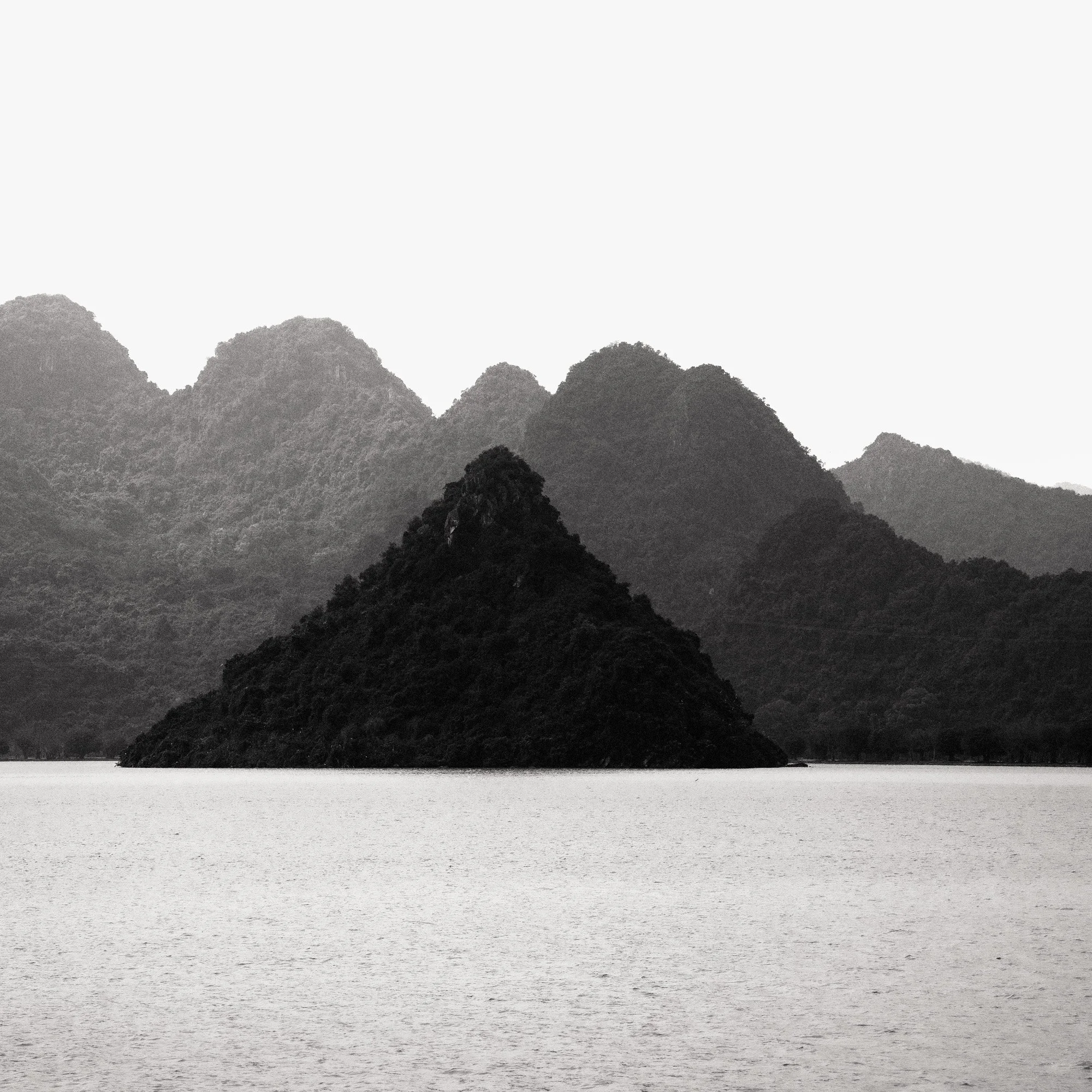
Tam Chuc Pagoda 2
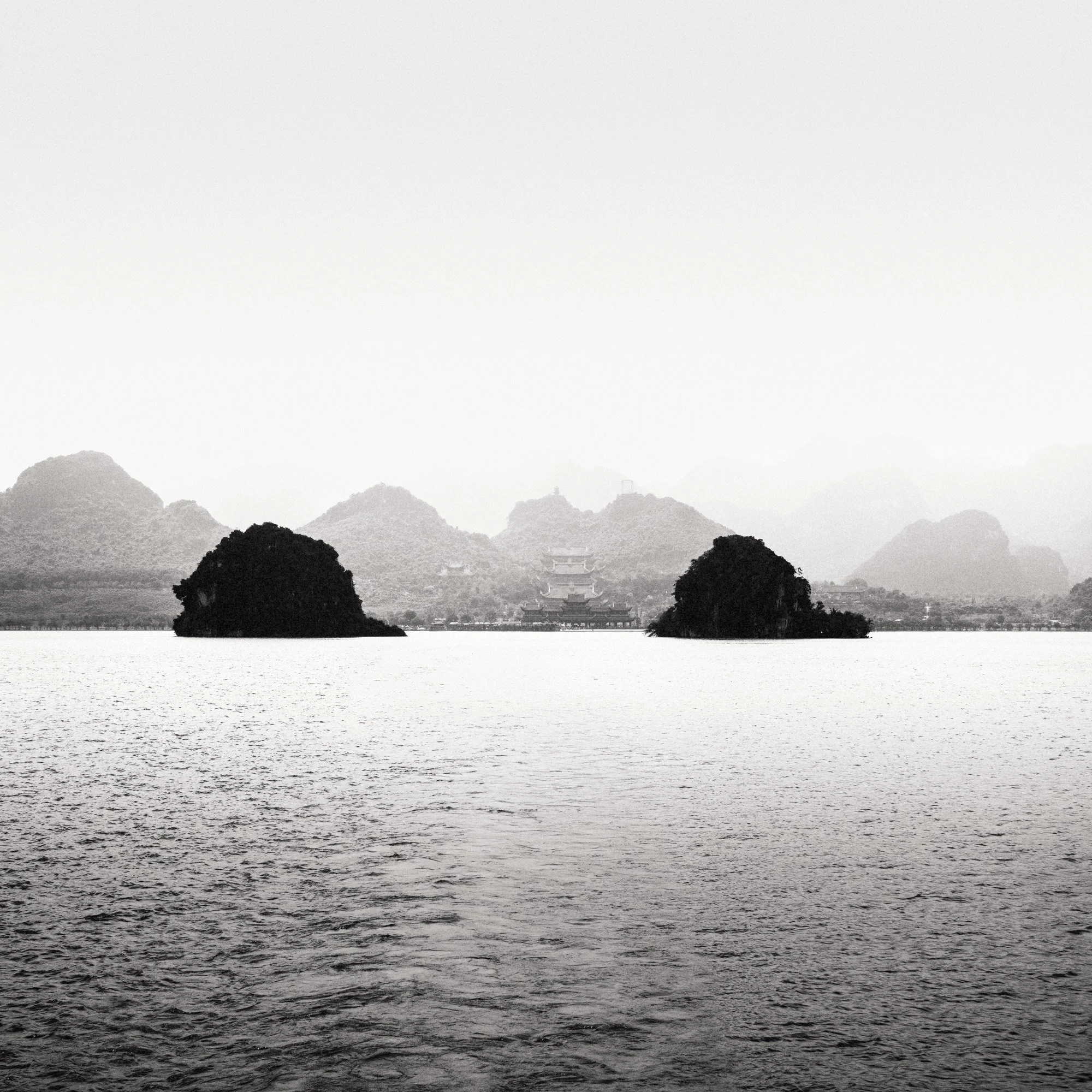
Tam Chuc Pagoda 3
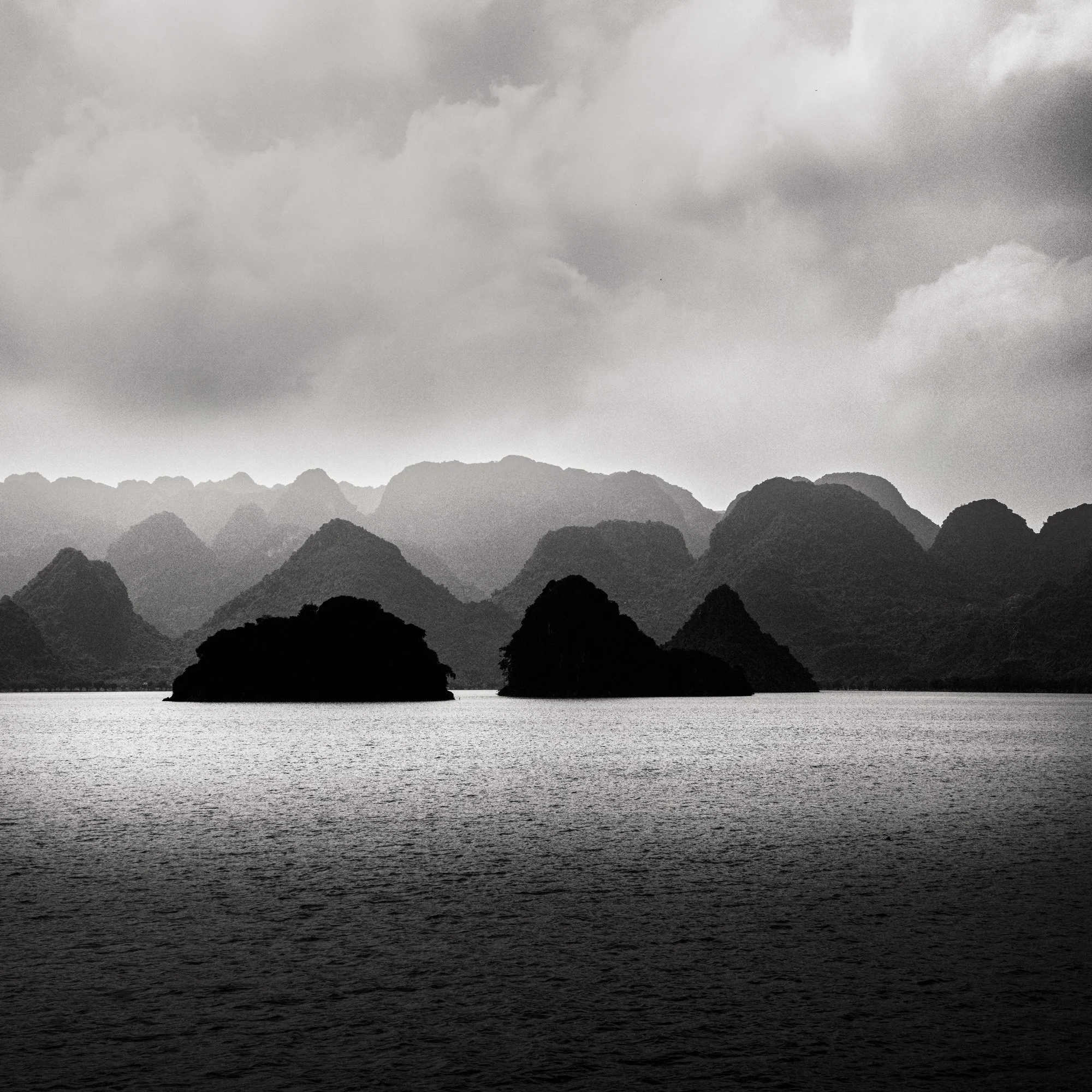
Tam Chuc Pagoda 4
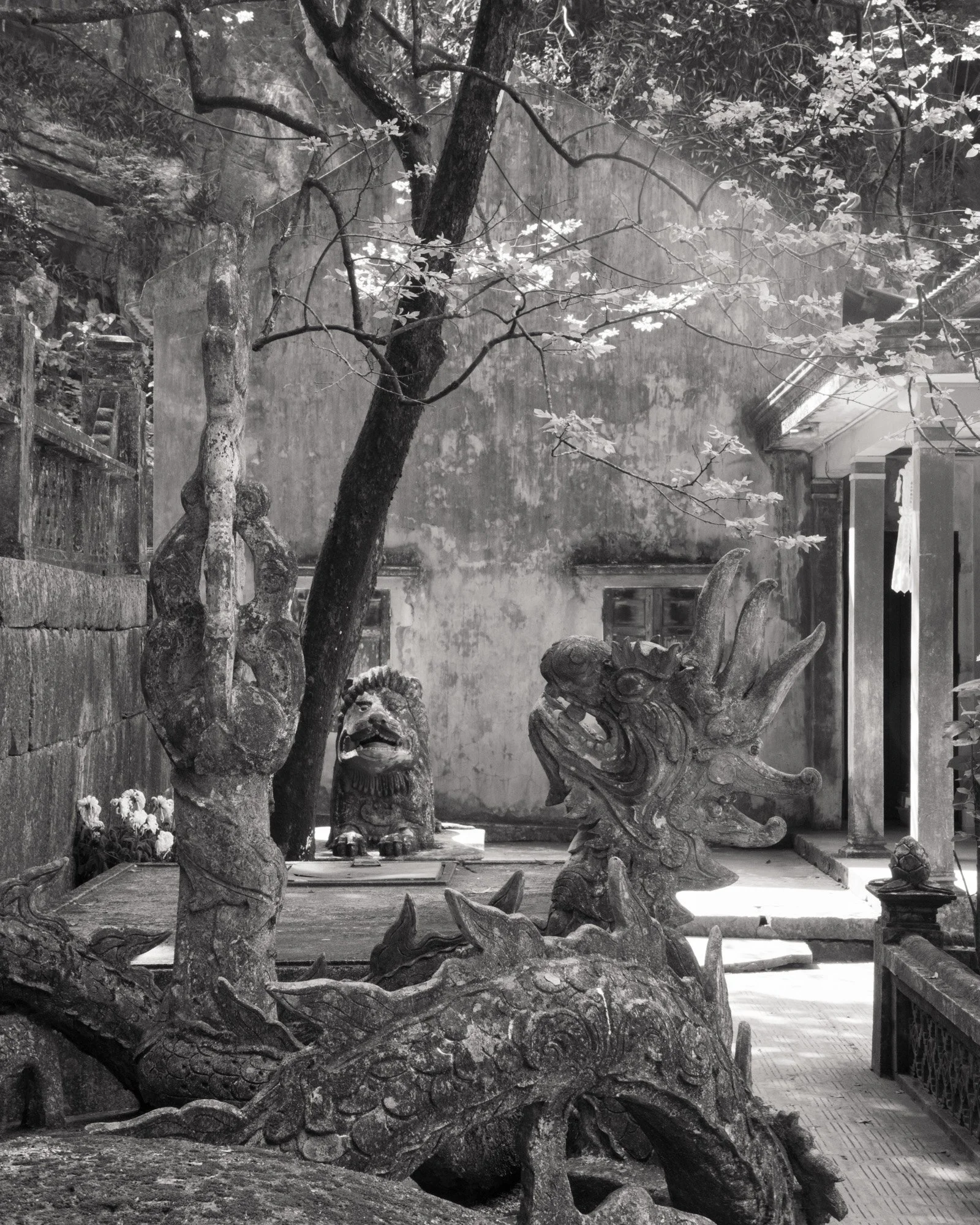
Bich Dong Pagoda 1
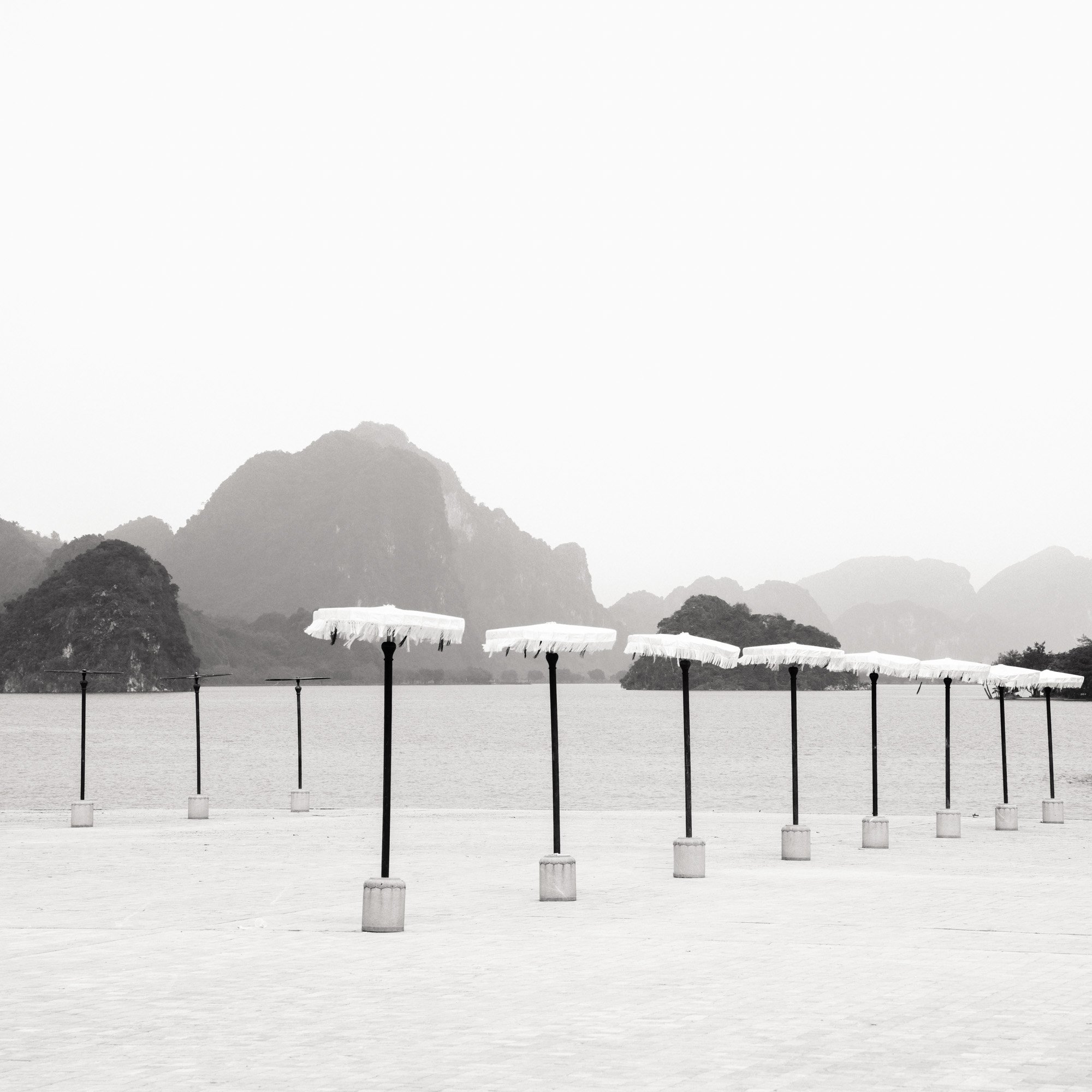
Tam Chuc Pagoda 1
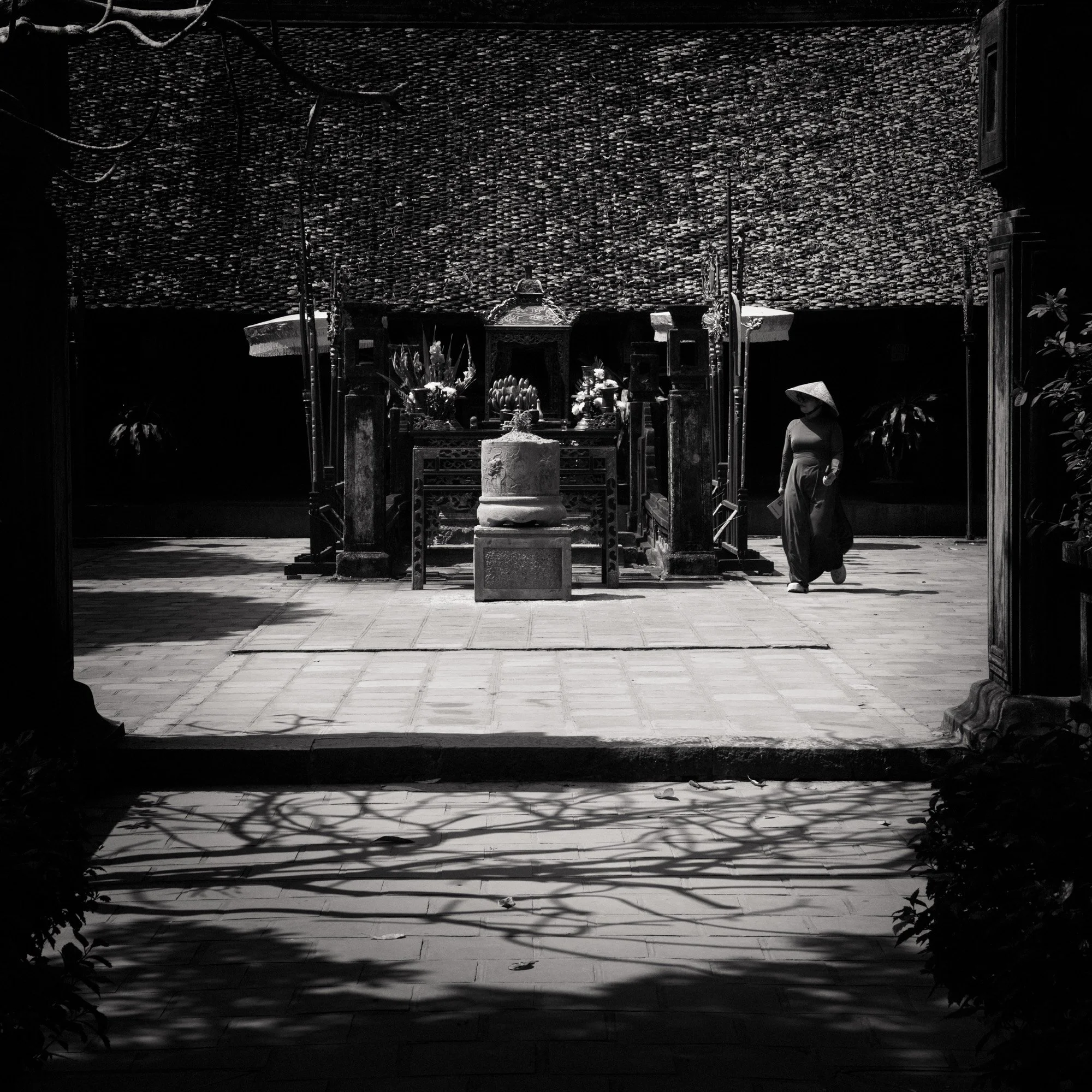
Hoa Lu Ancient Capital 2
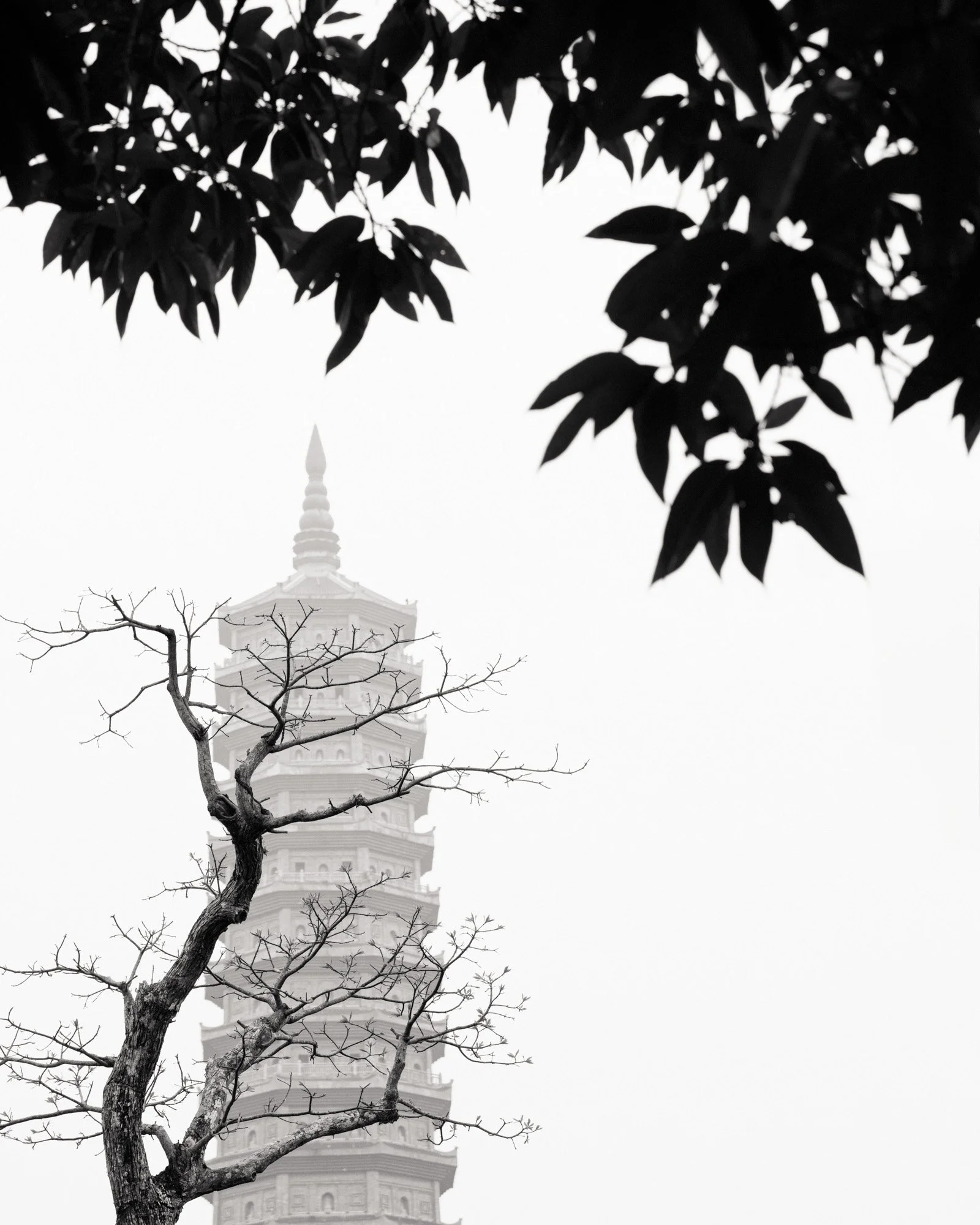
Bai Dinh Pagoda 1
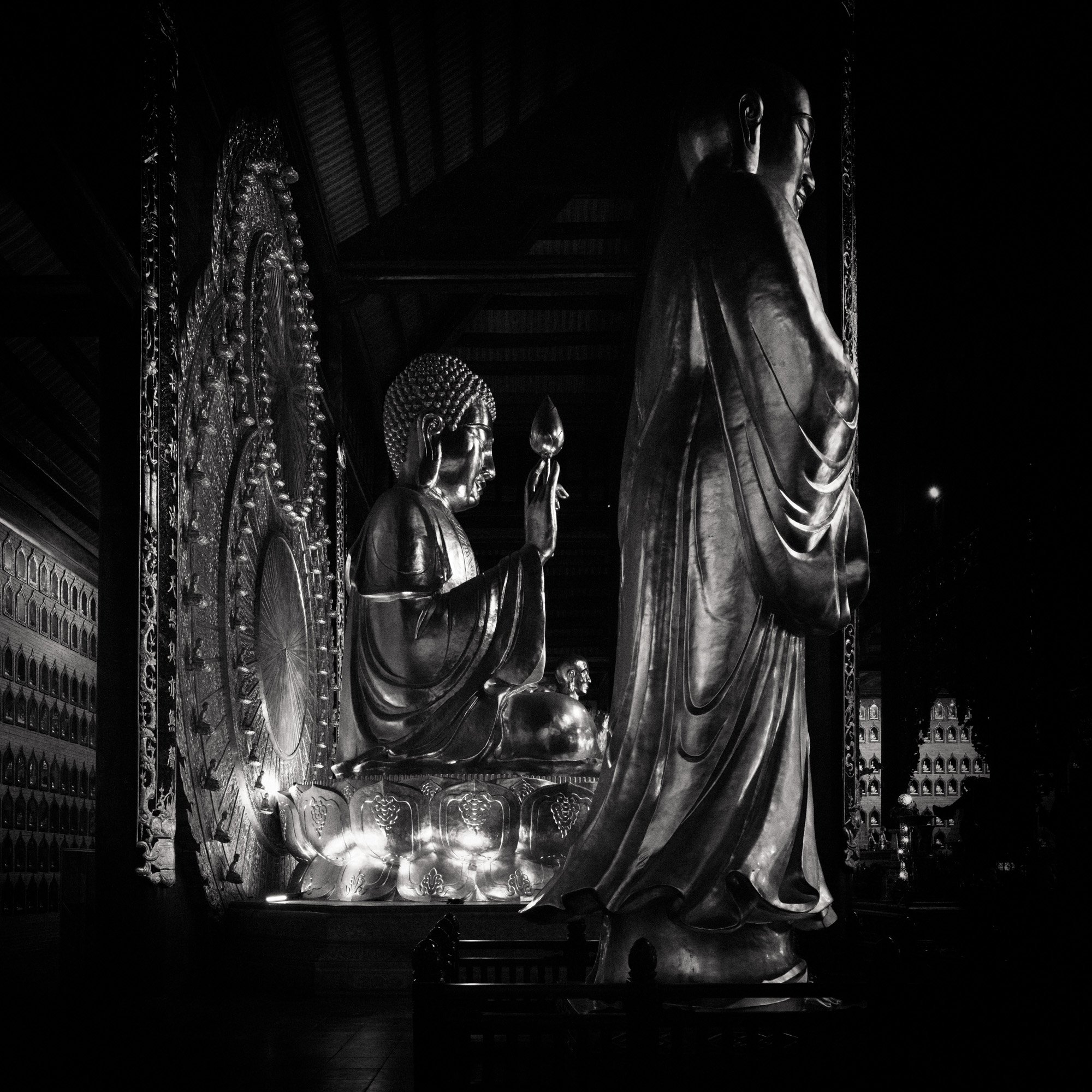
Bai Dinh Pagoda 3
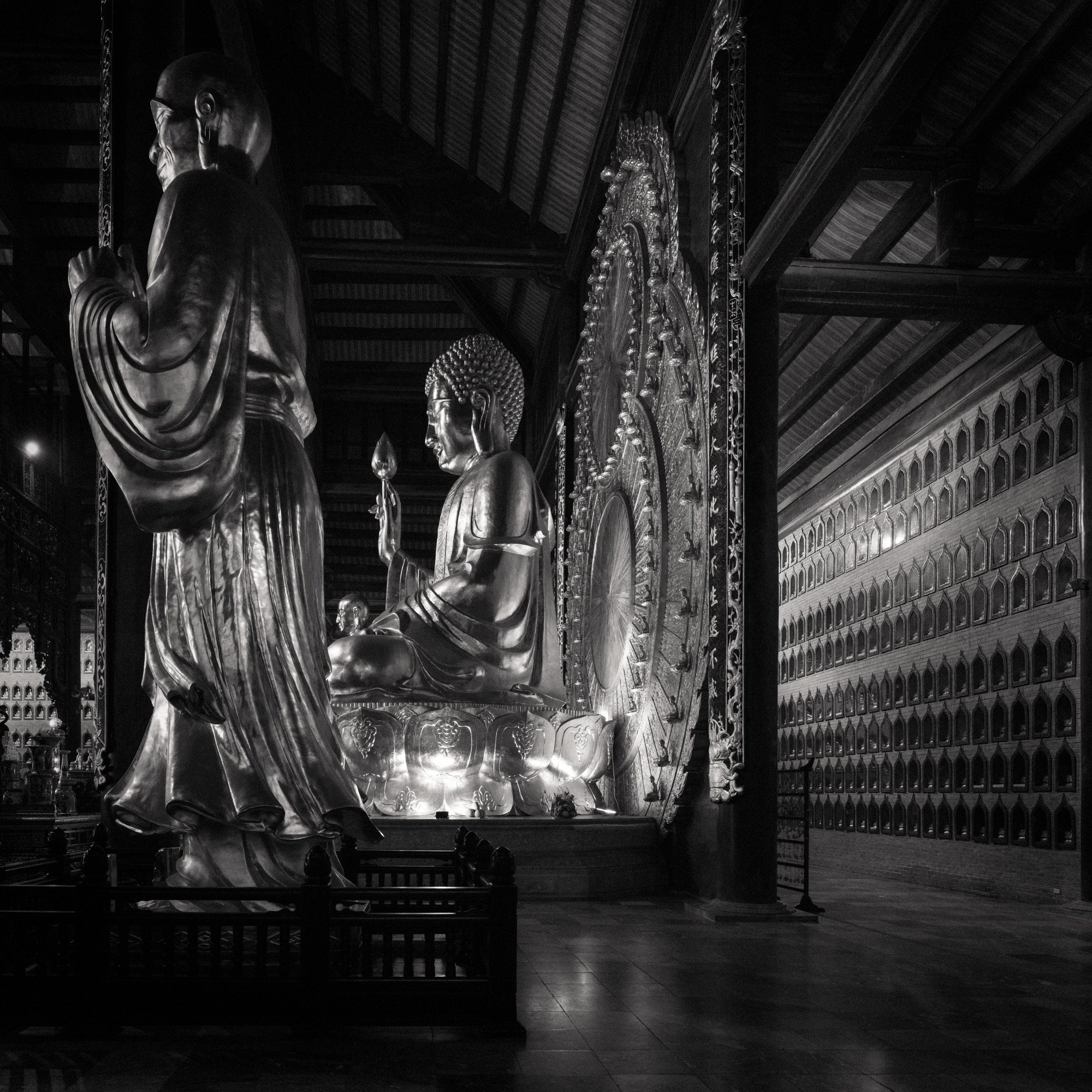
Bai Dinh Pagoda 2
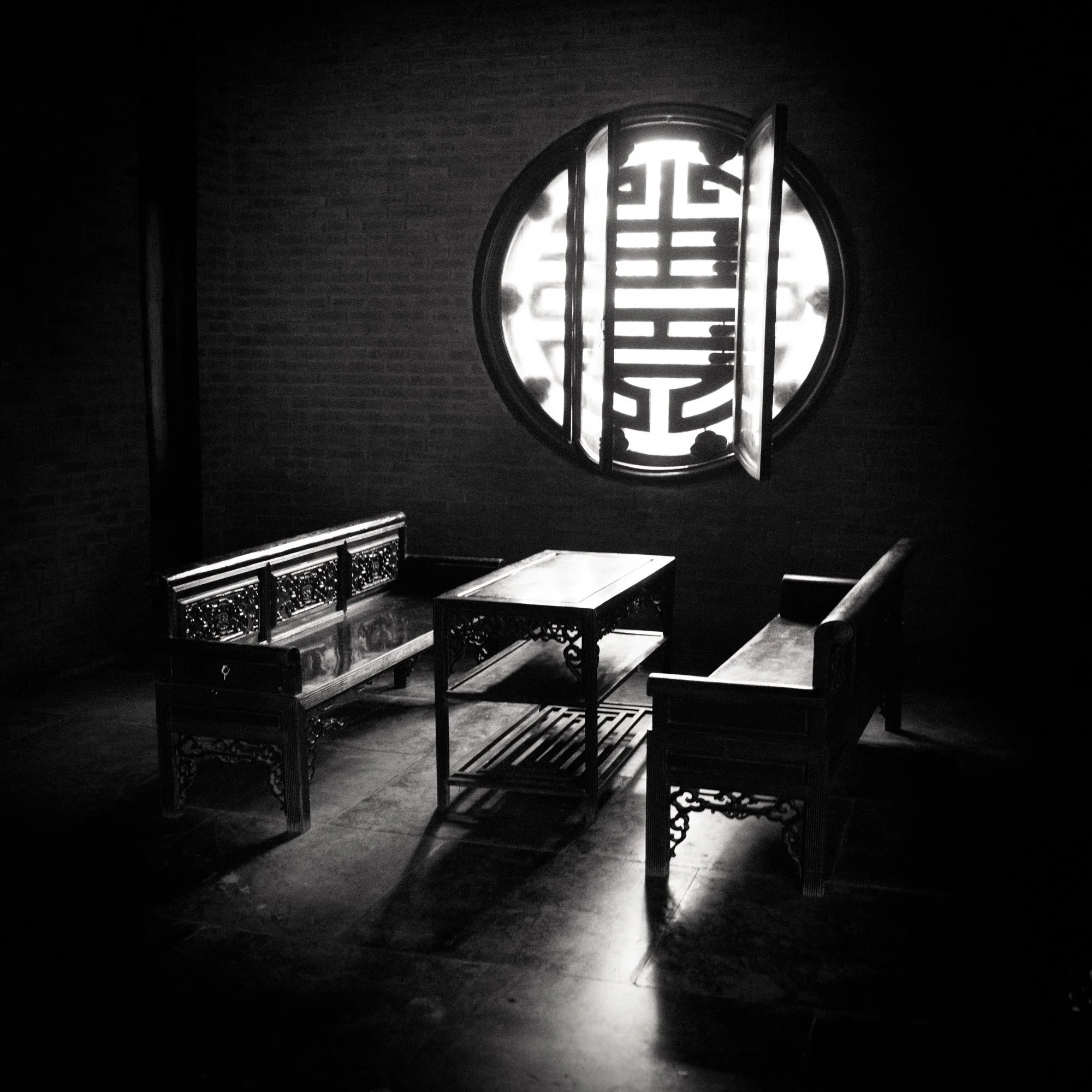
Bai Dinh Pagoda 5
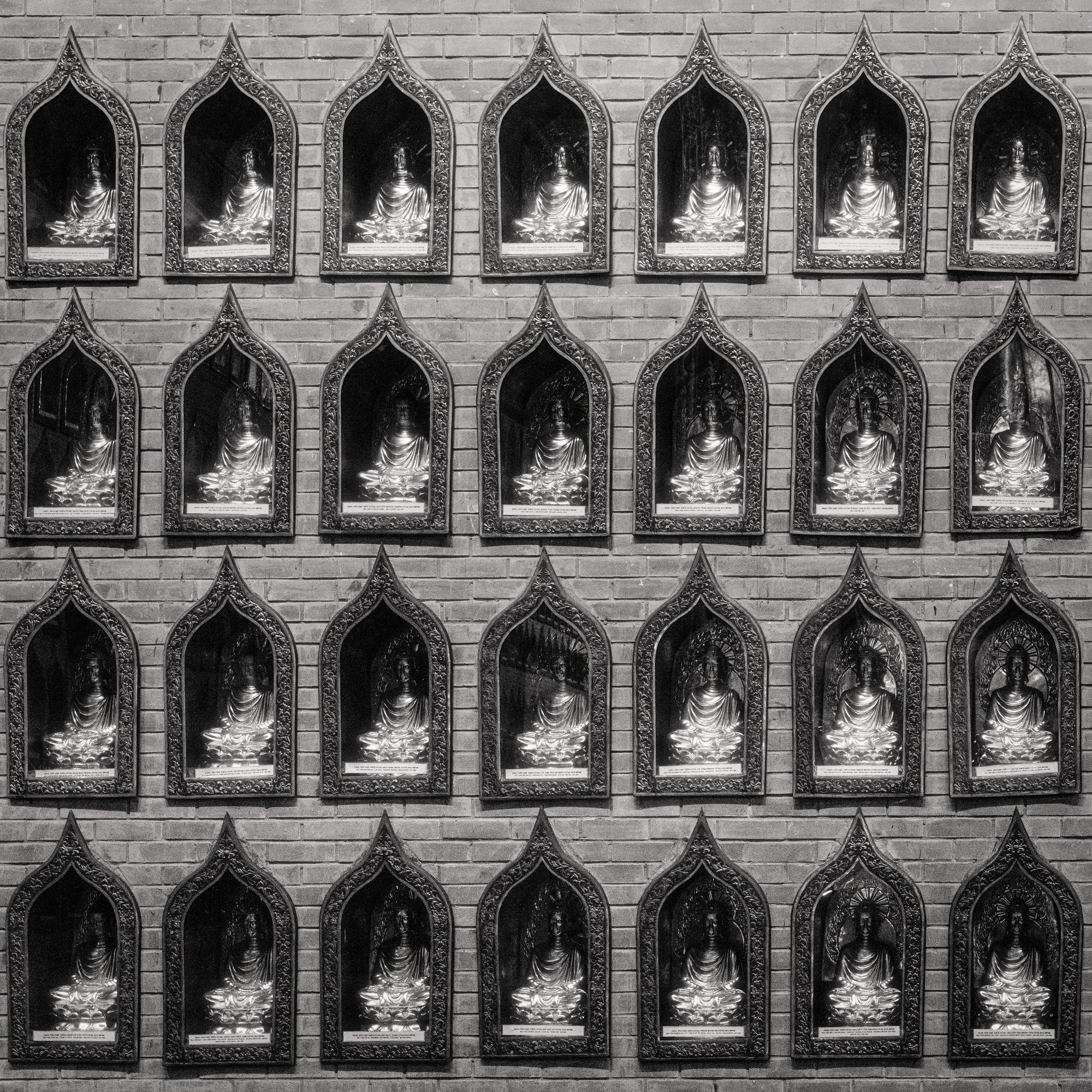
Bai Dinh Pagoda 4
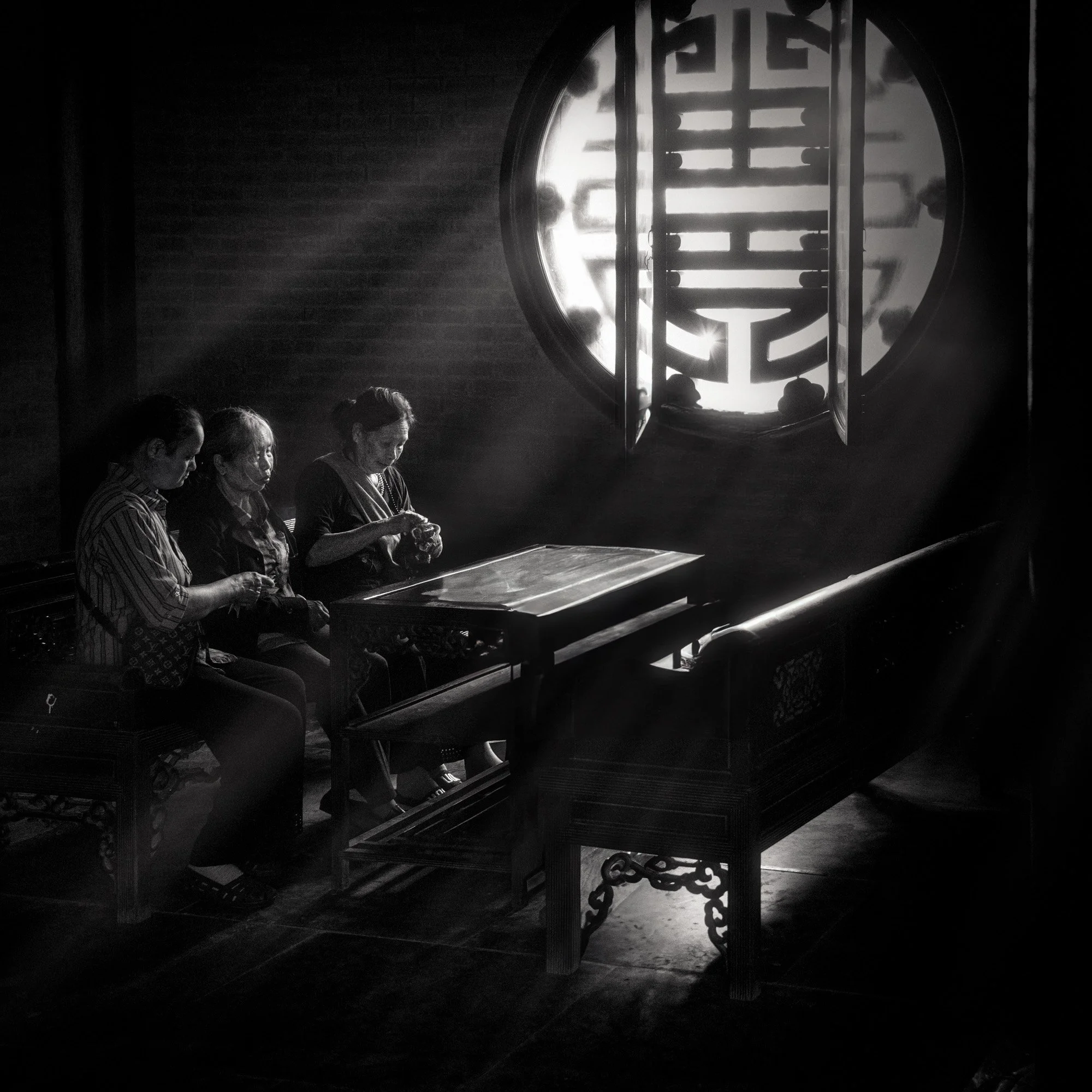
Bai Dinh Pagoda 6
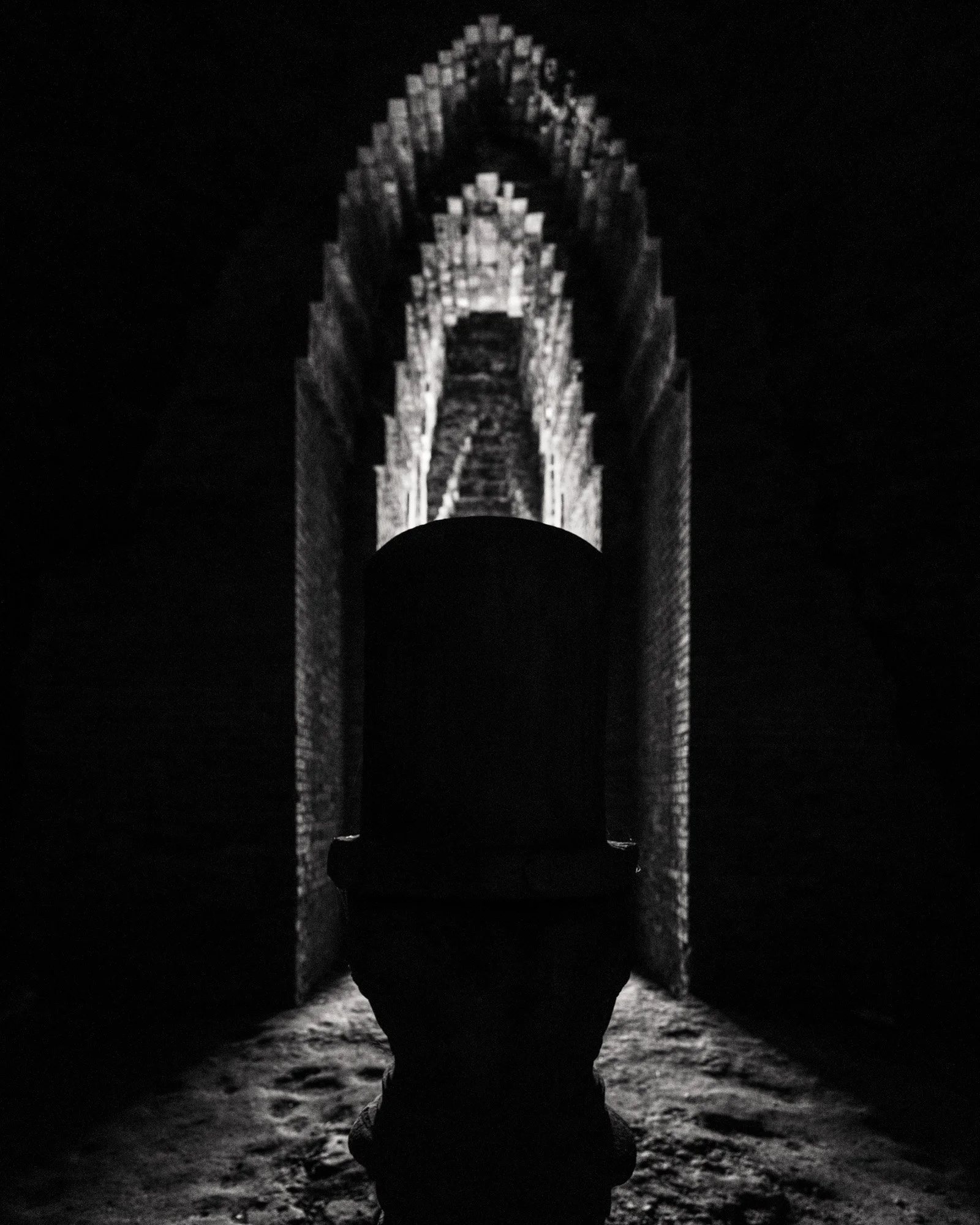
Bang An Cham Tower 2
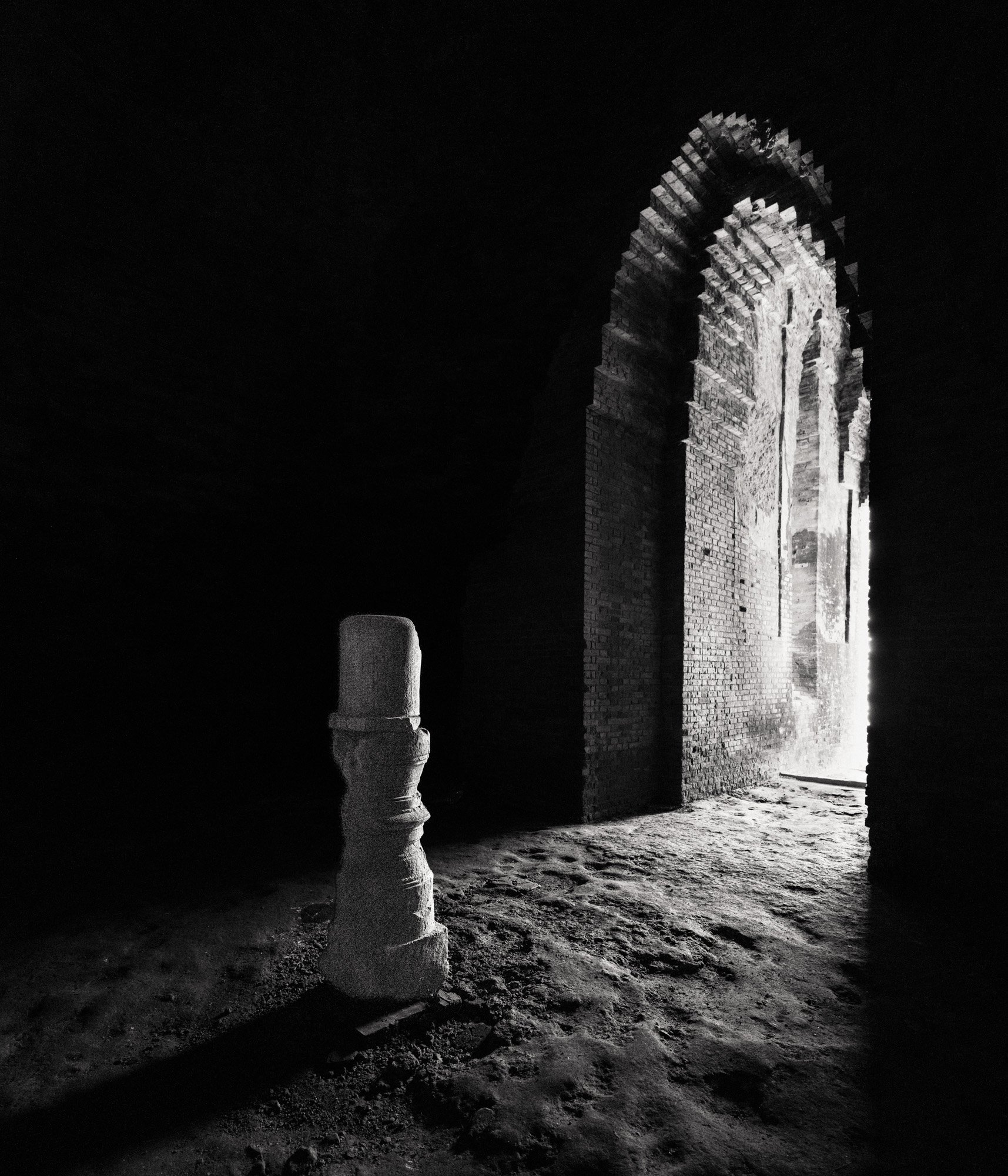
Bang An Cham Tower 1
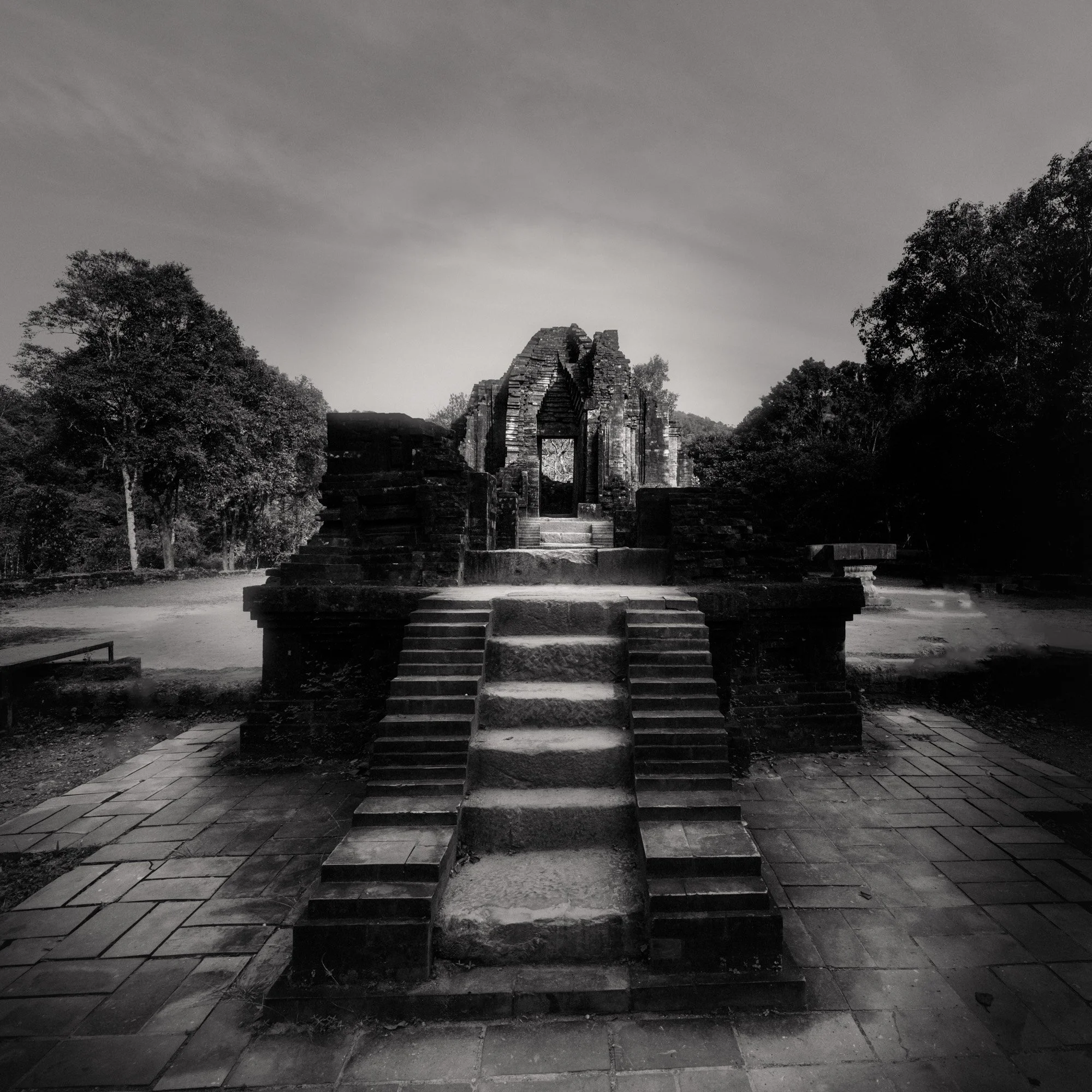
My Son Sanctuary 3
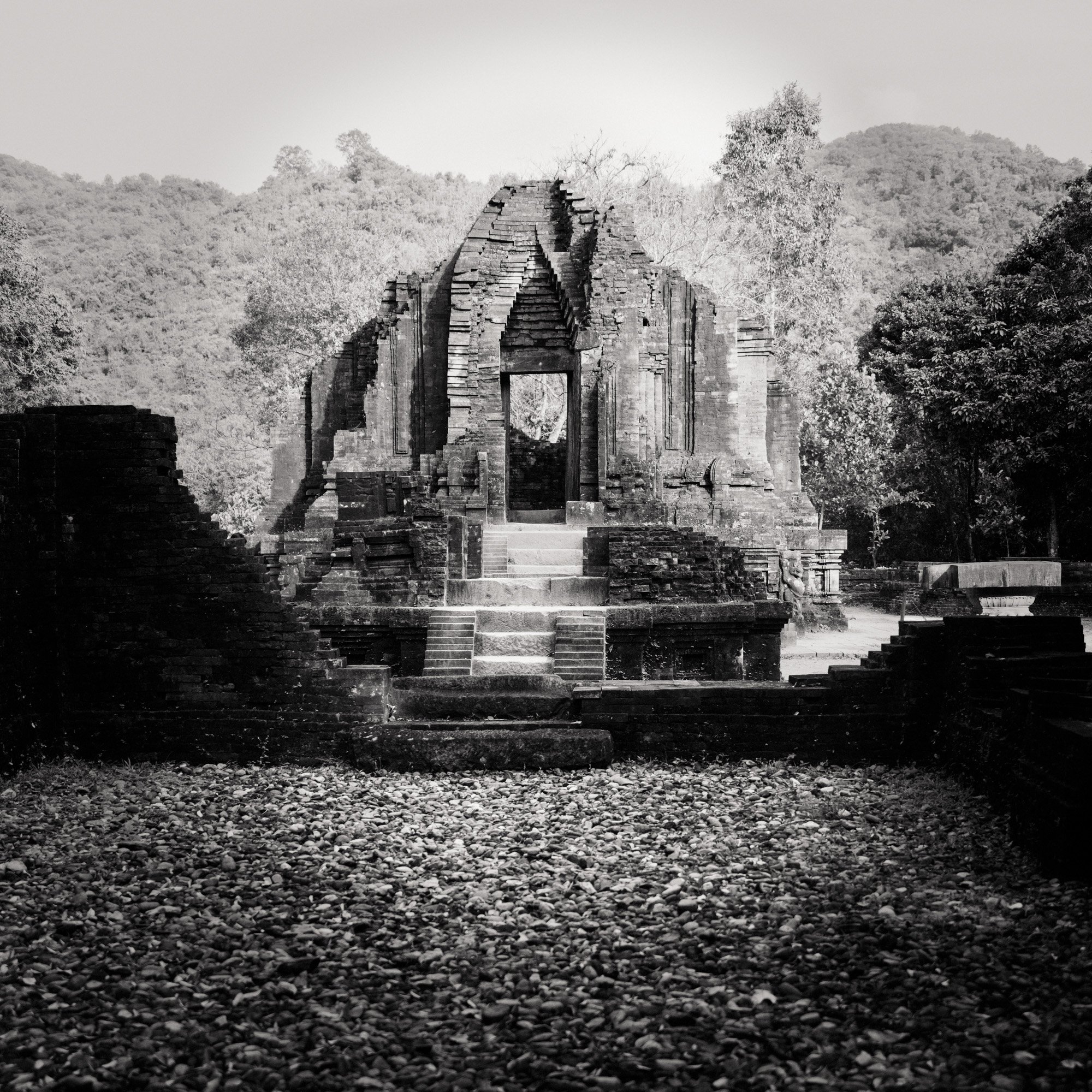
My Son Sanctuary 15
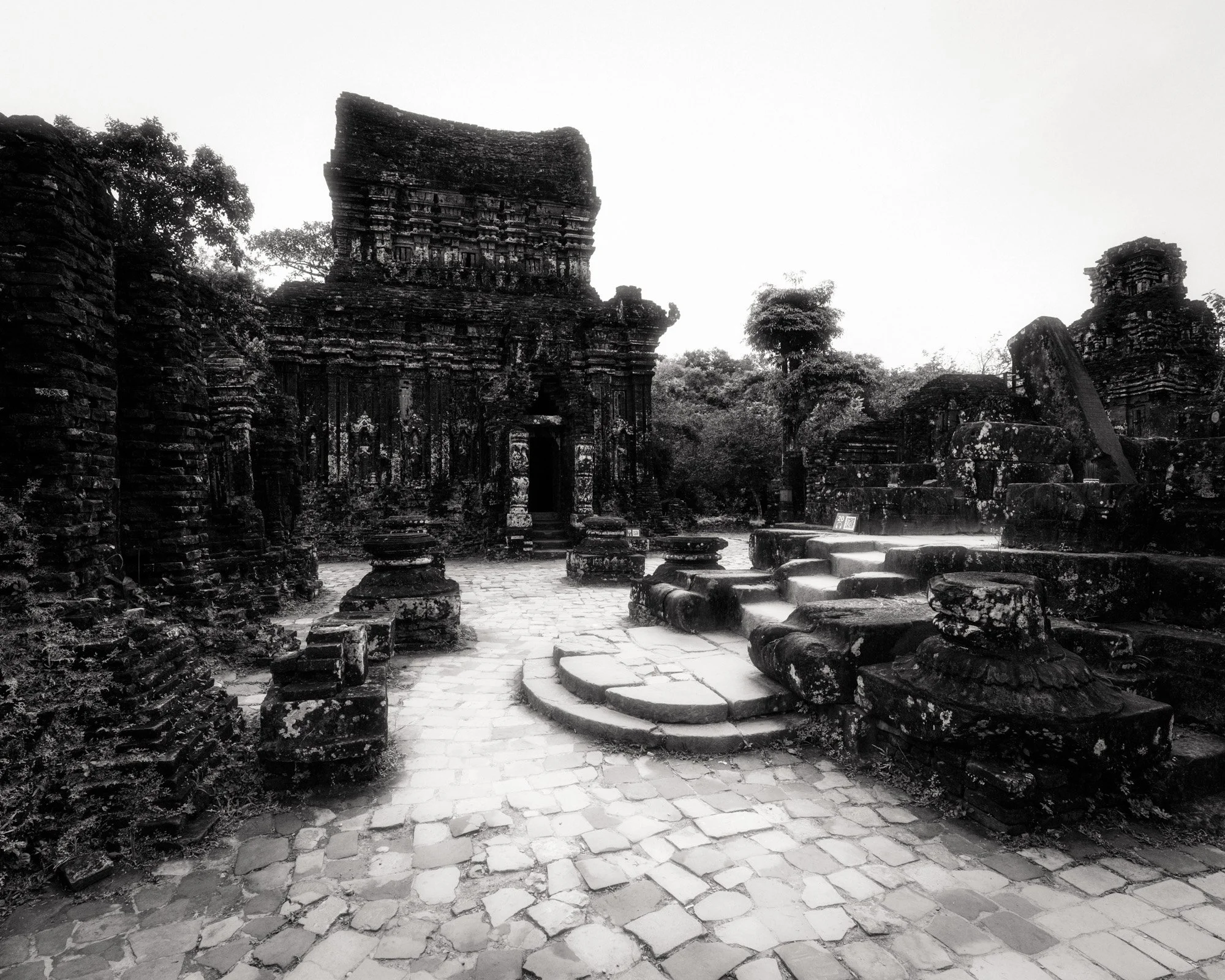
My Son Sanctuary 11
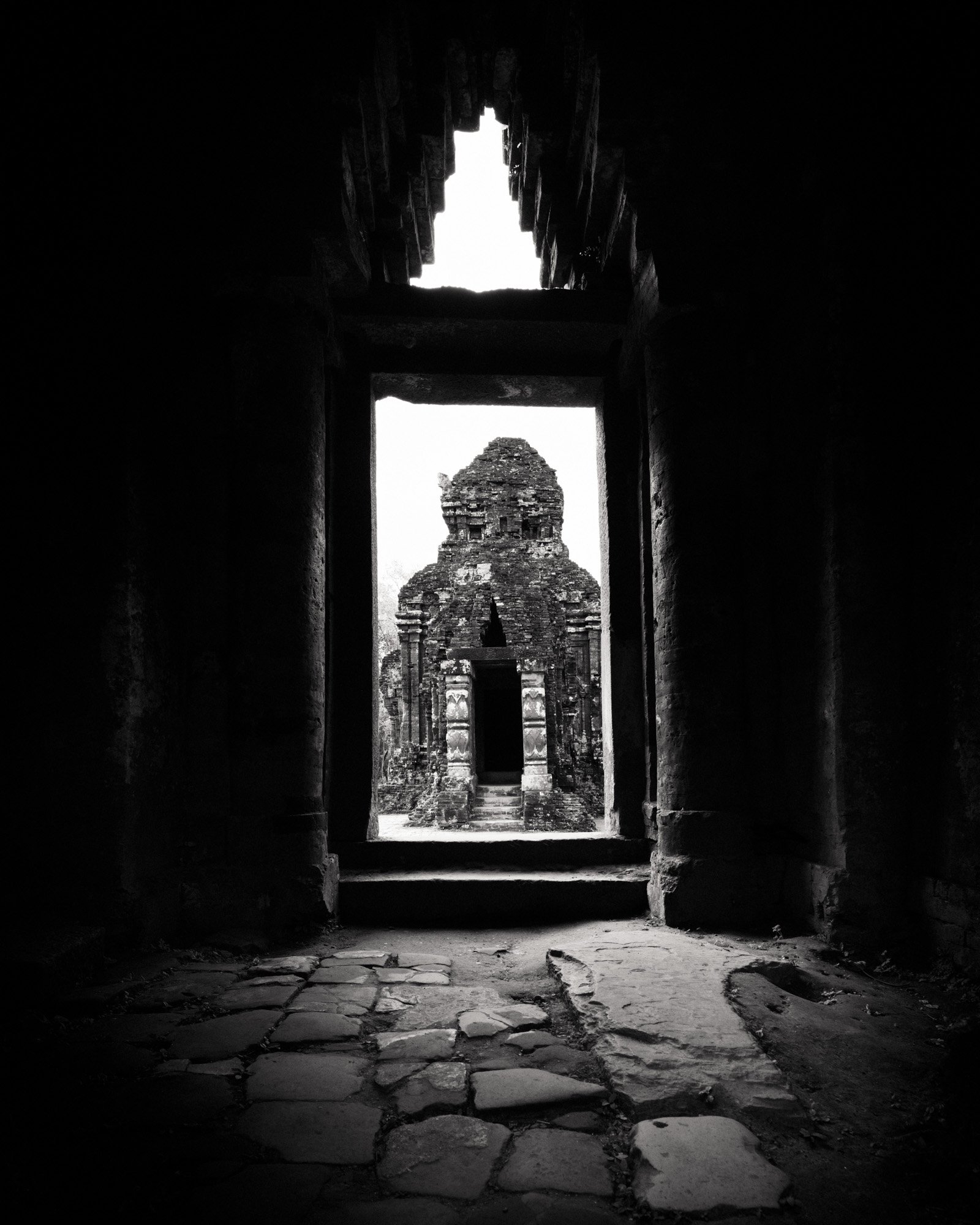
My Son Sanctuary 23
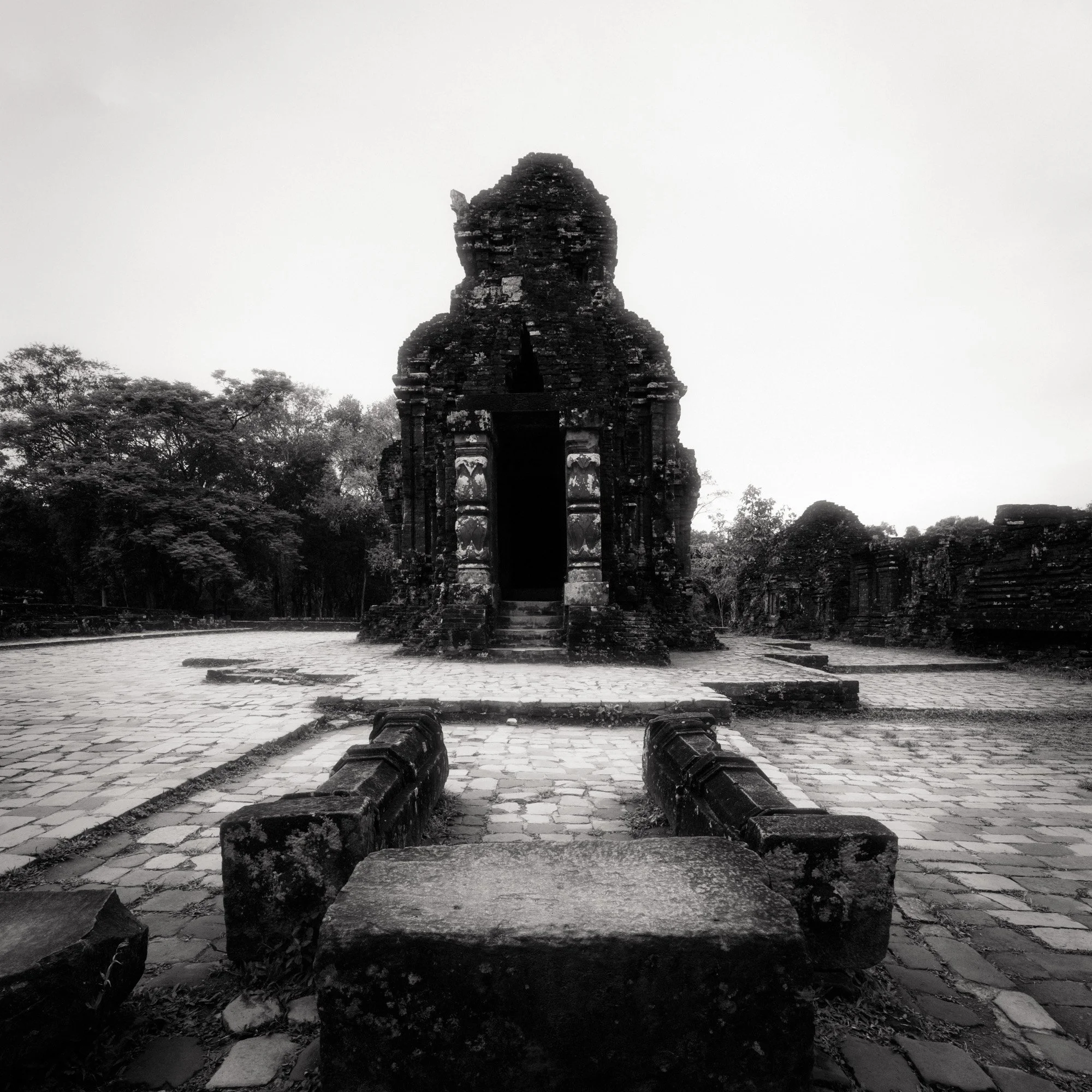
My Son Sanctuary 13
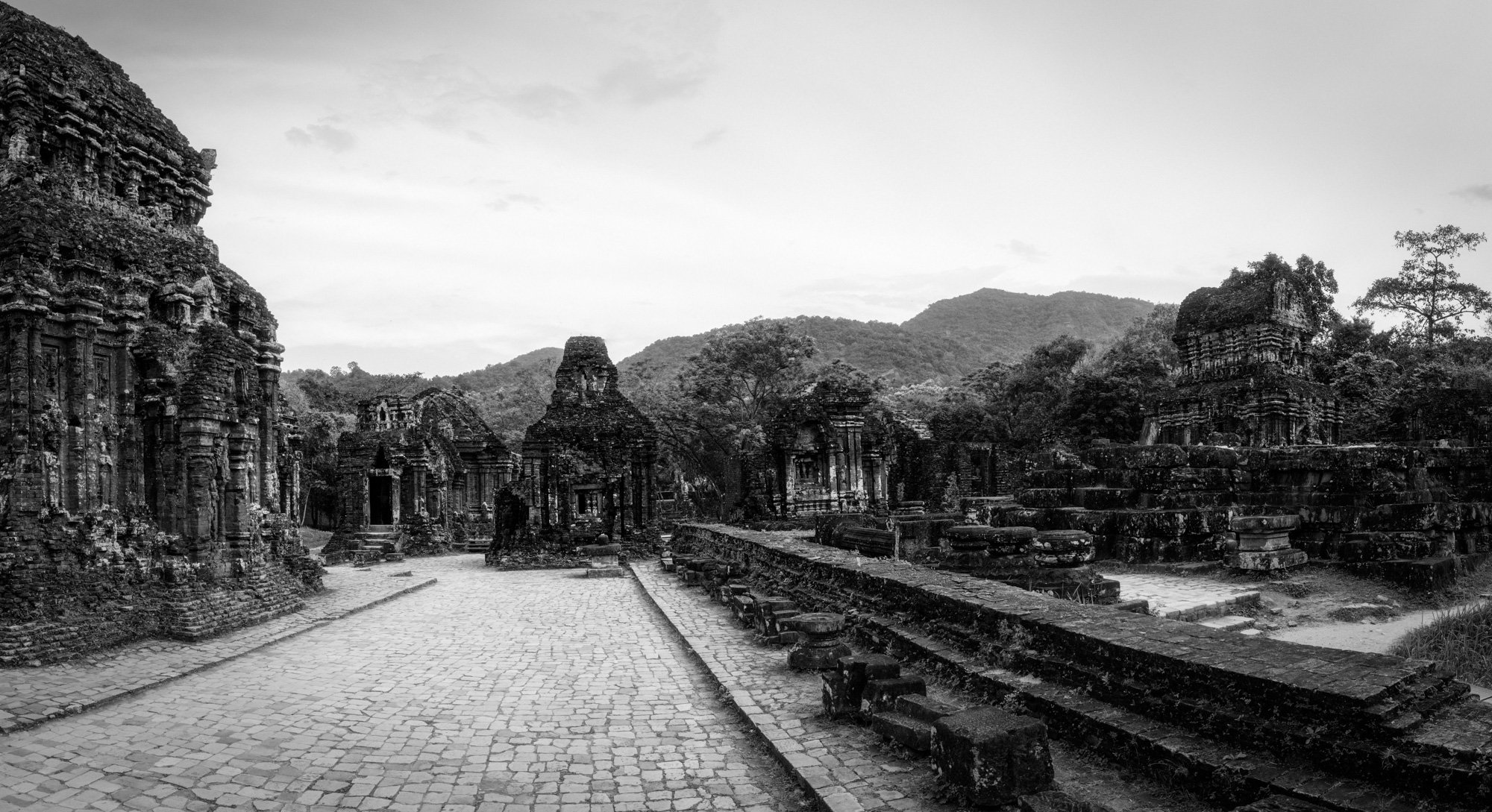
My Son Sanctuary 21
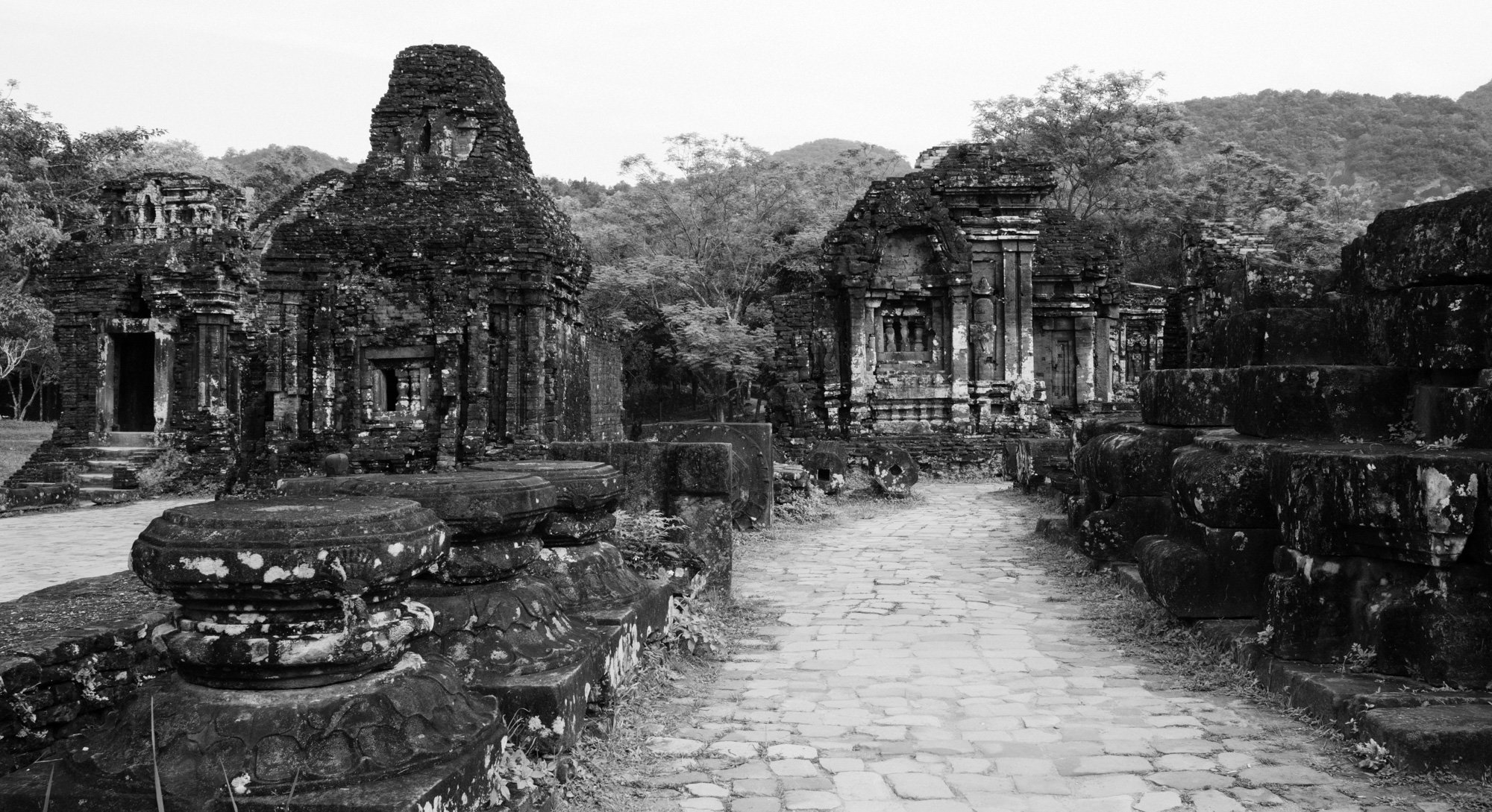
My Son Sanctuary 1
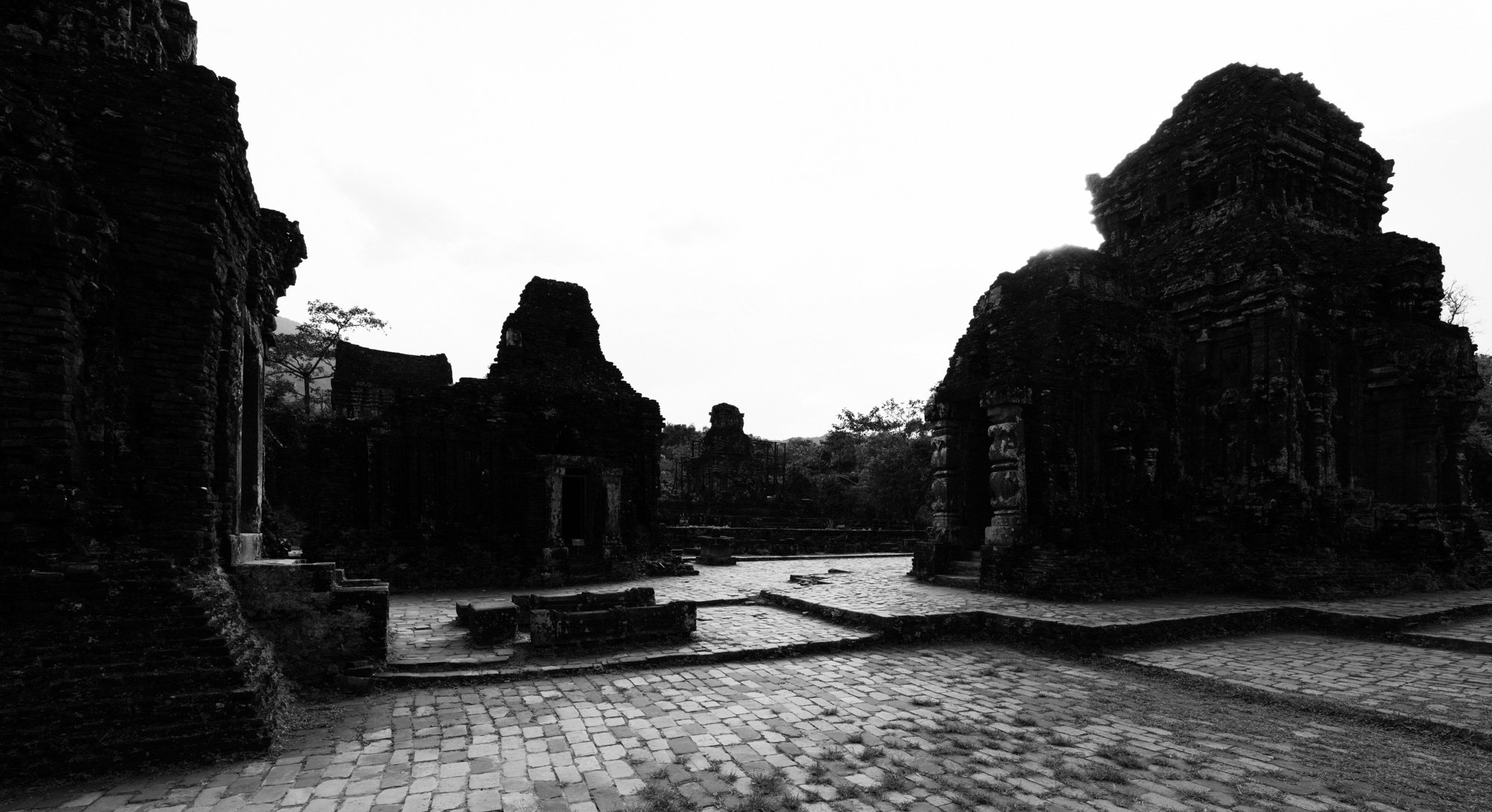
My Son Sanctuary 26
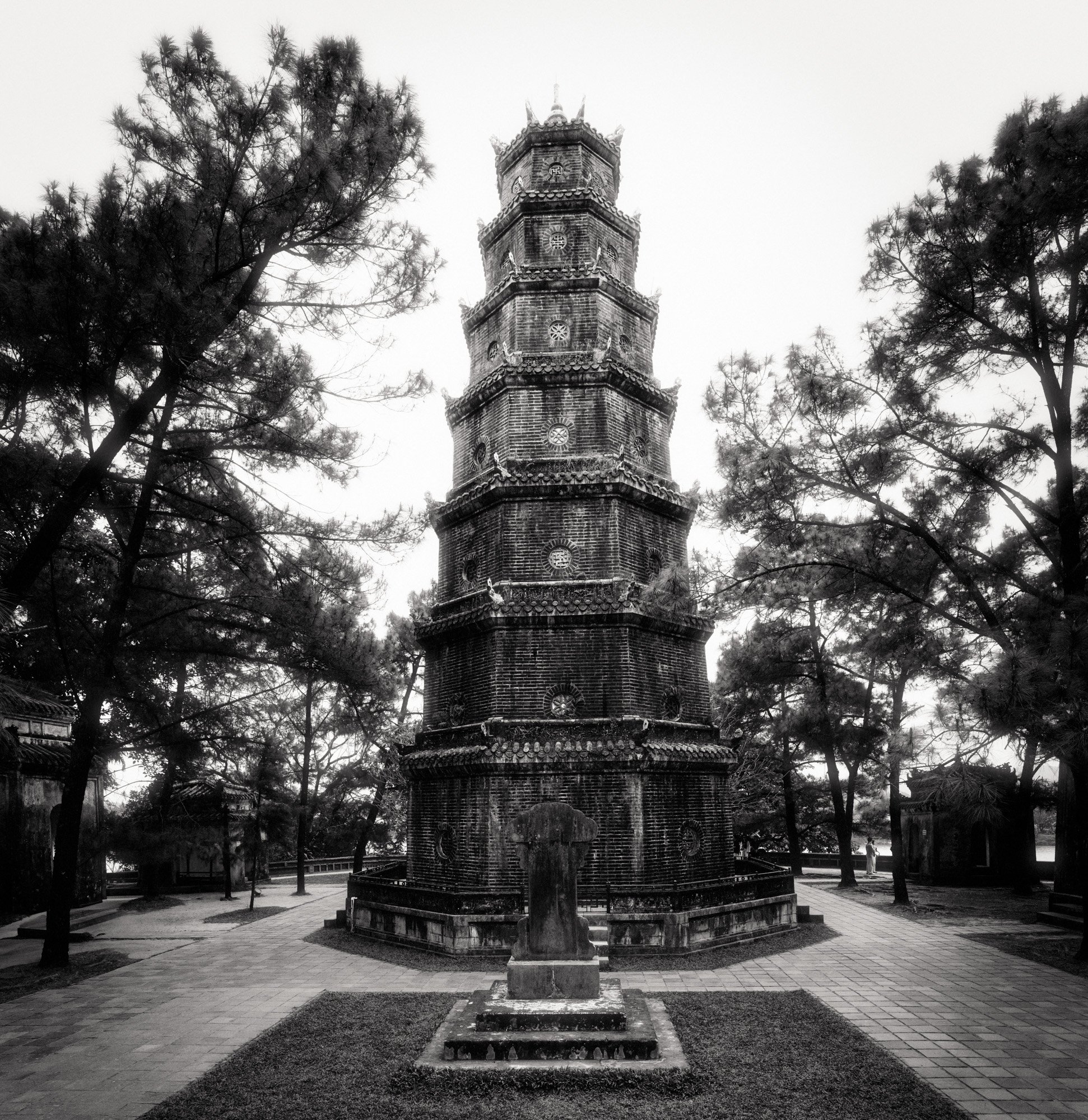
Thien Mu Pagoda 1
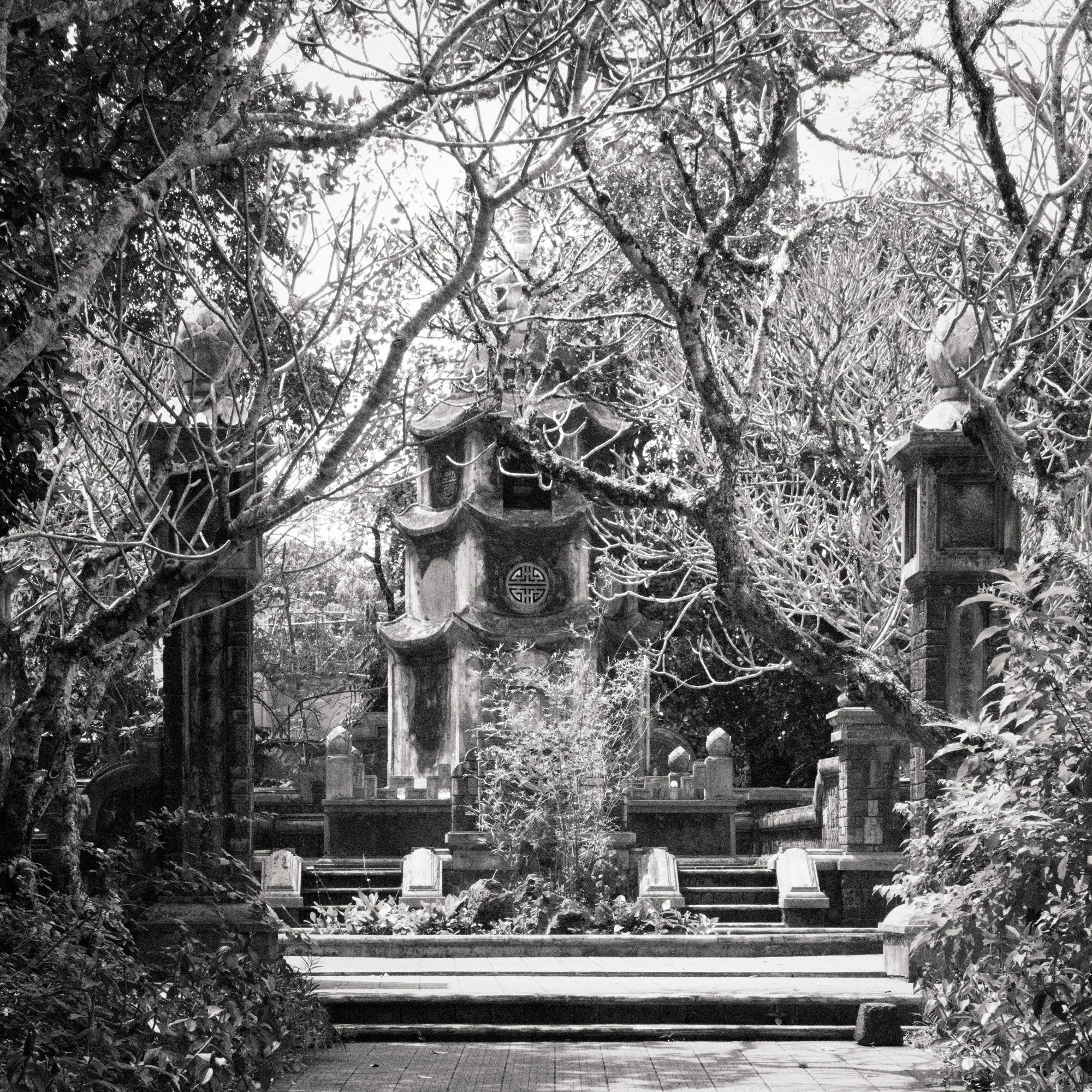
Bao Quoc Pagoda 1
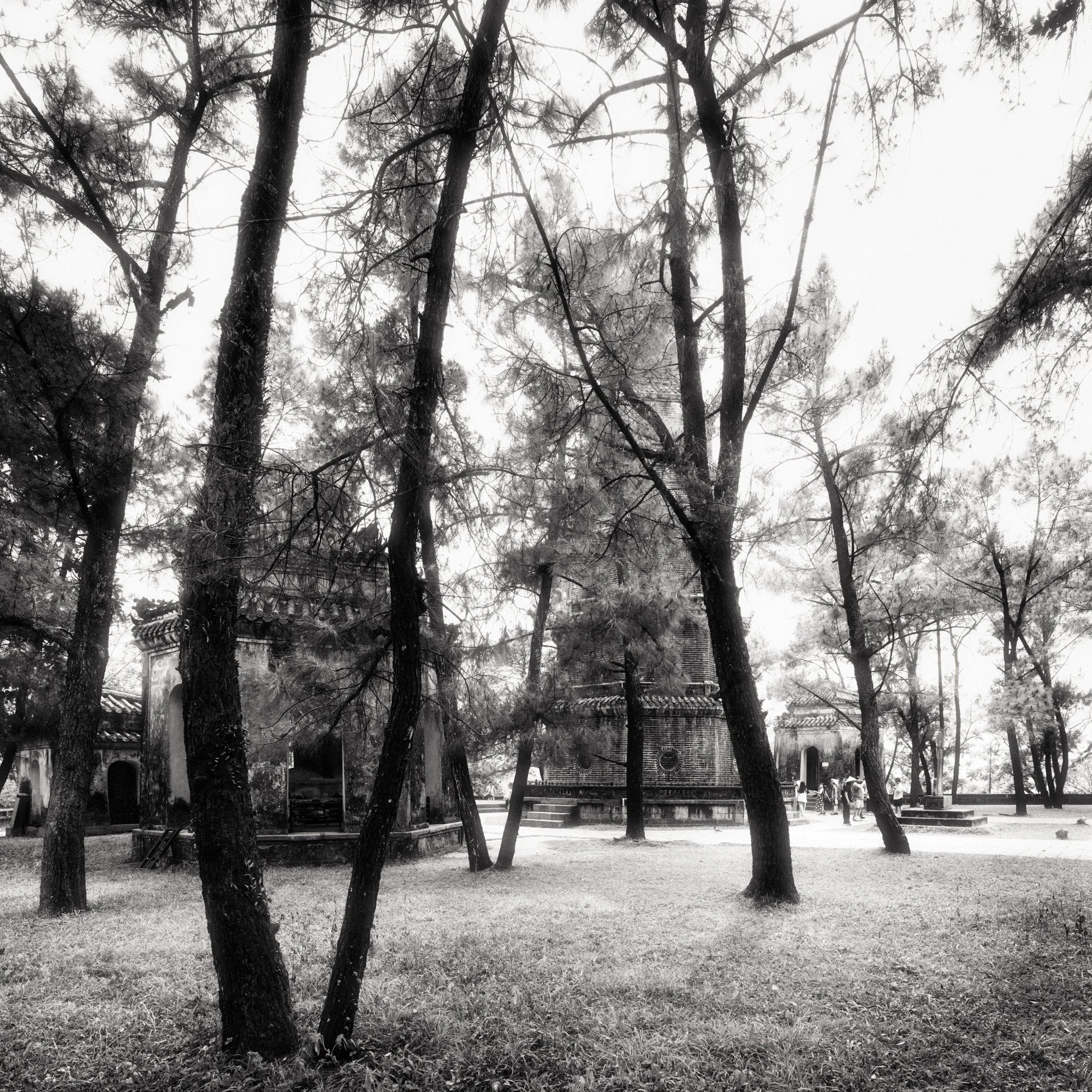
Thein Mu Pagoda 2
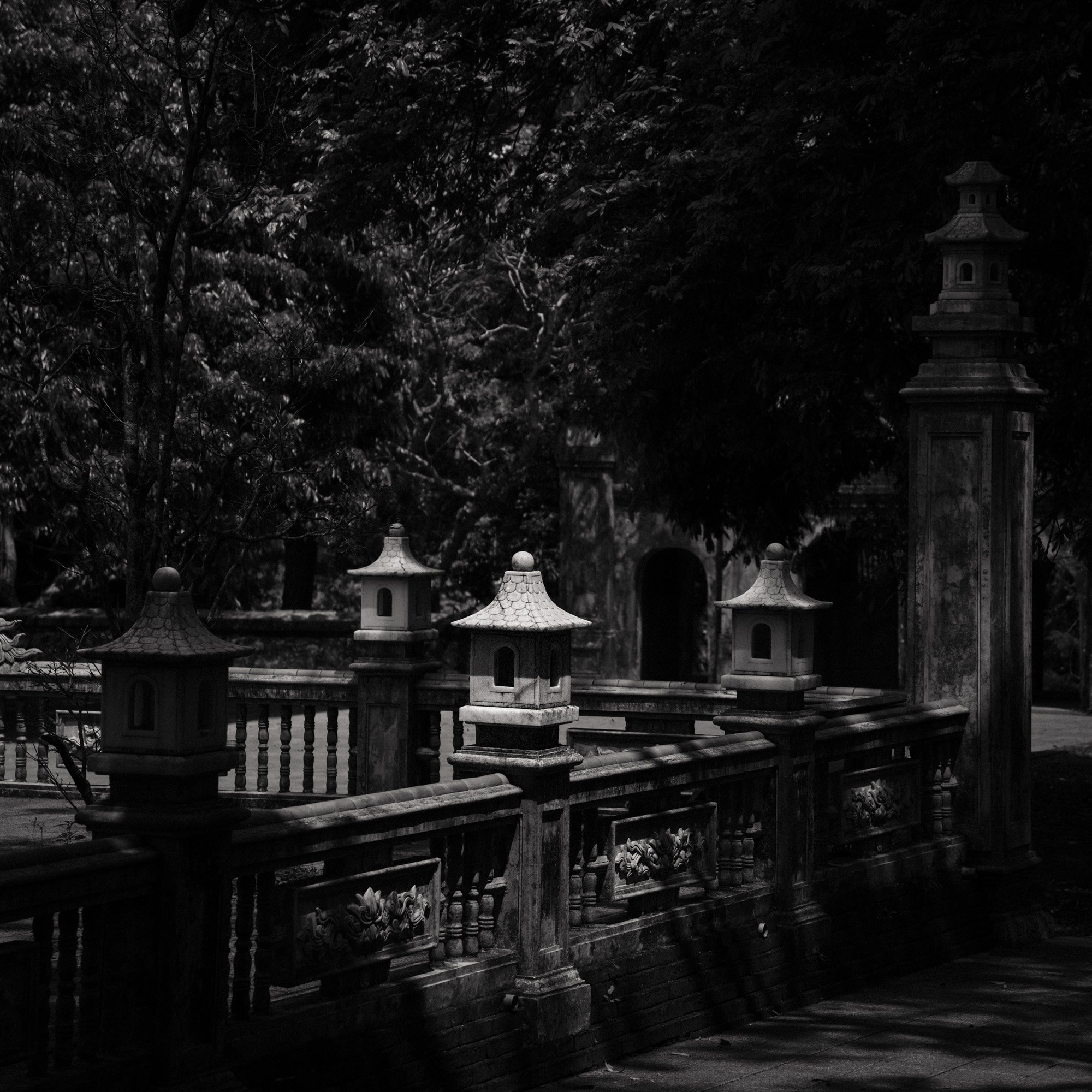
Bao Quoc Pagoda 2
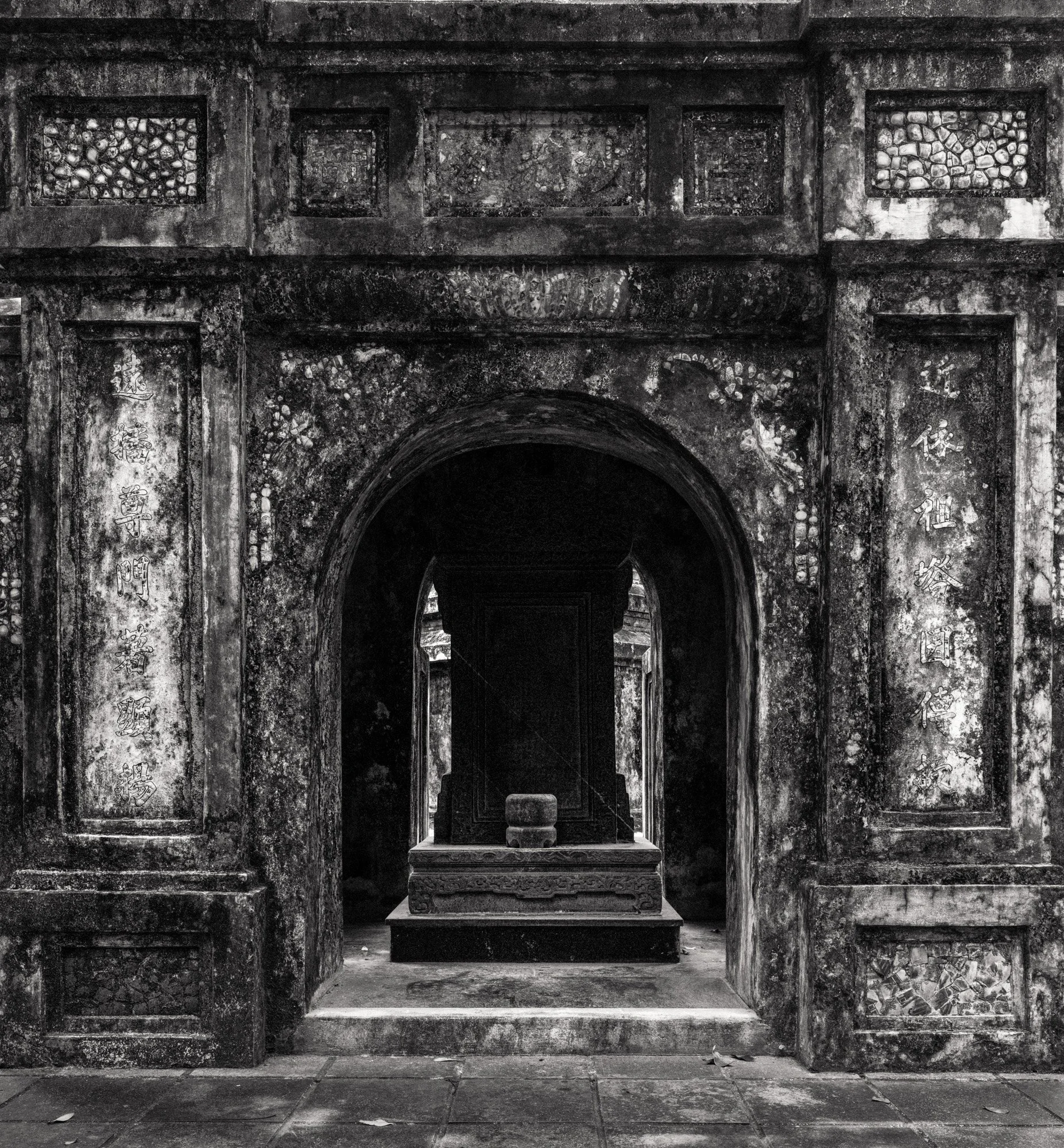
Tu Hieu Pagoda 3
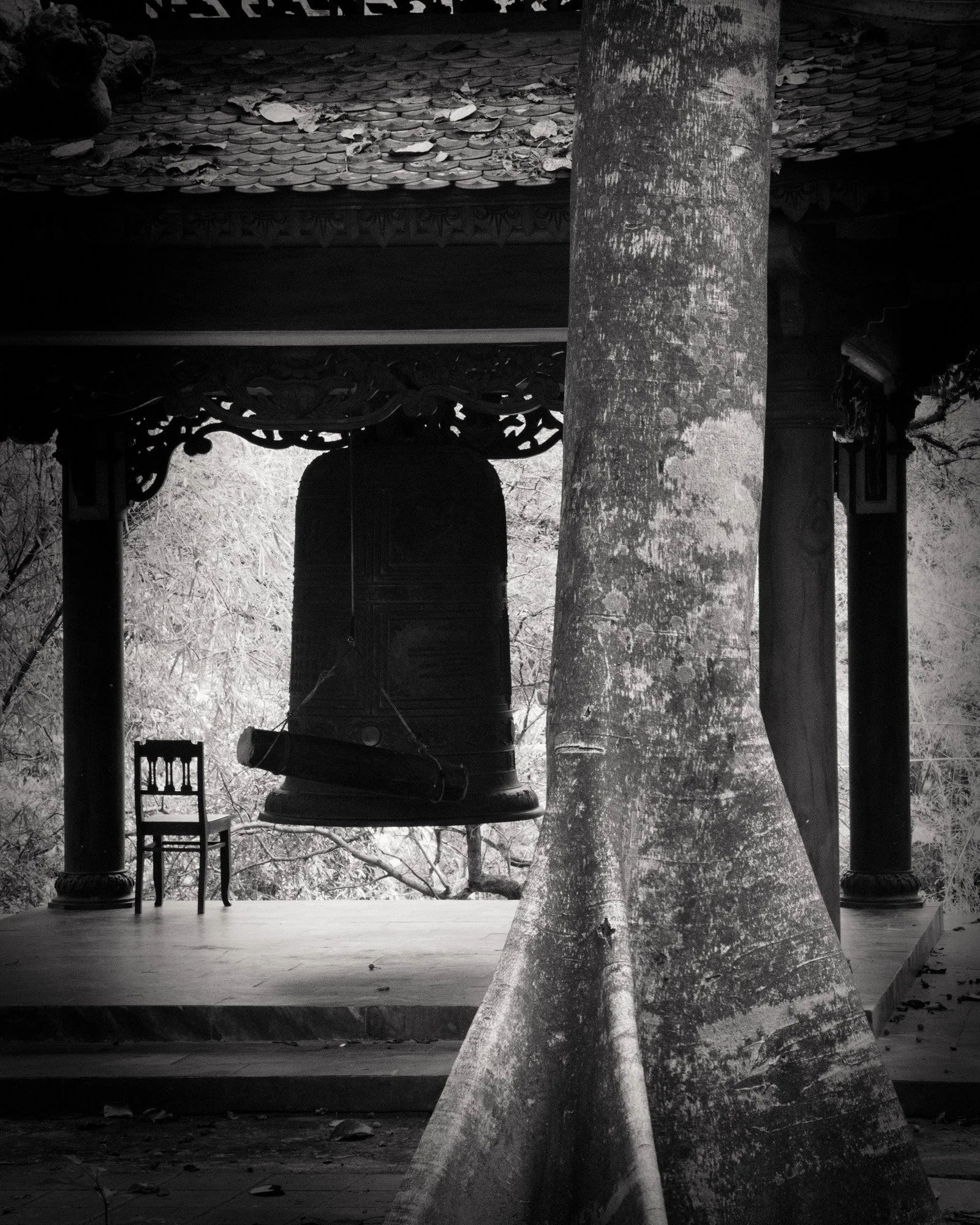
Tu Hieu Pagoda 4
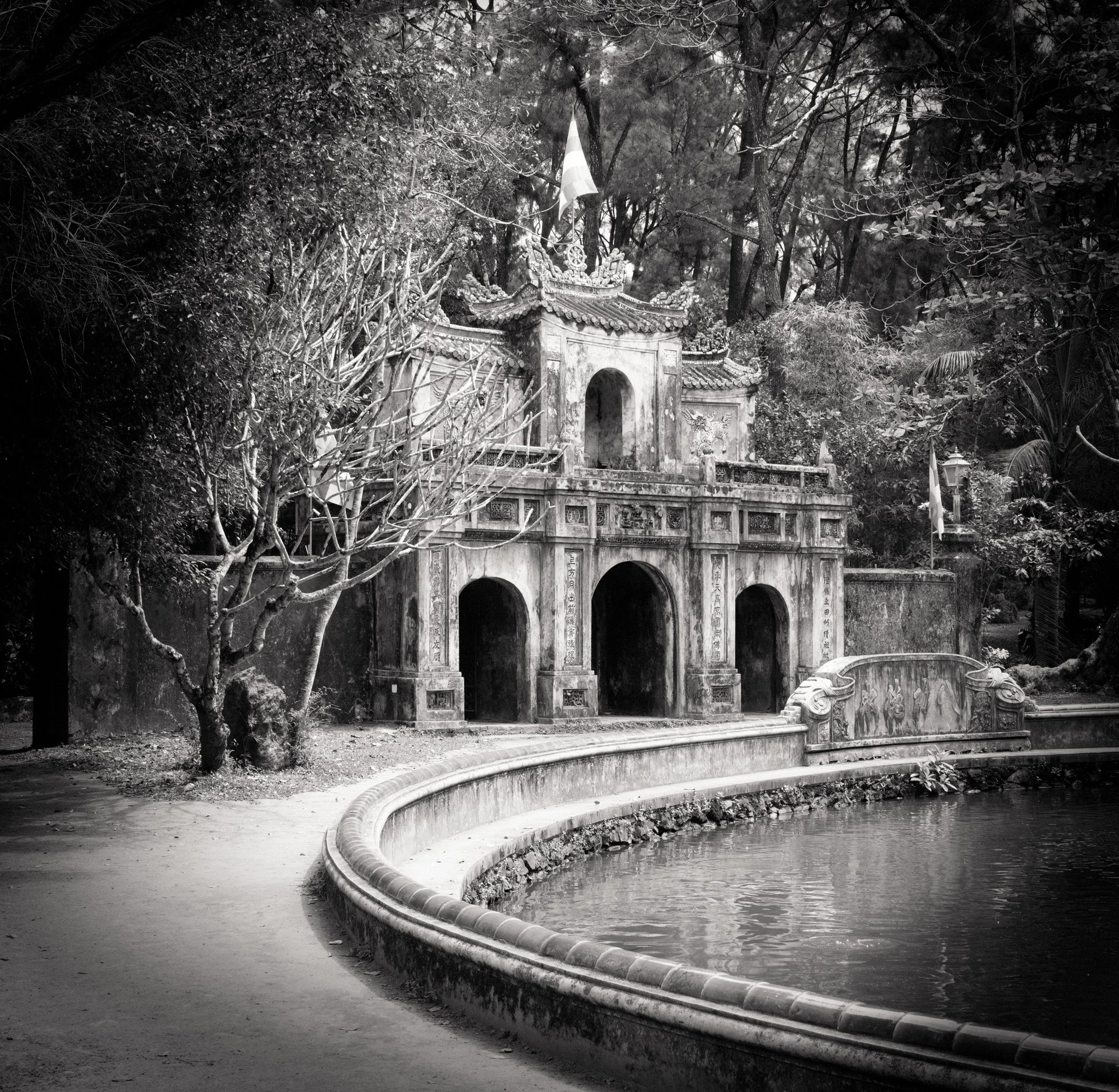
Tu Hieu Pagoda 2
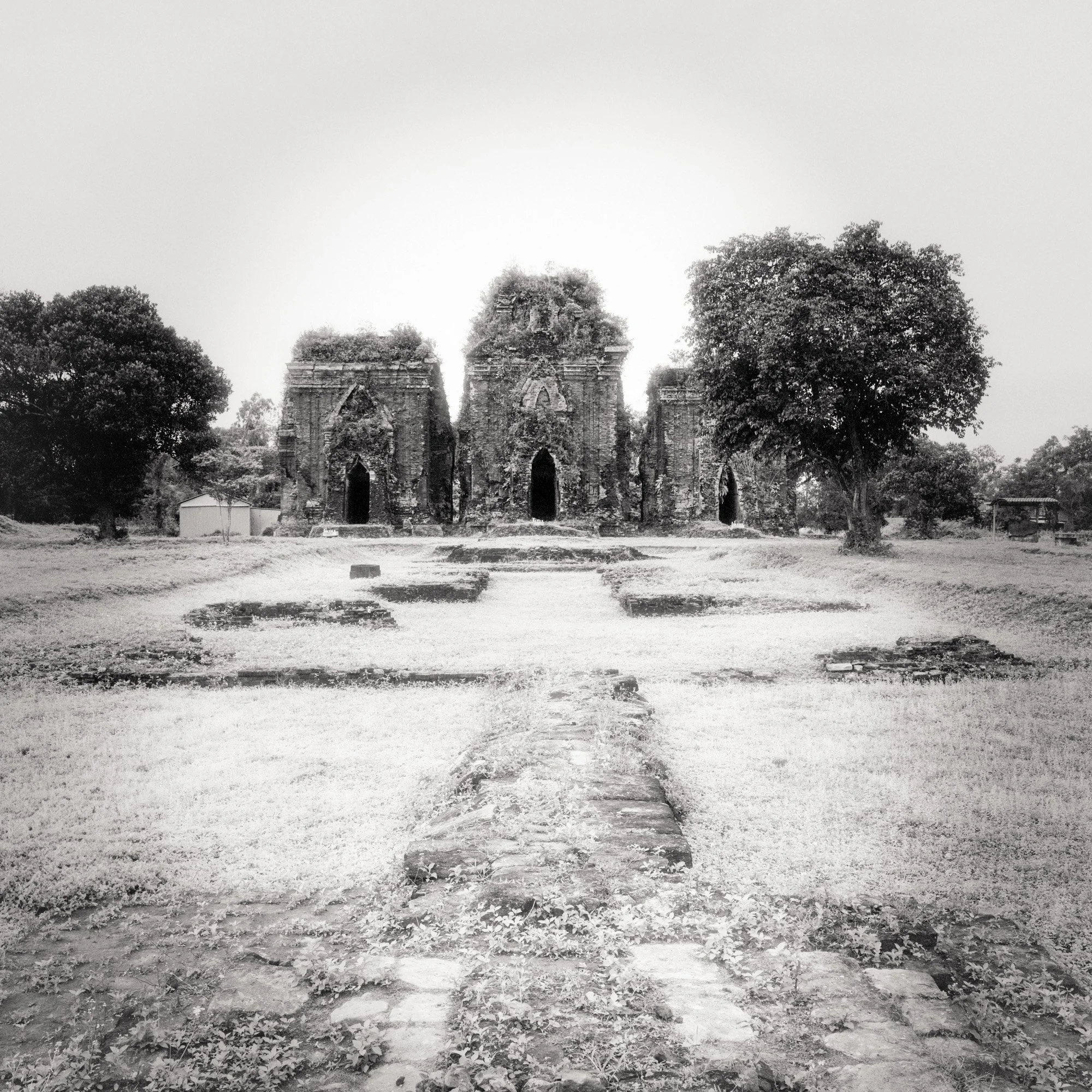
Chien Dan Cham Towers 3
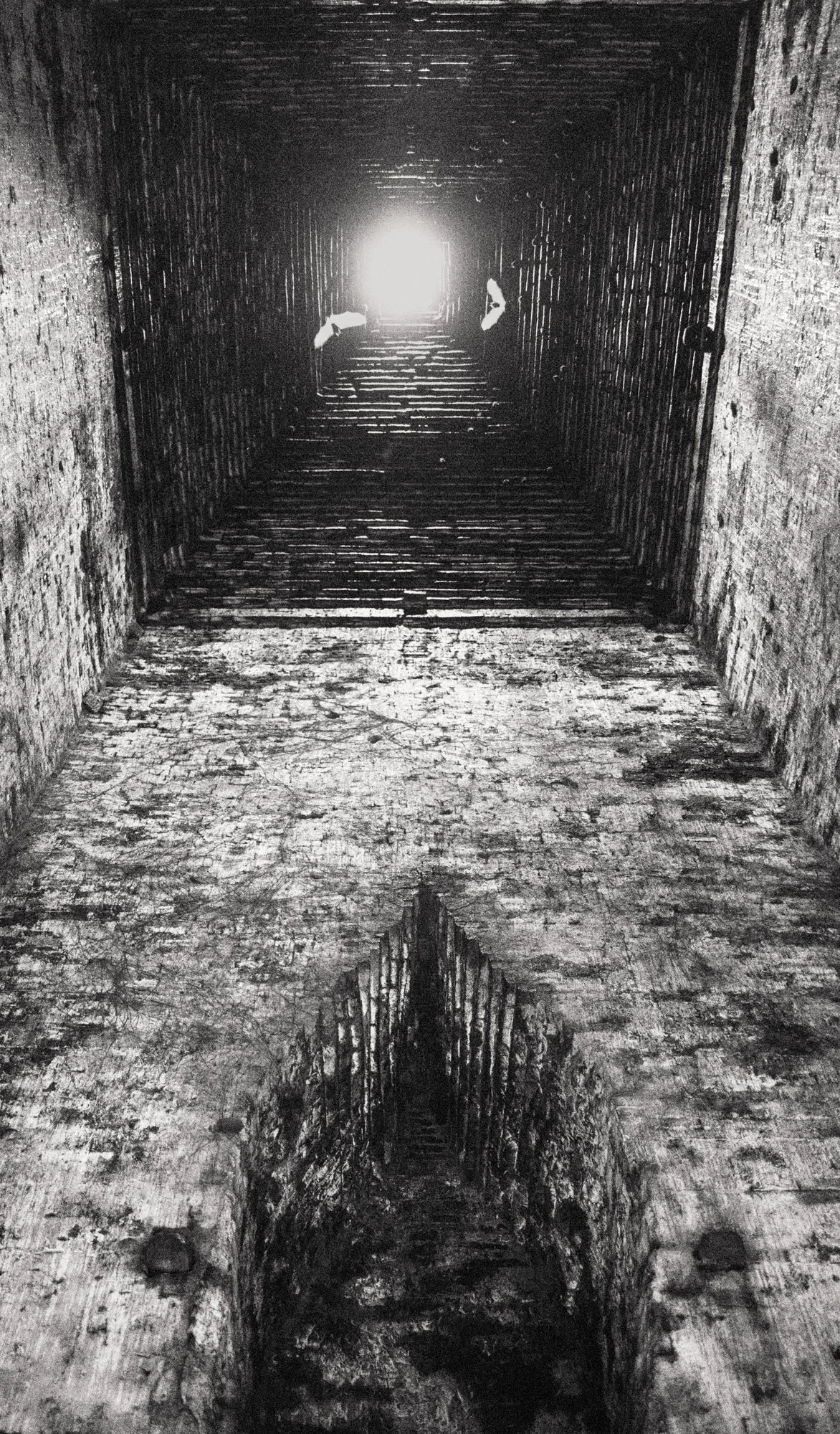
Chien Dan Cham Towers 2
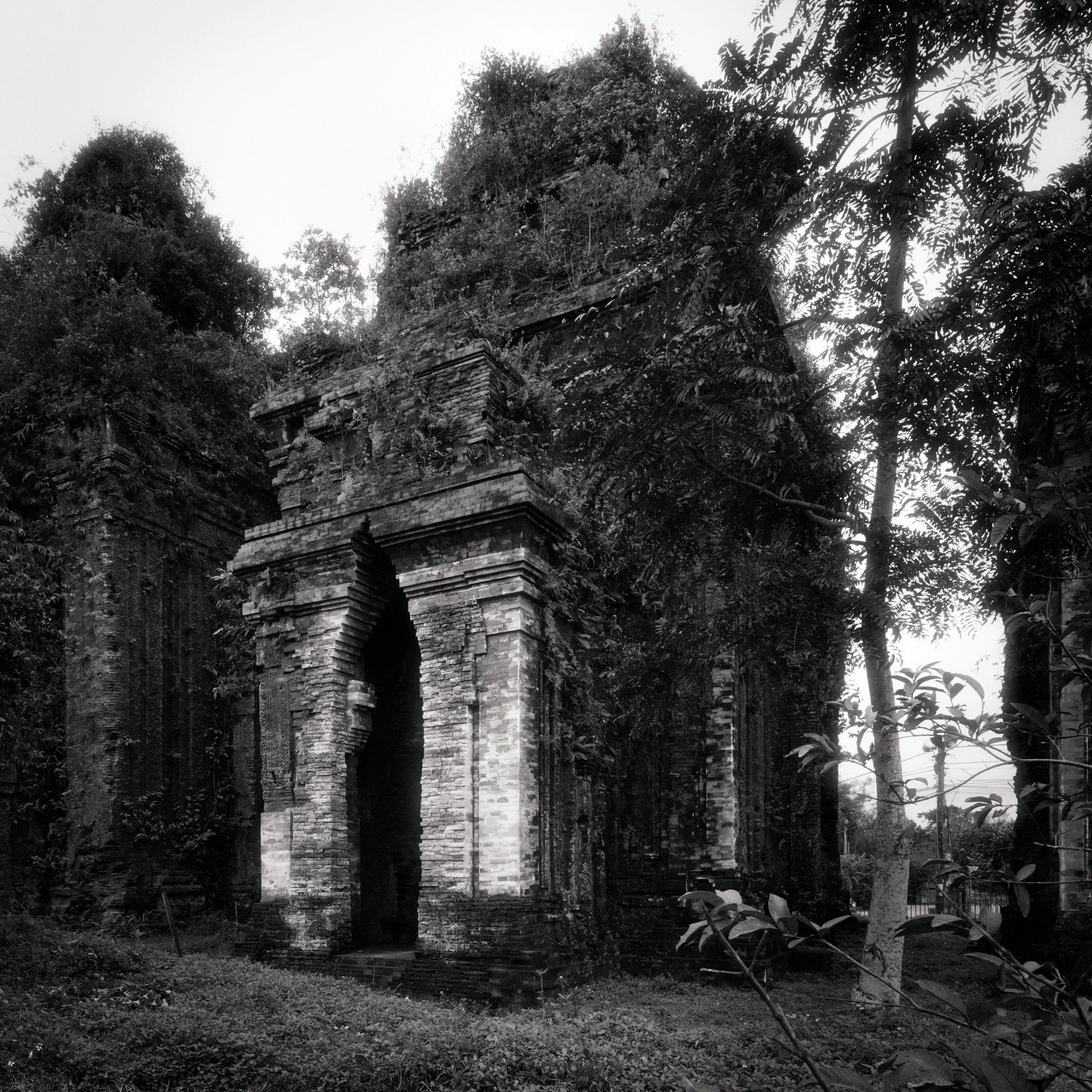
Khuong My Towers 2
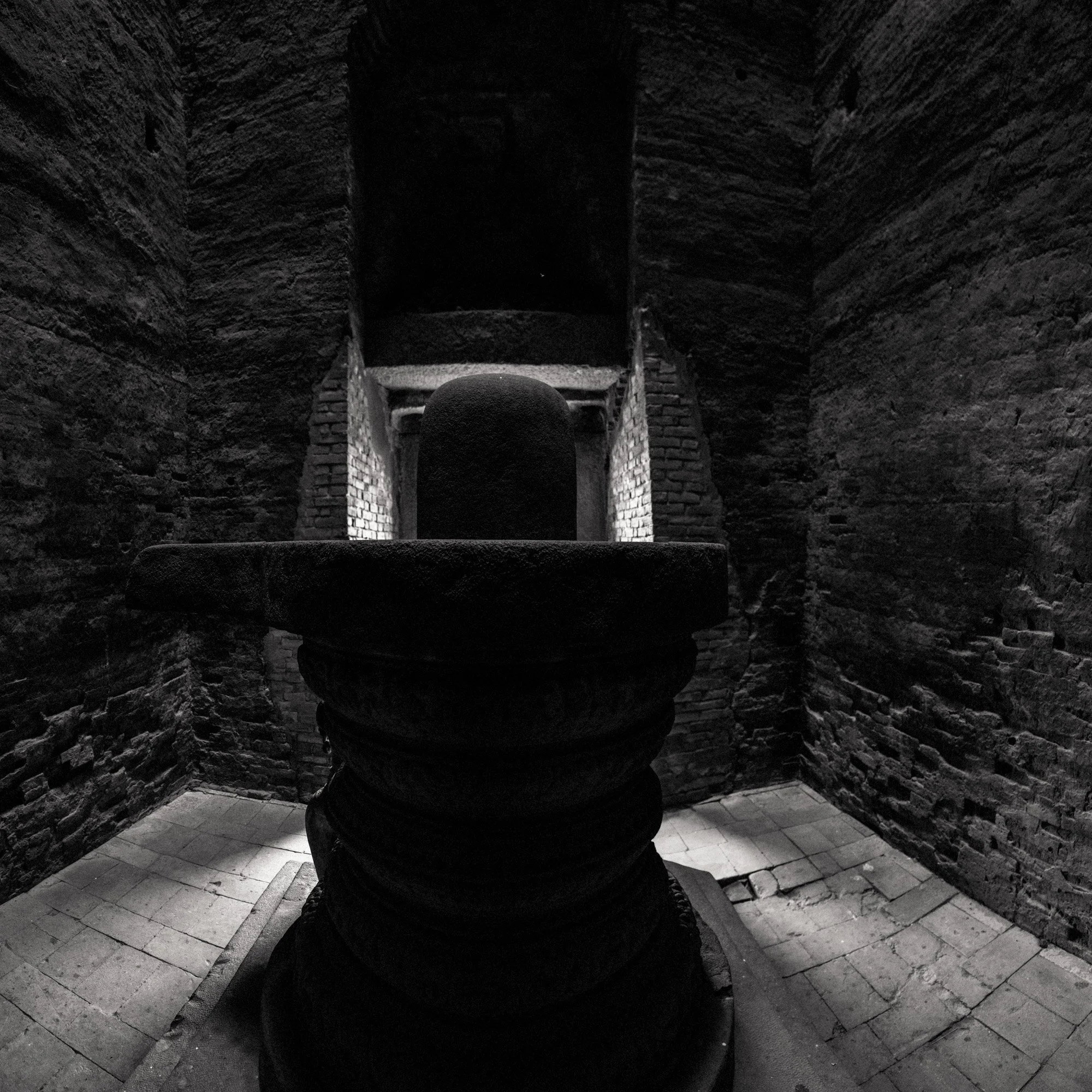
Thap Doi 4
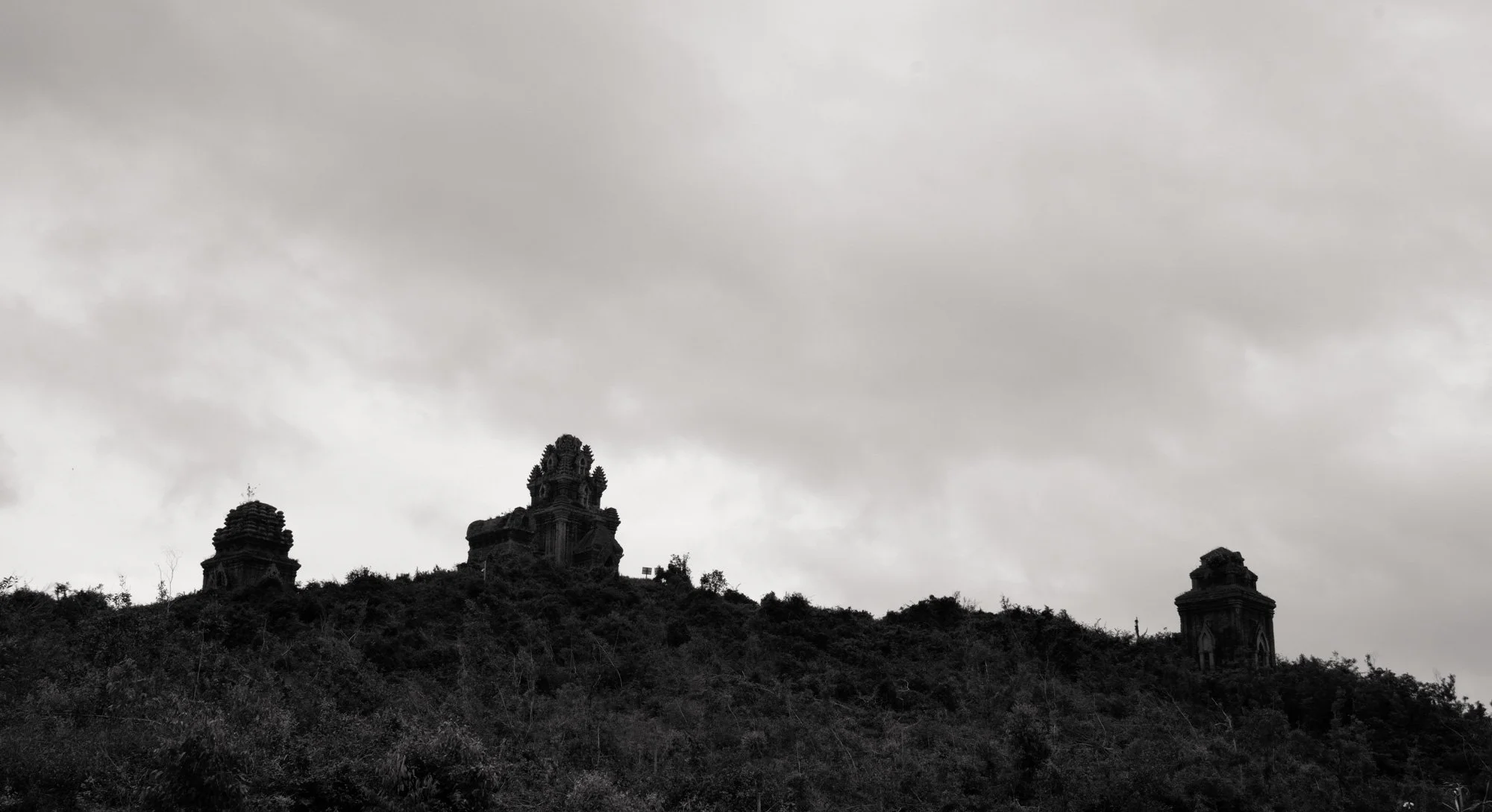
Thap Banh It 1
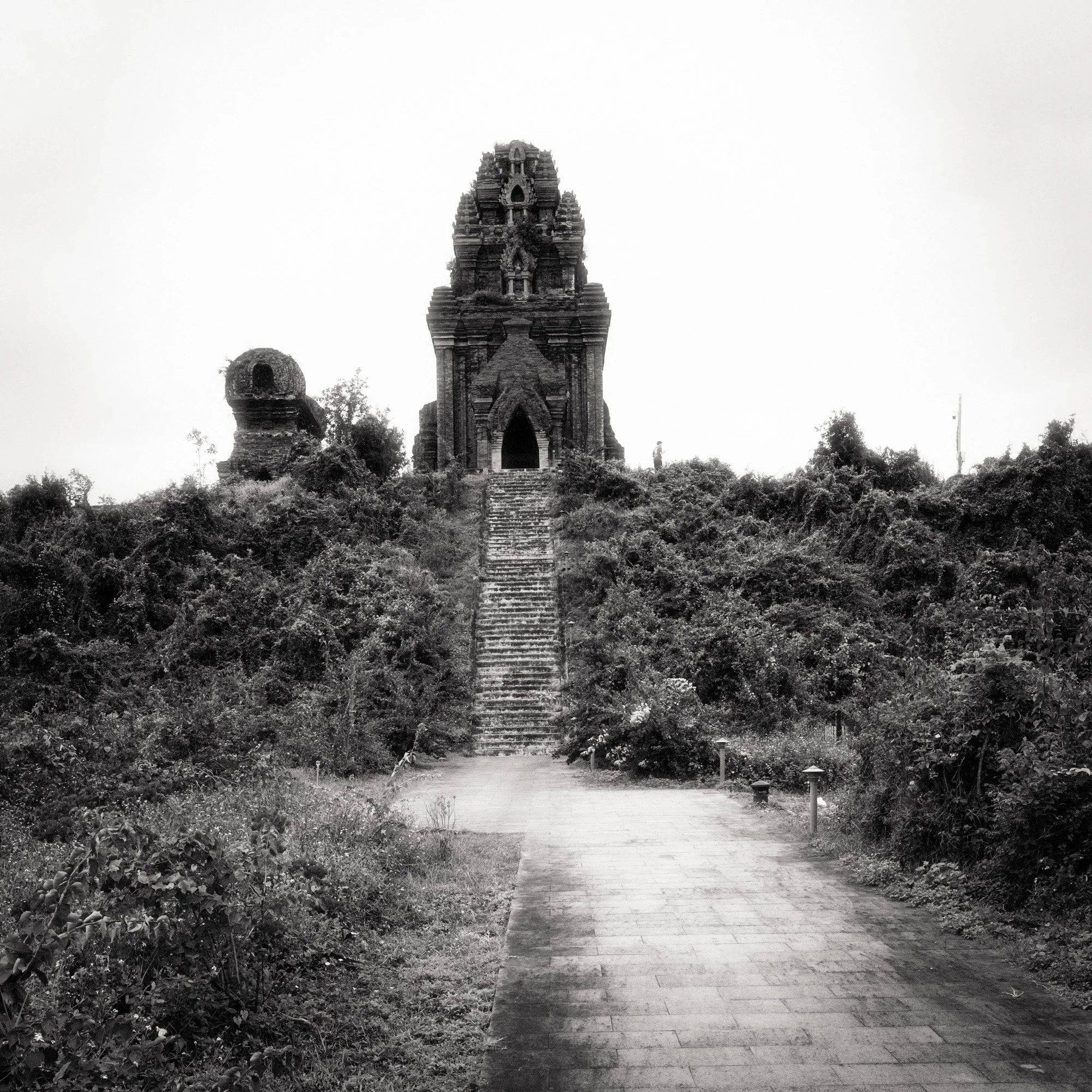
Thap Banh It 4
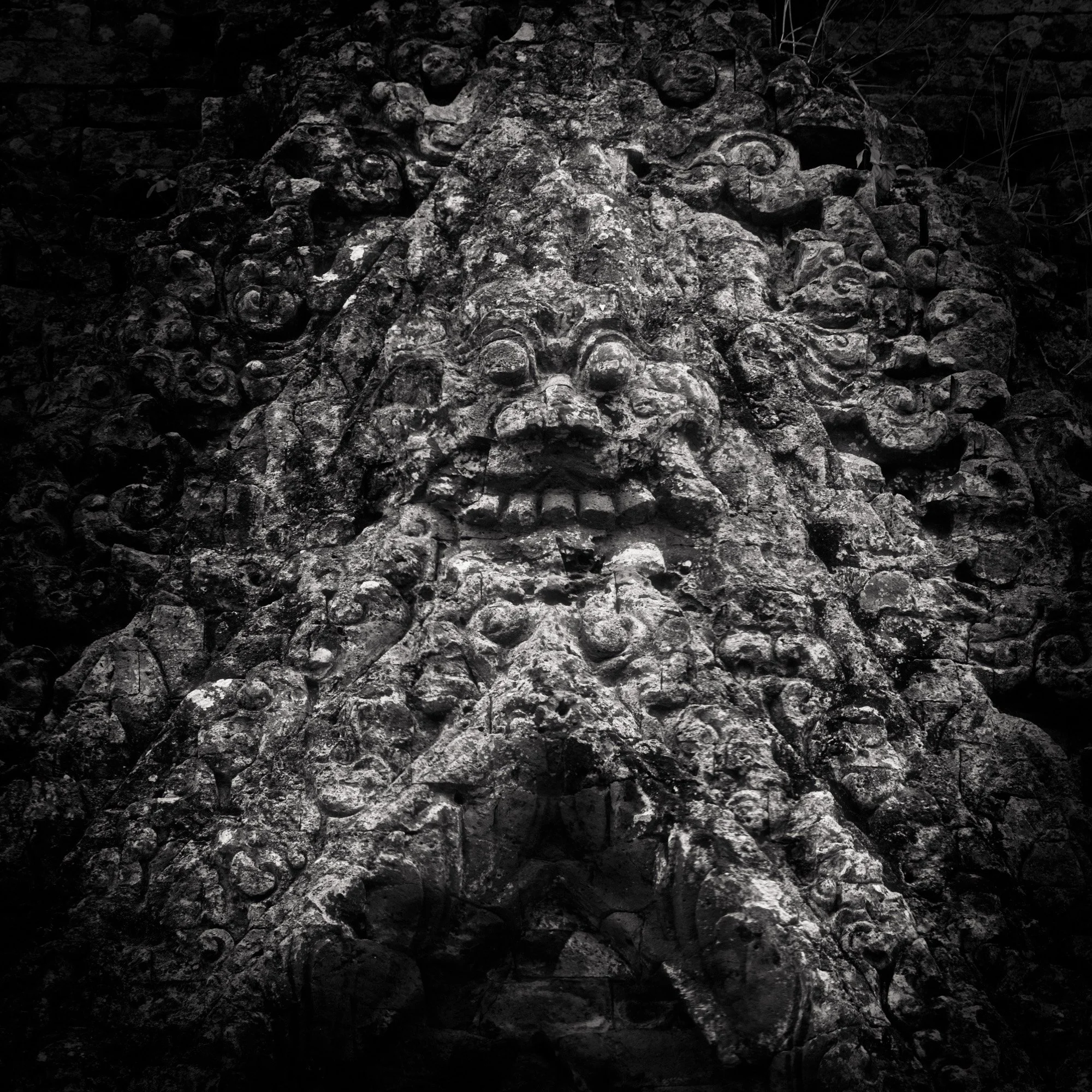
Thap Banh It 3
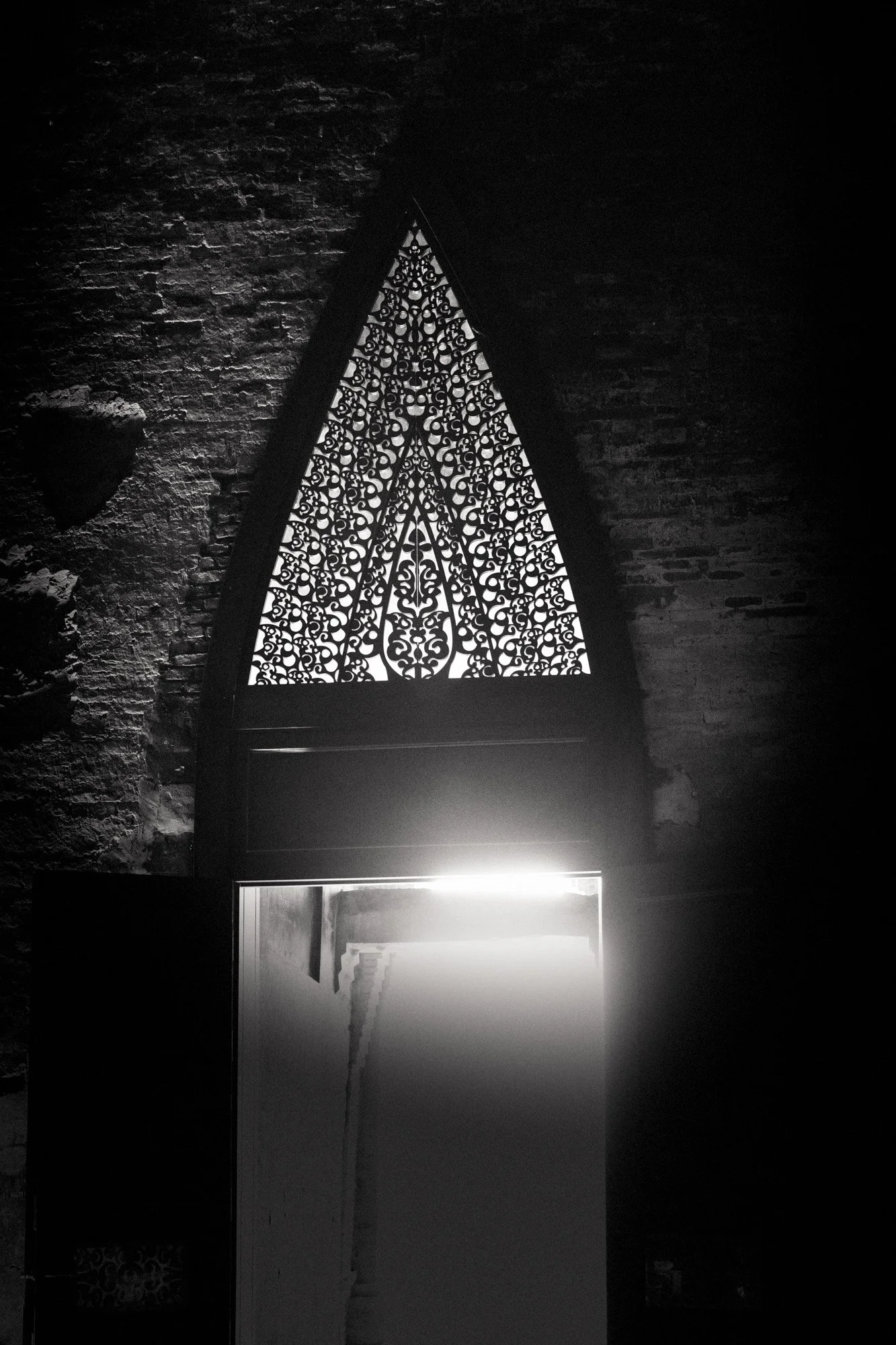
Thap Banh It 2
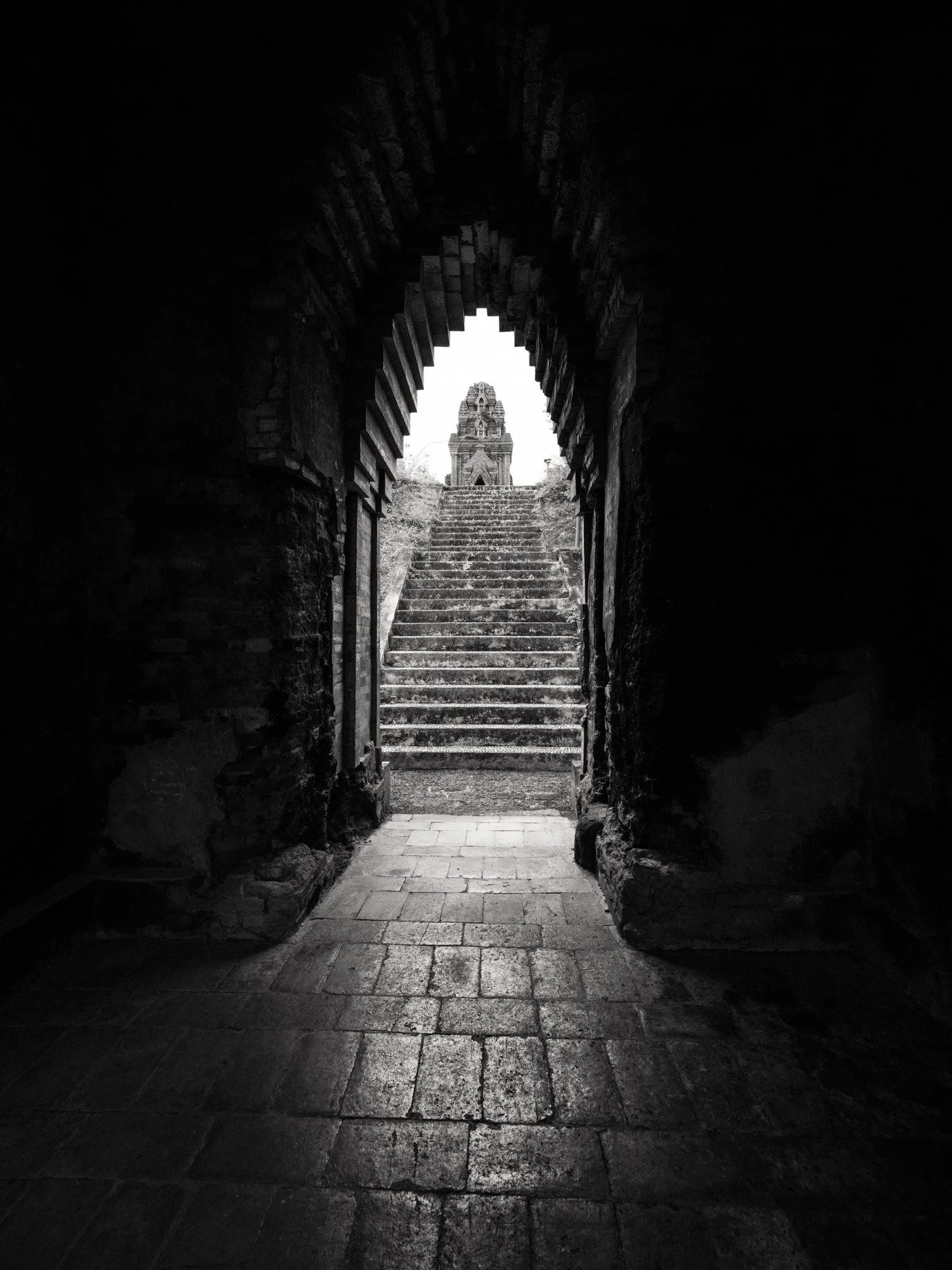
Thap Banh It 5
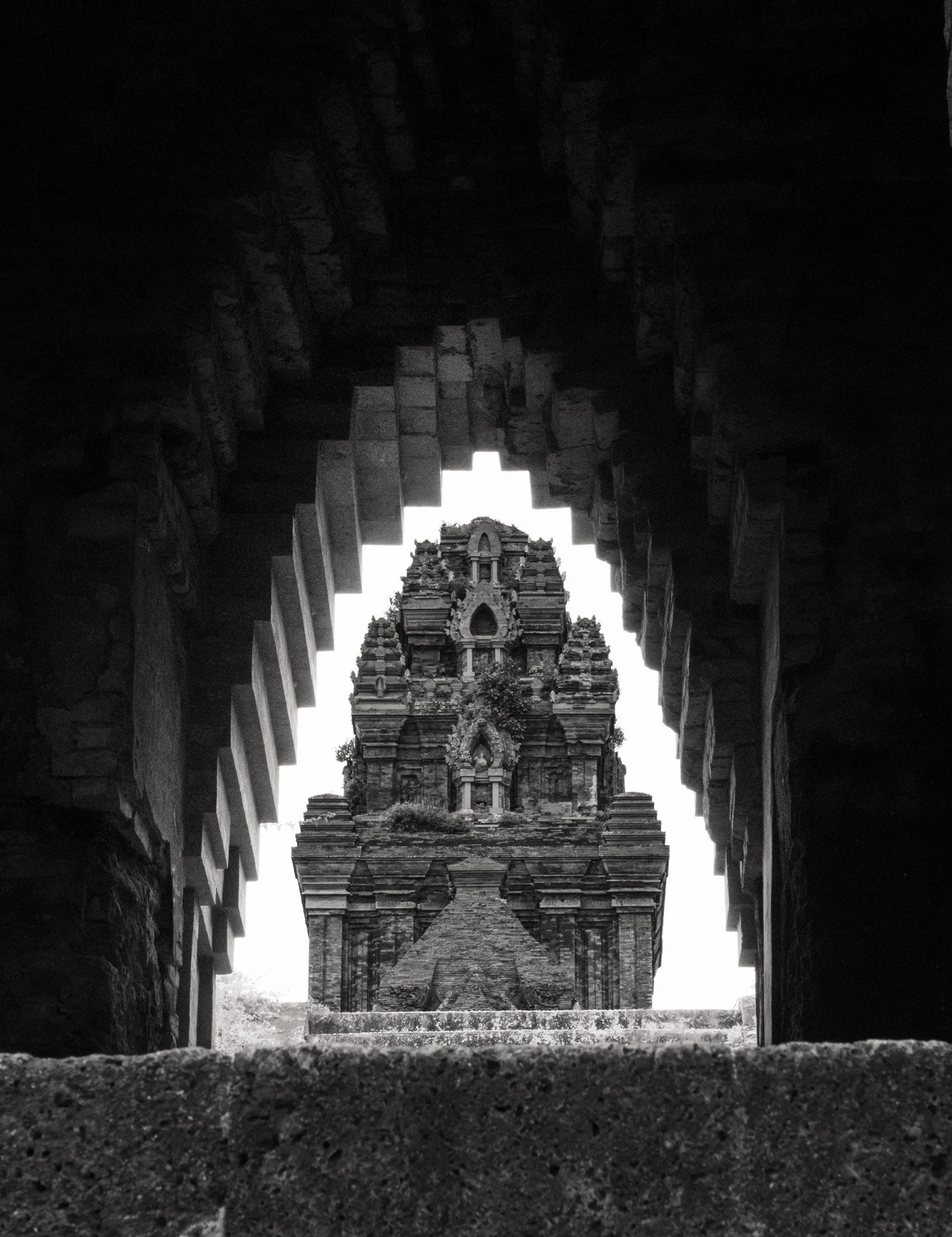
Thap Banh It 6
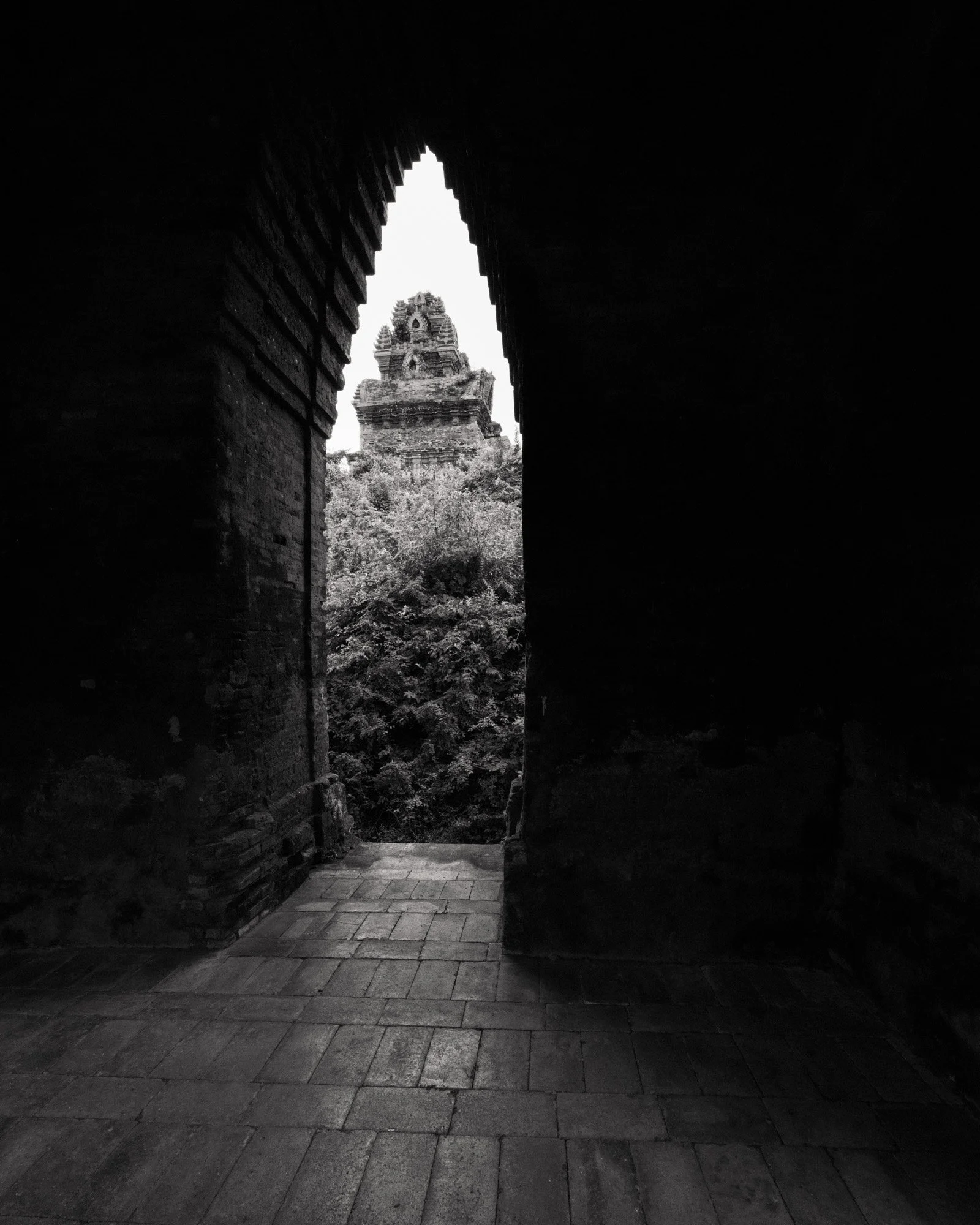
Thap Banh It 8
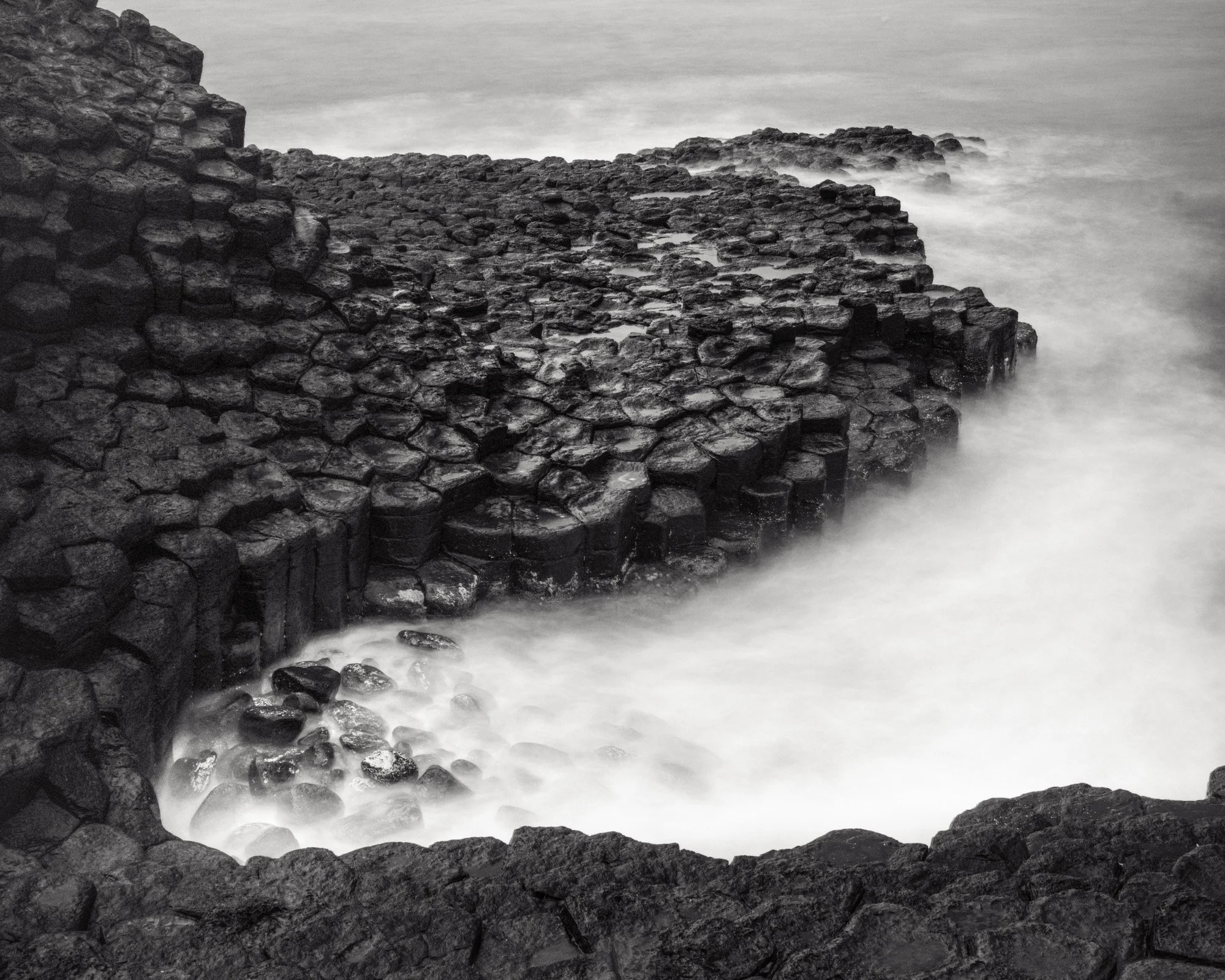
Ganh Da Địa 1
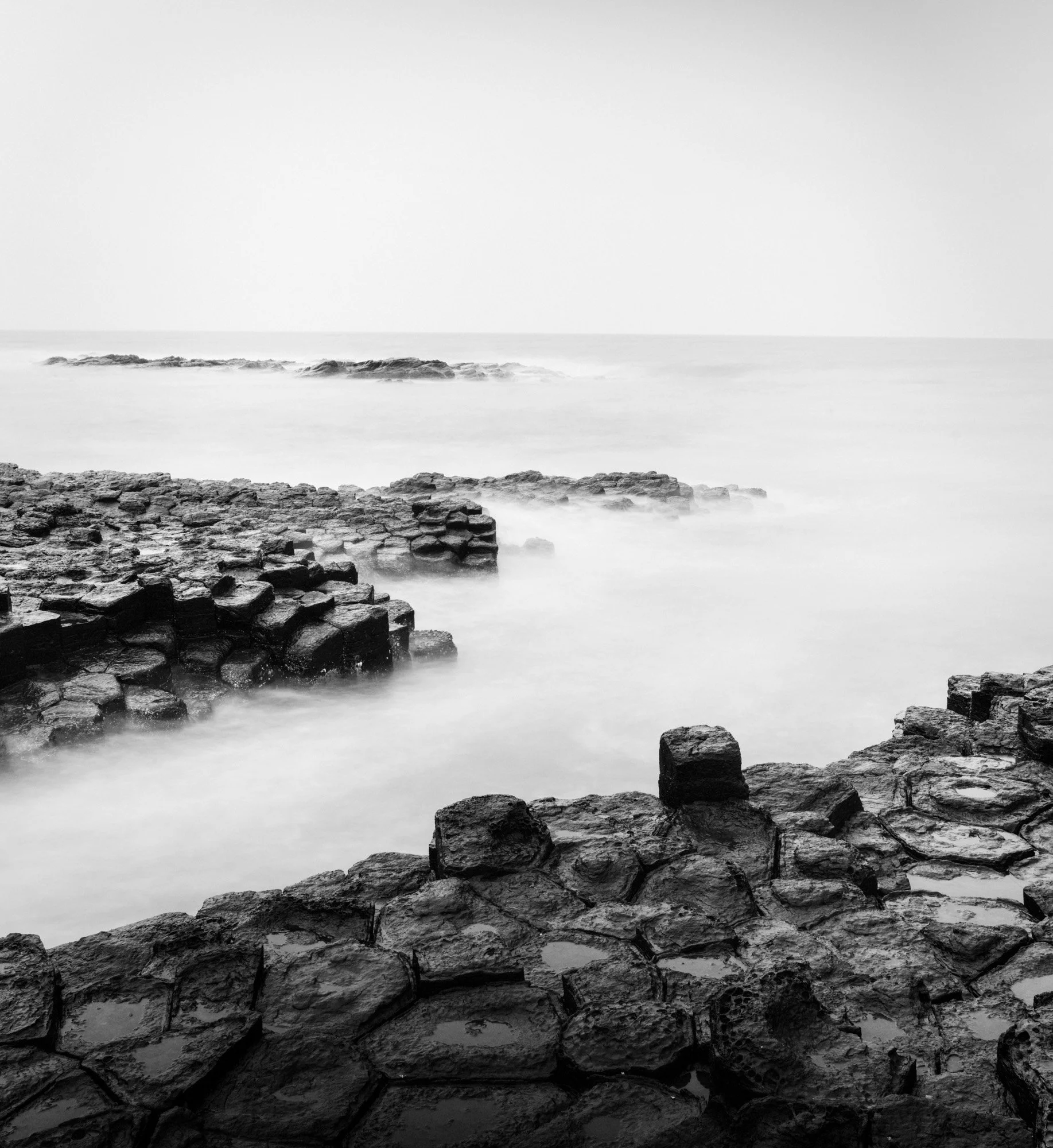
Ganh Da Dịa 2
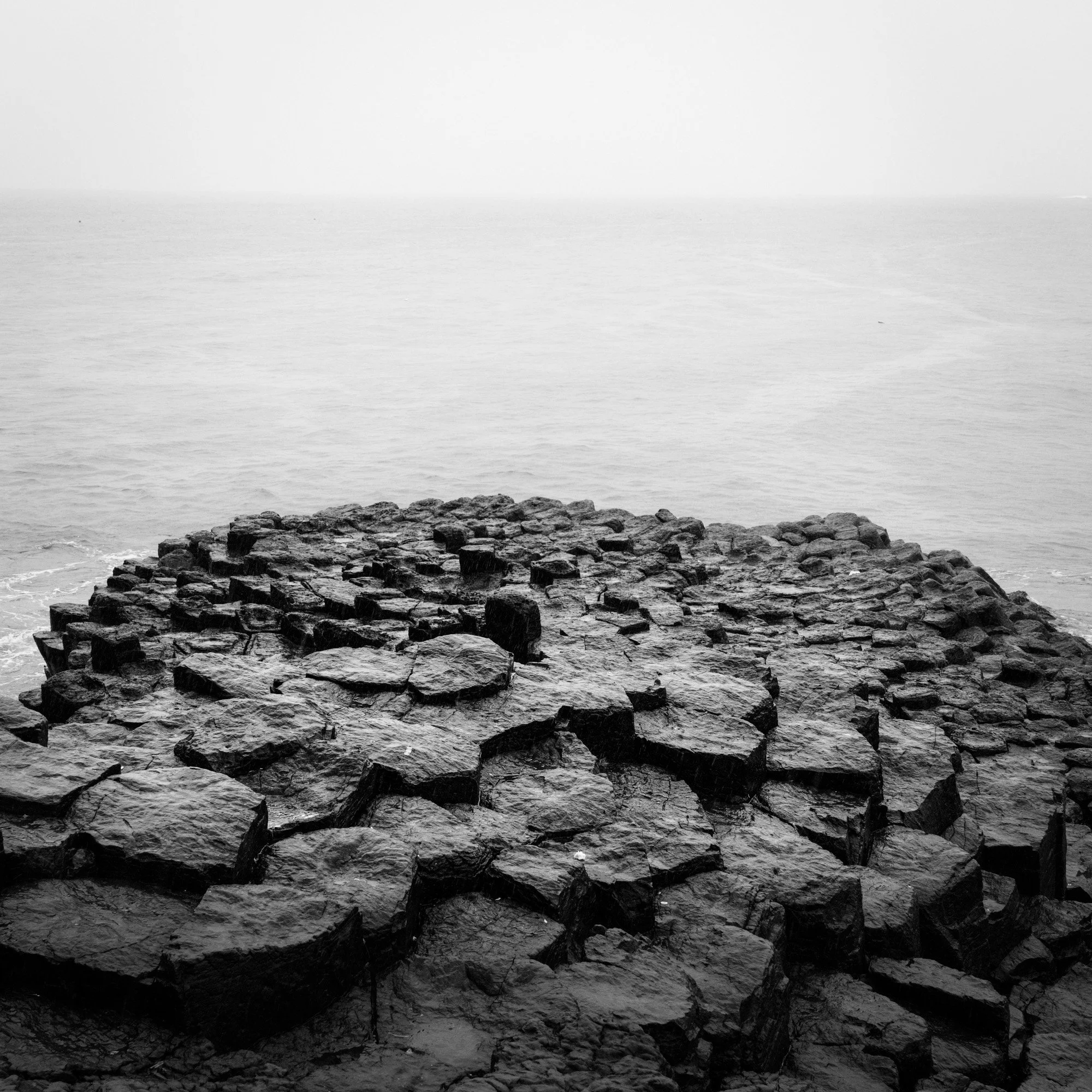
Ganh Da Dịa 4
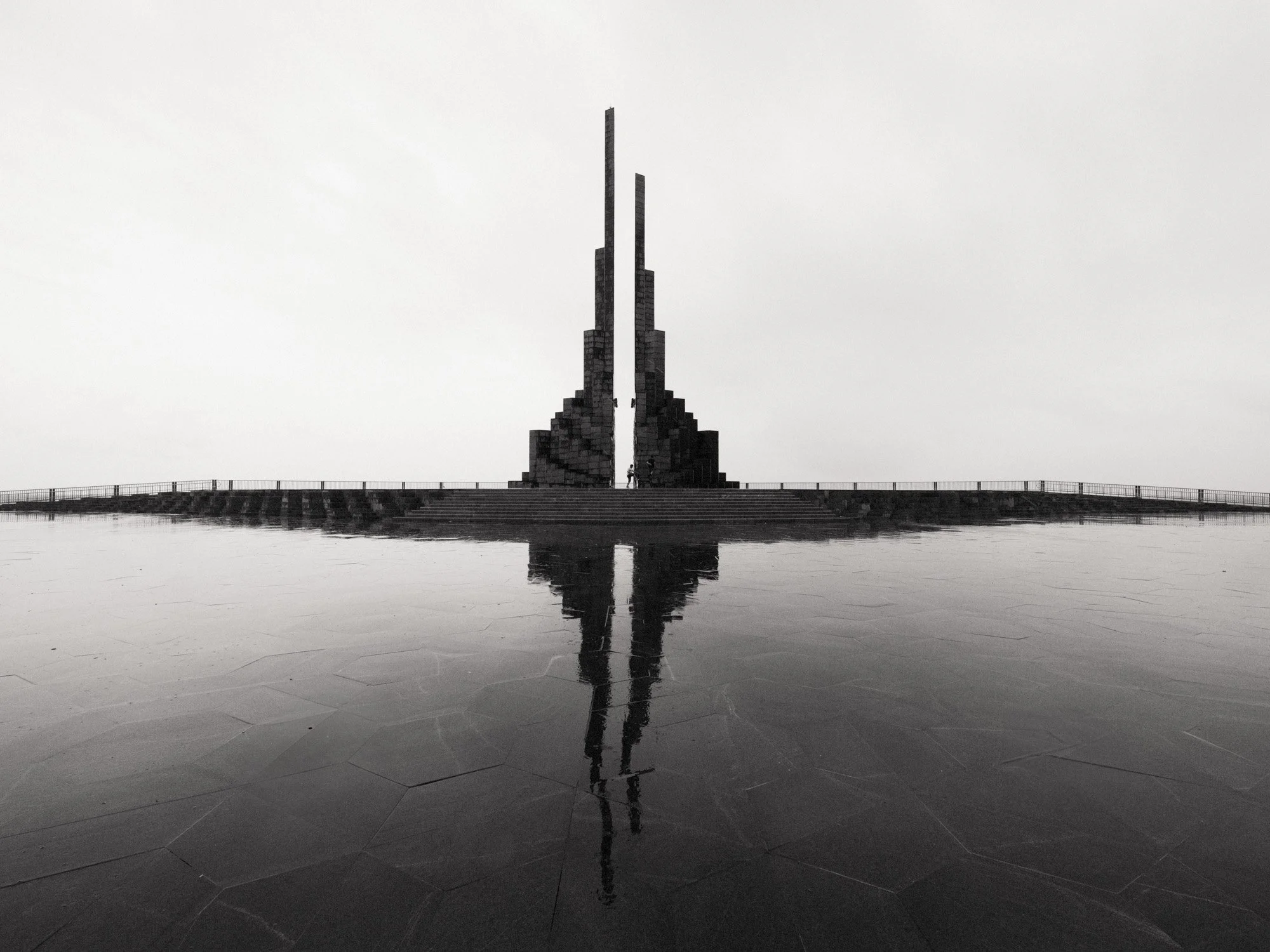
Nghinh Phong Tower 1
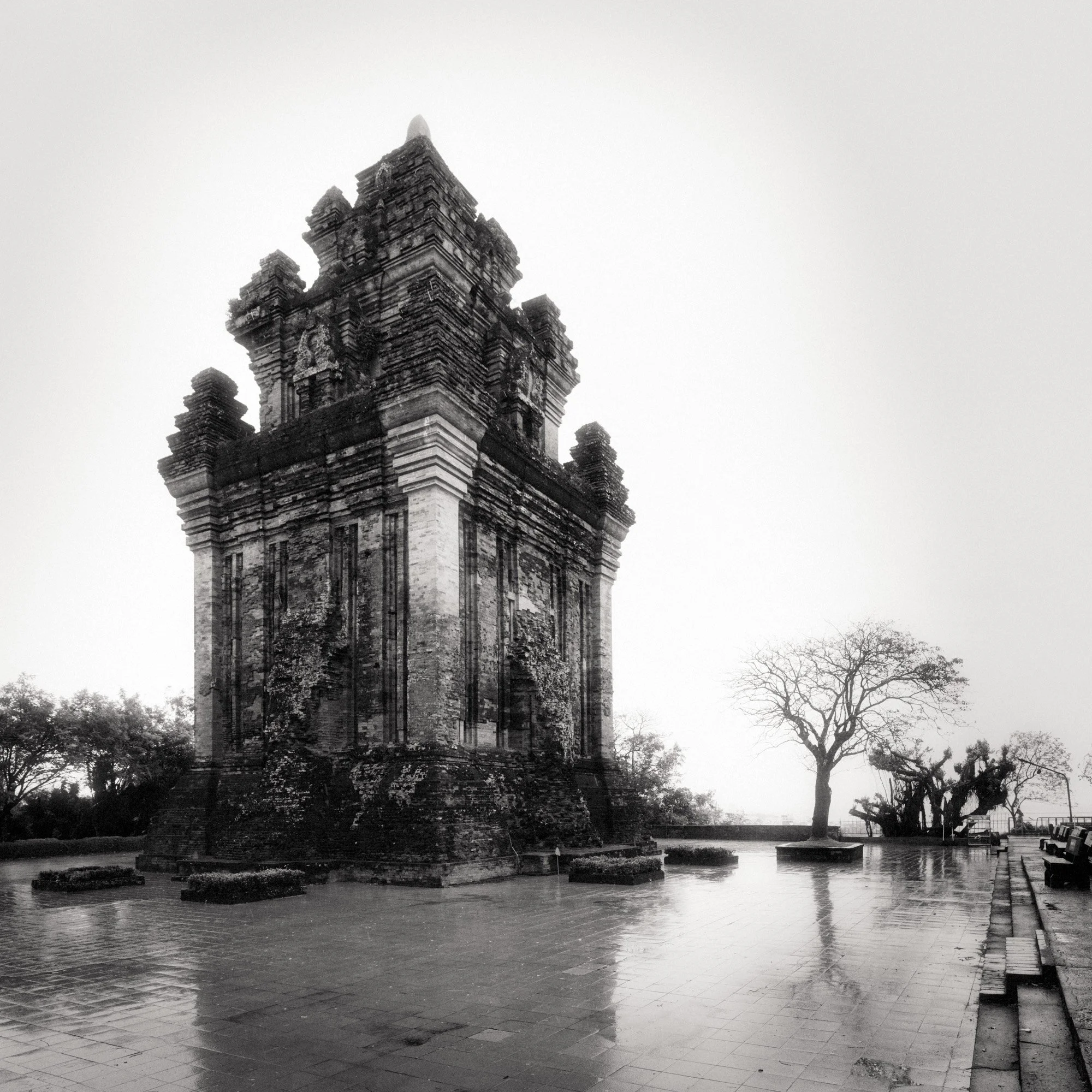
Thap Nhan Tower 1
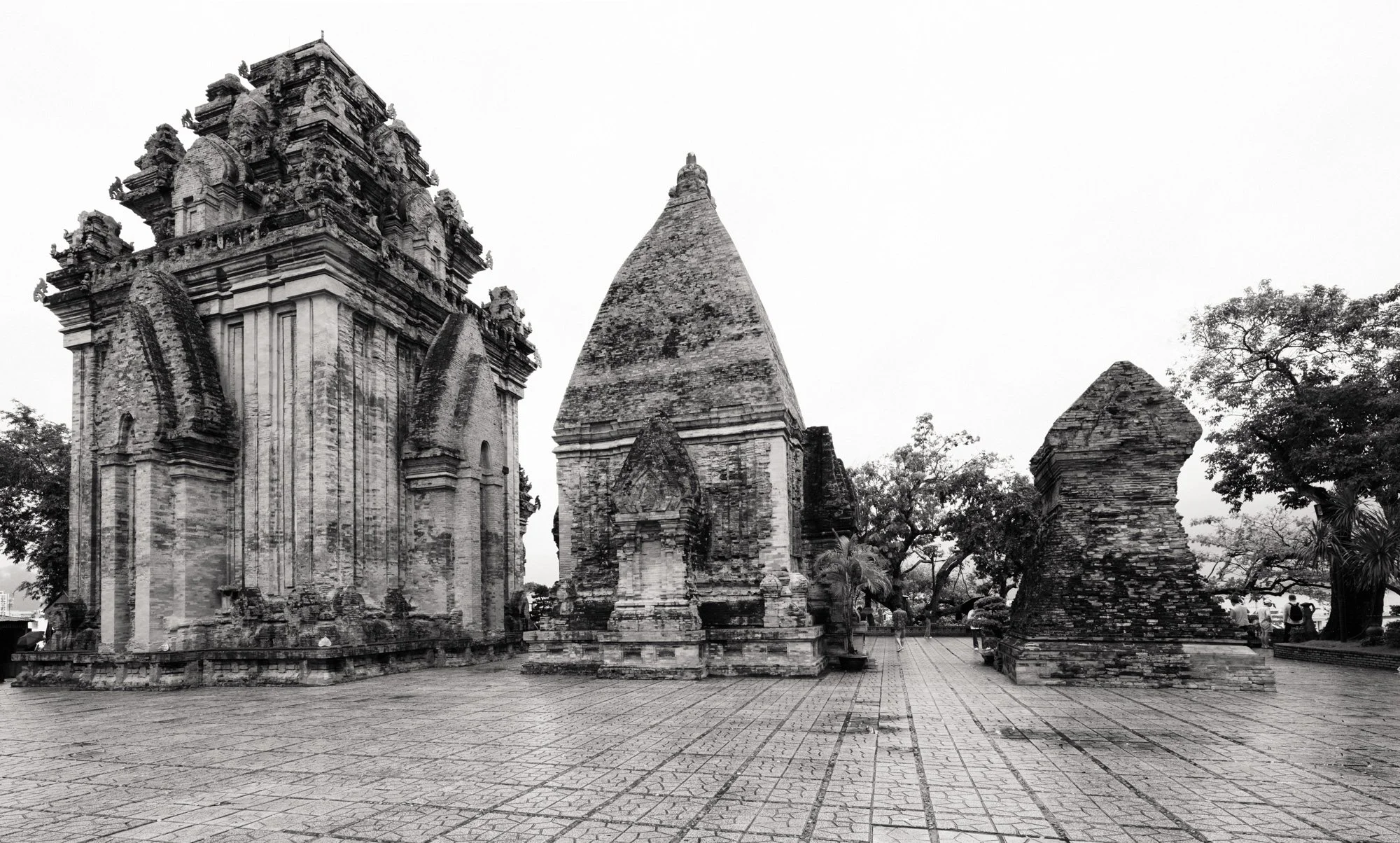
Po Nagar Cham Towers 3
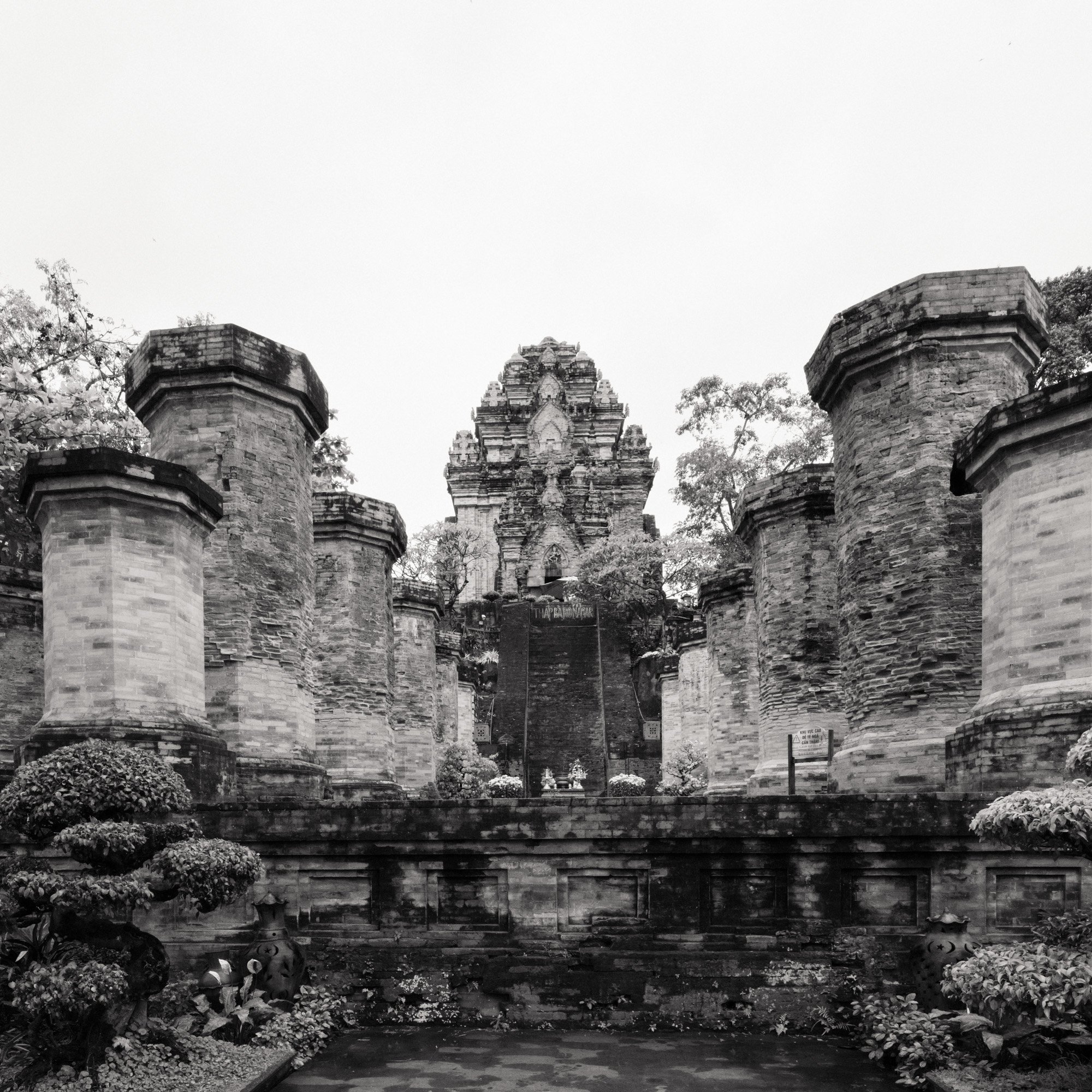
Po Nagar Cham Towers 5
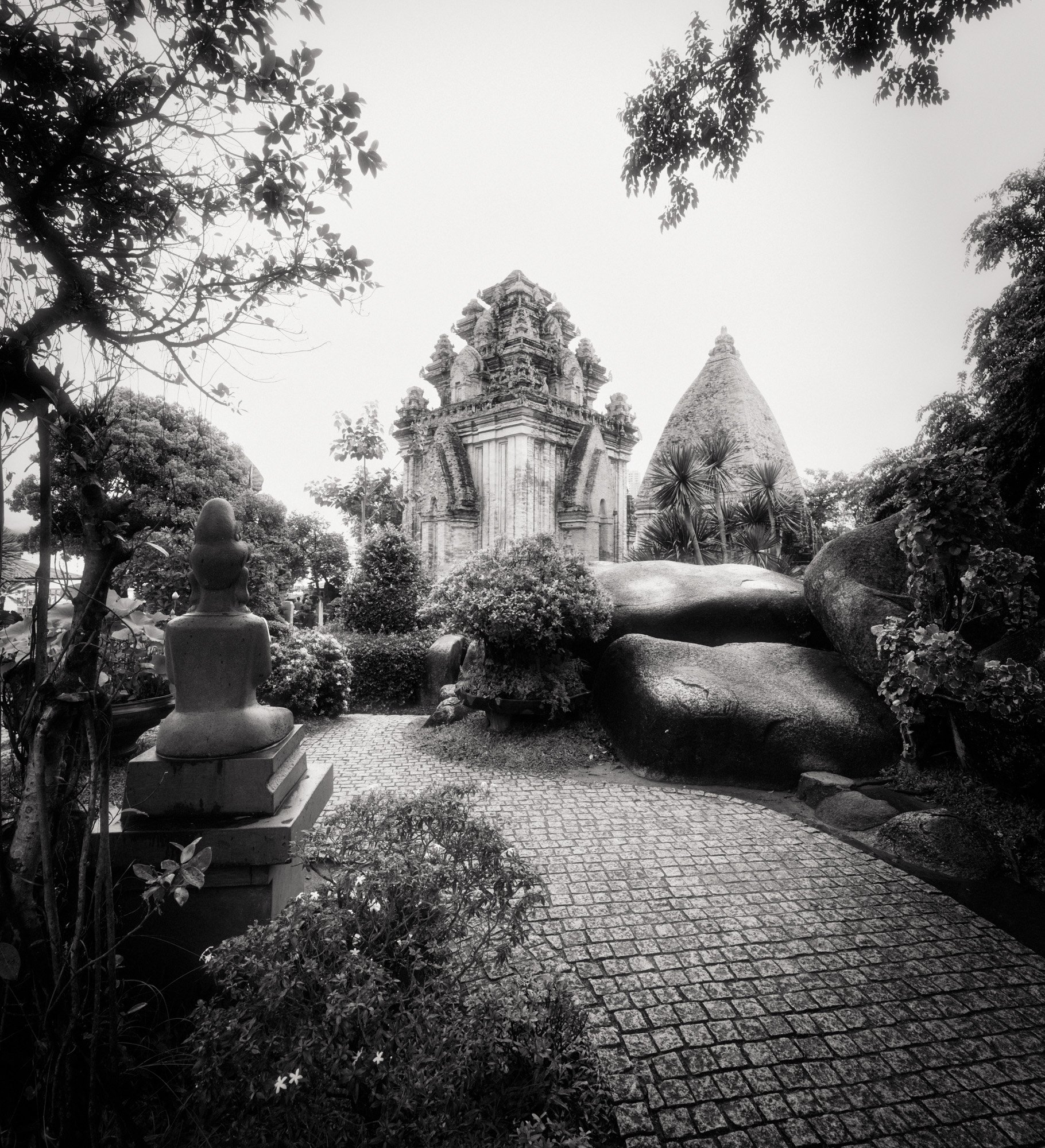
Po Nagar Cham Towers 4
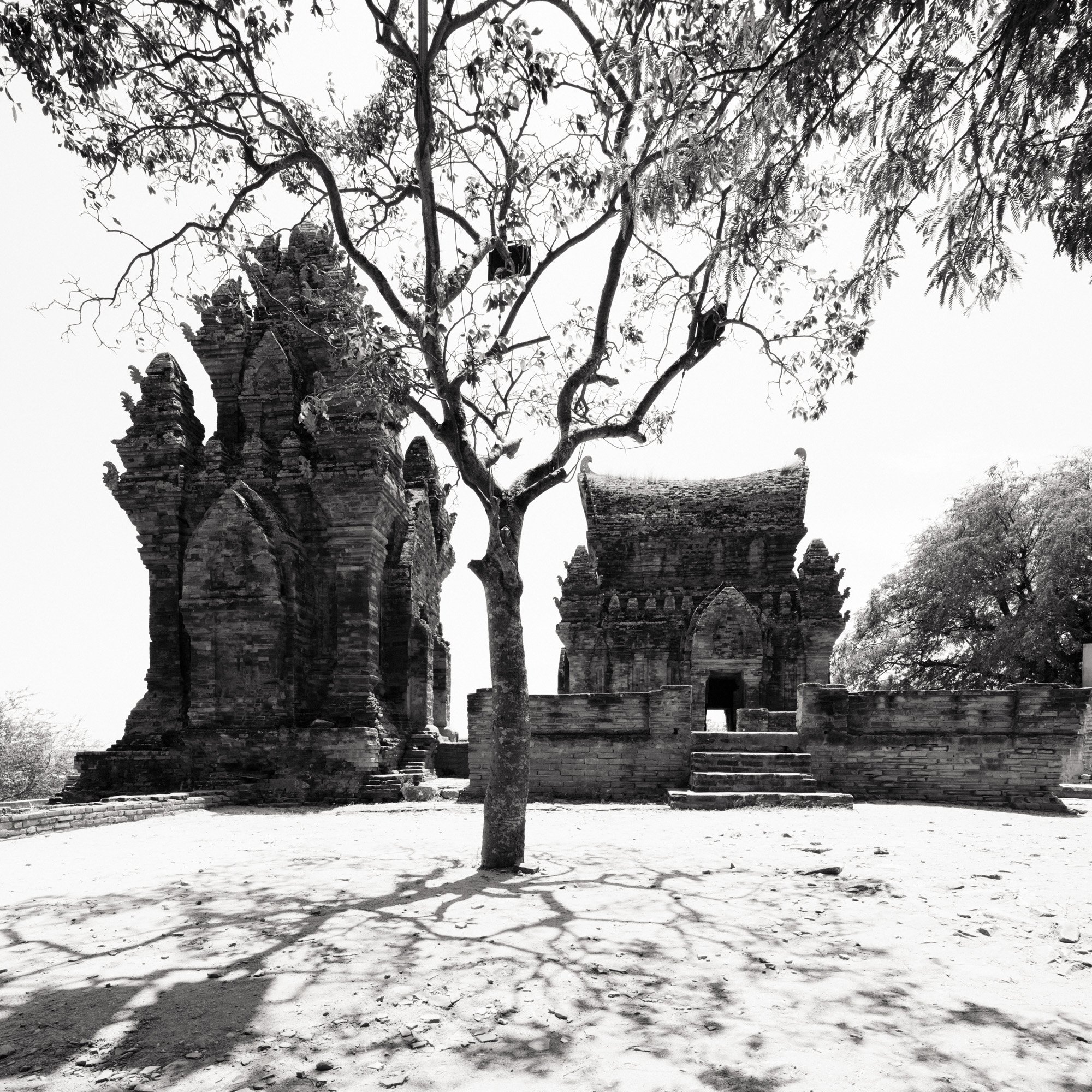
Po Klong Garai 5
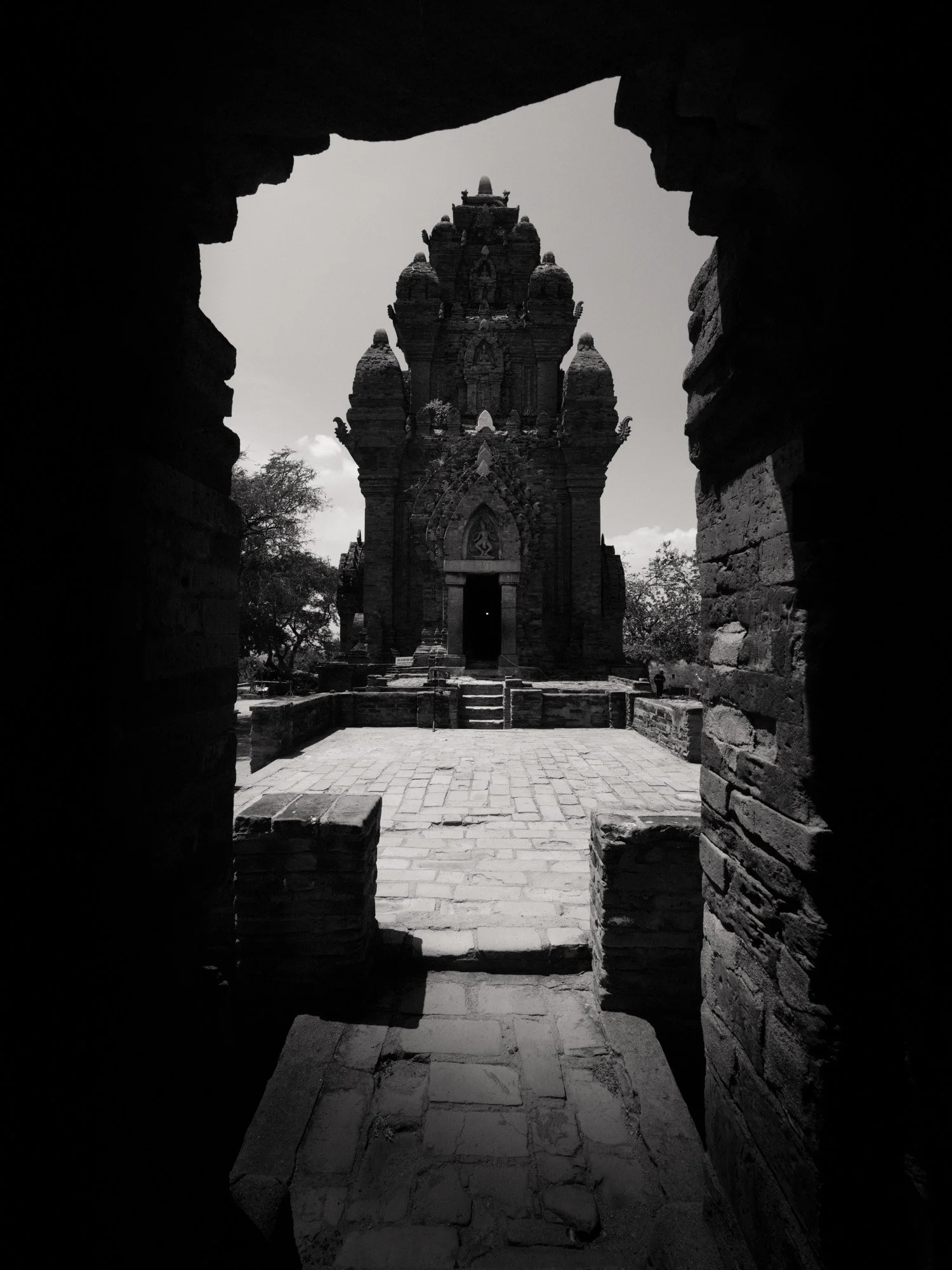
Po Klong Garai 8
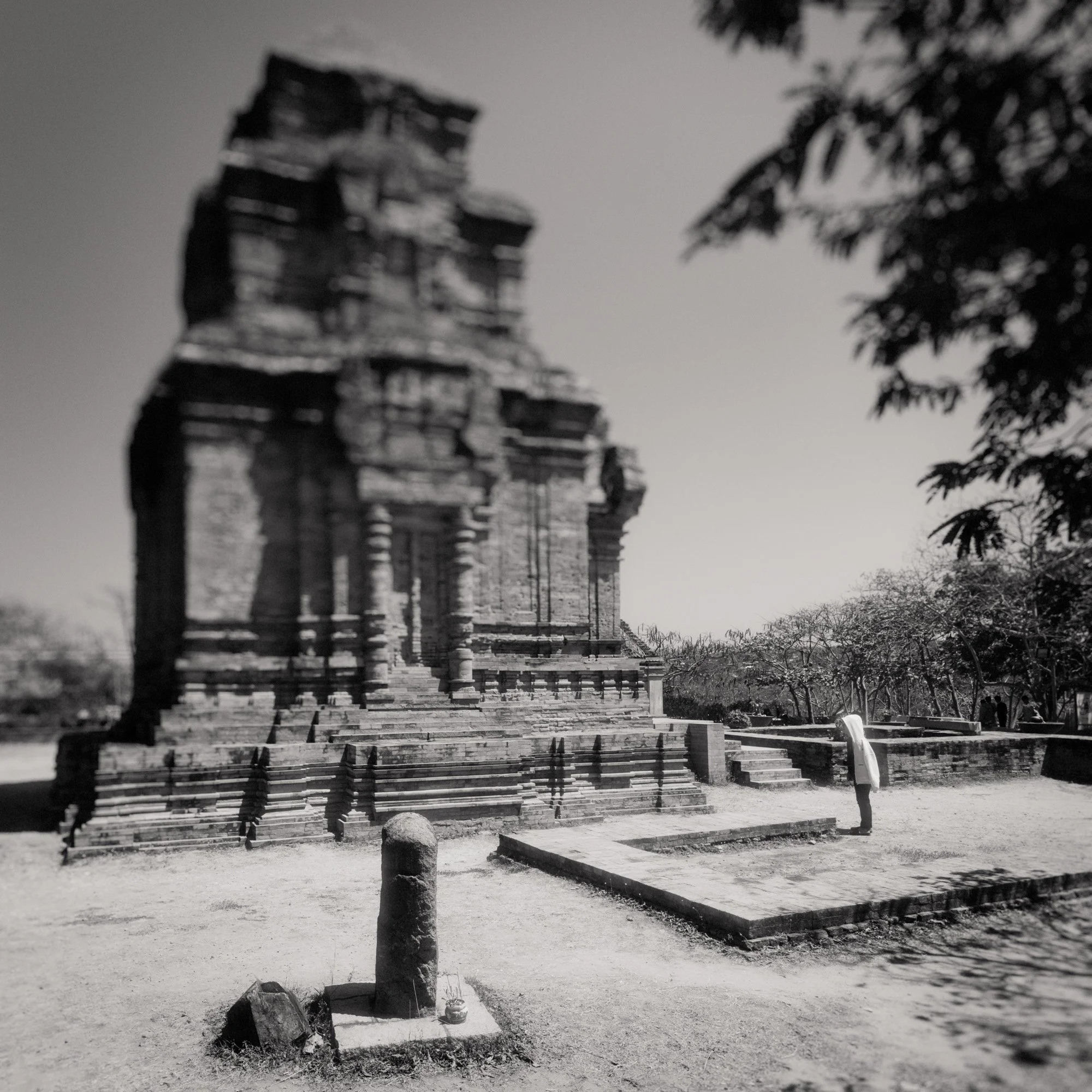
Po Sah Inu Cham Towers 1
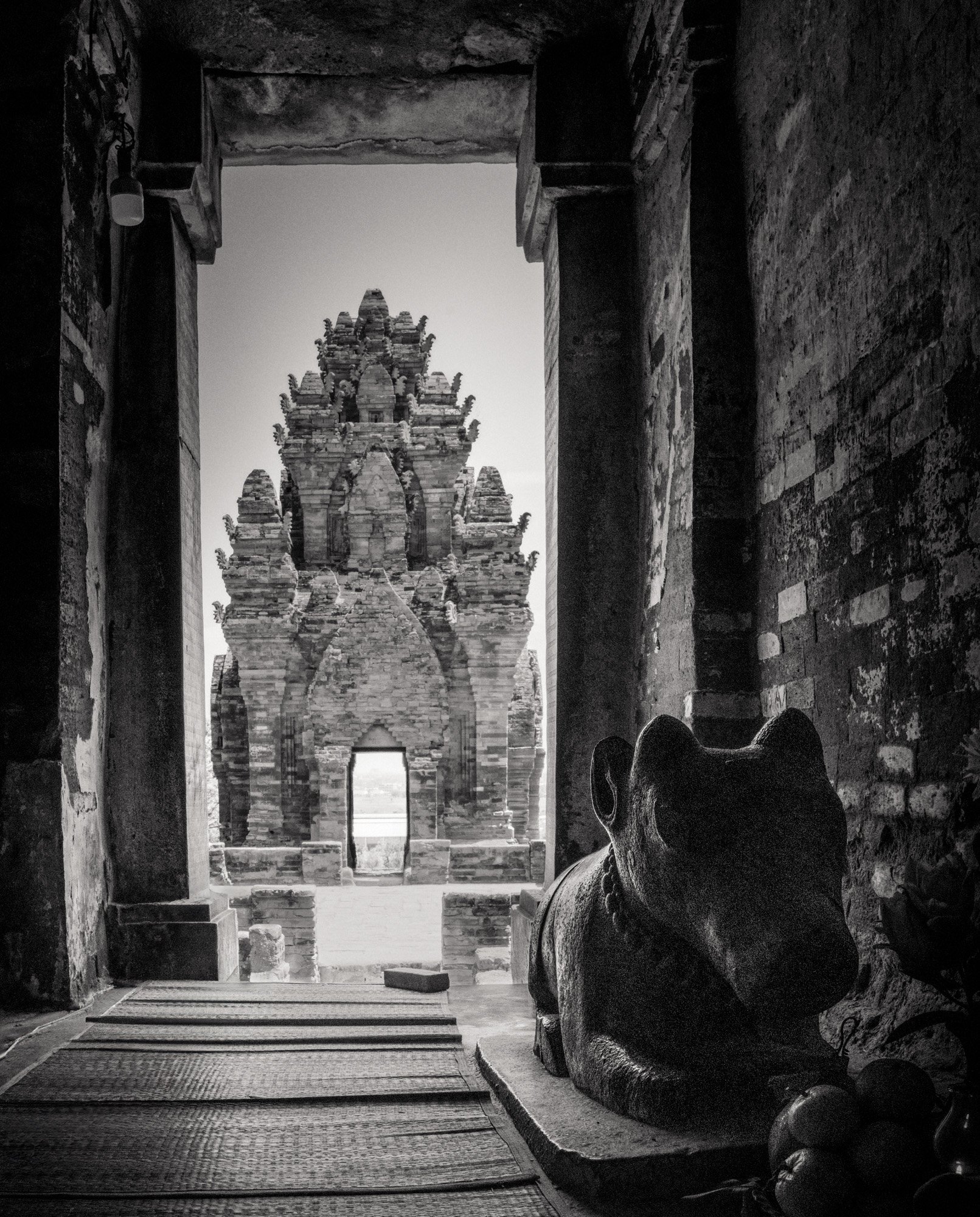
Po Klong Garai 6
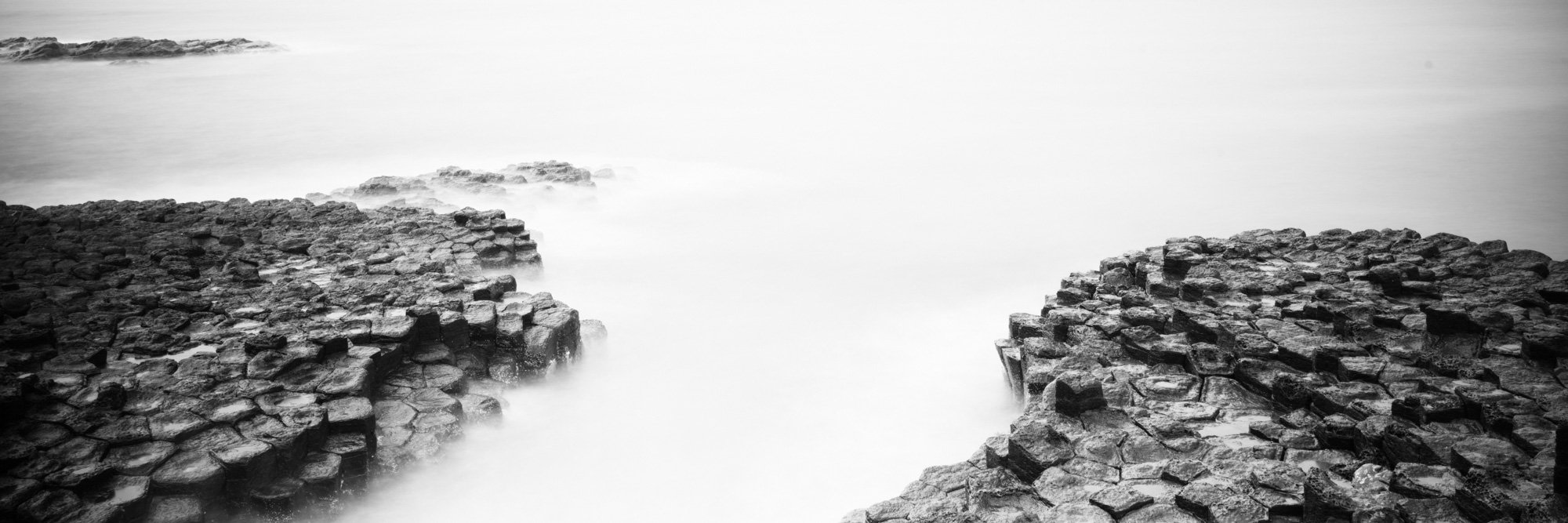
Ganh Da Dịa 3