DARSHAN INDIA
Stones That Remember
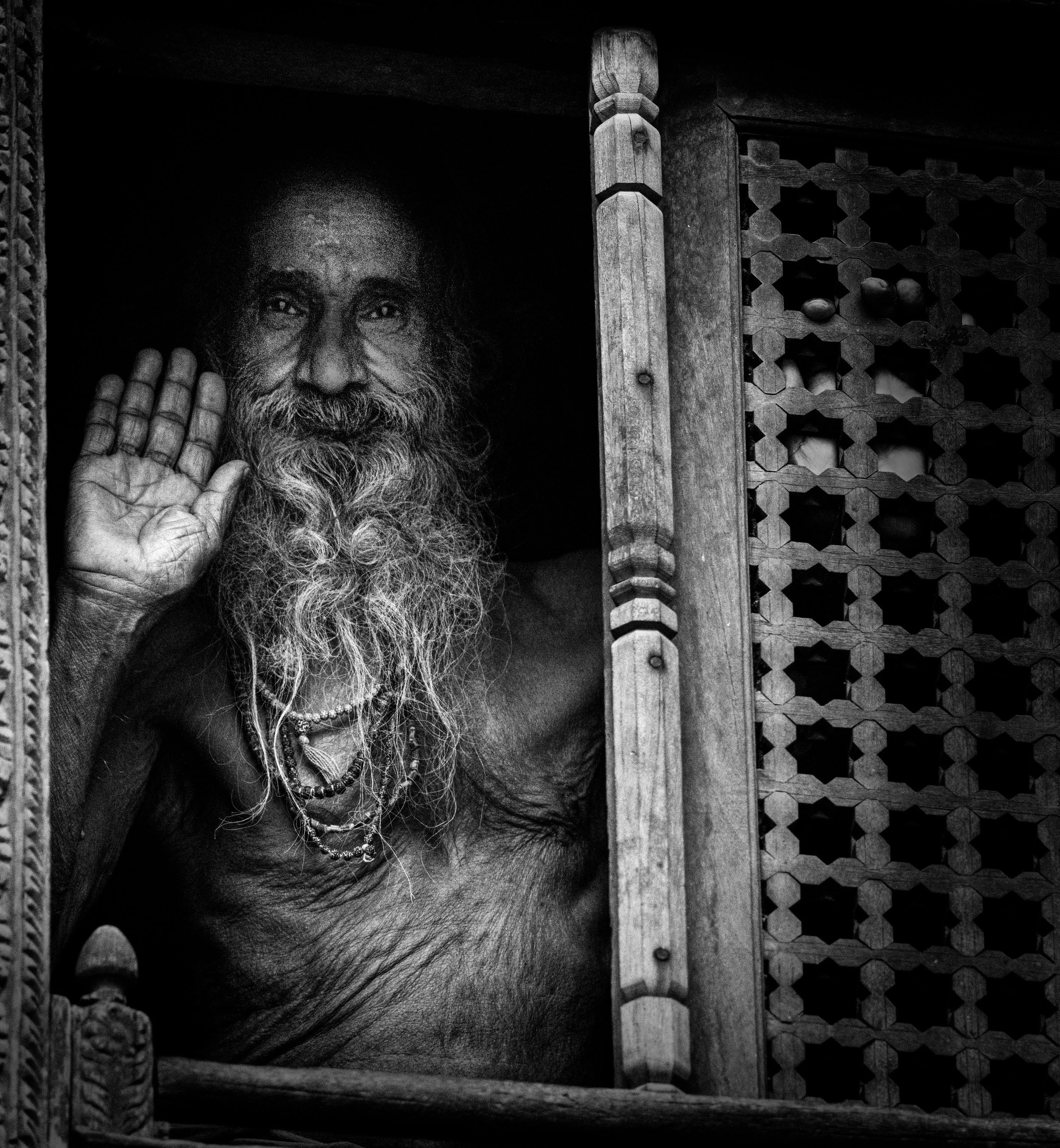
Blessings from a monk in Varanasi with kind eyes
DARSHAN: To glimpse or to view and see; and to be blessed in the process.
An auspicious sight, often in the context of a holy person or object.
Immigration and Career
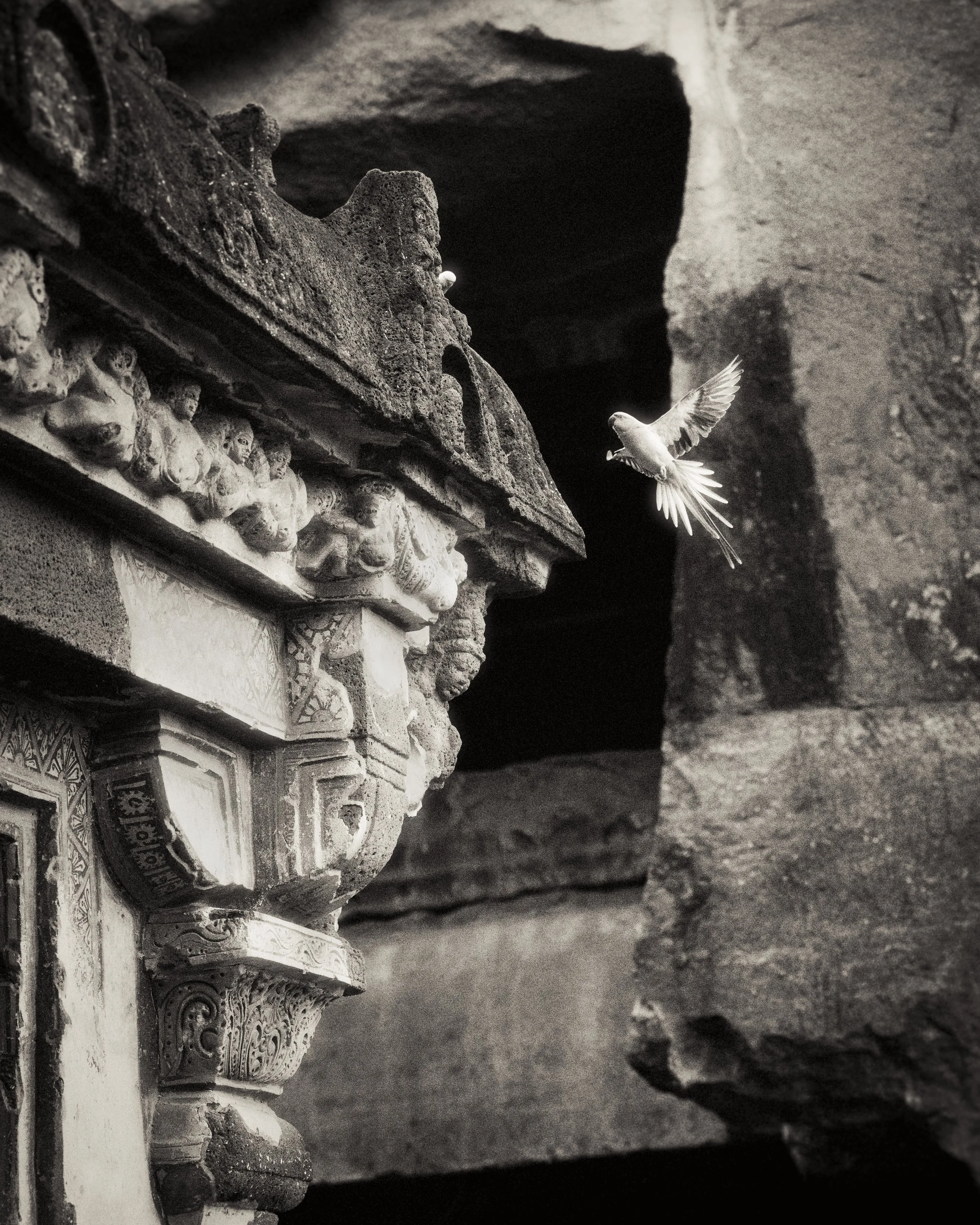
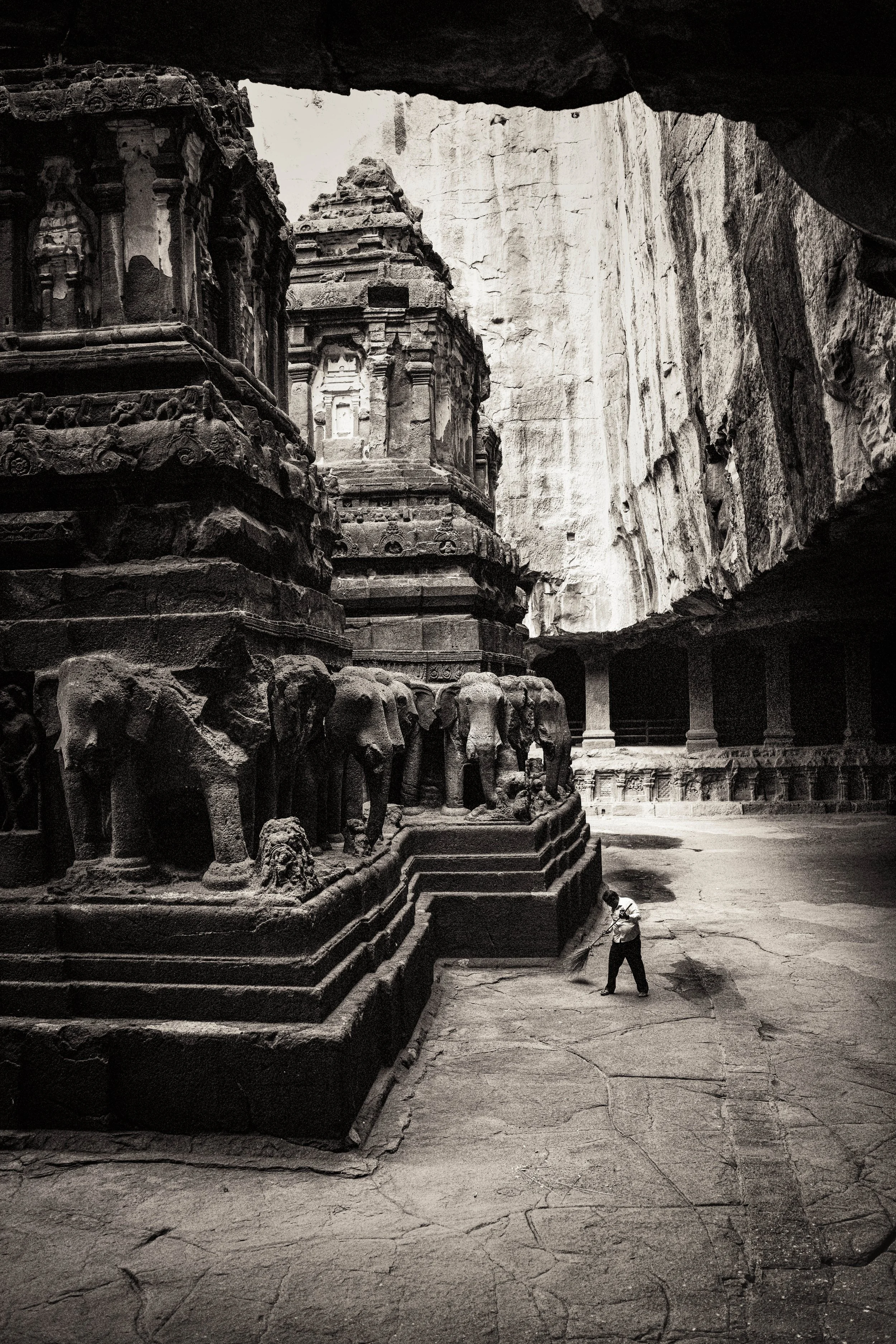
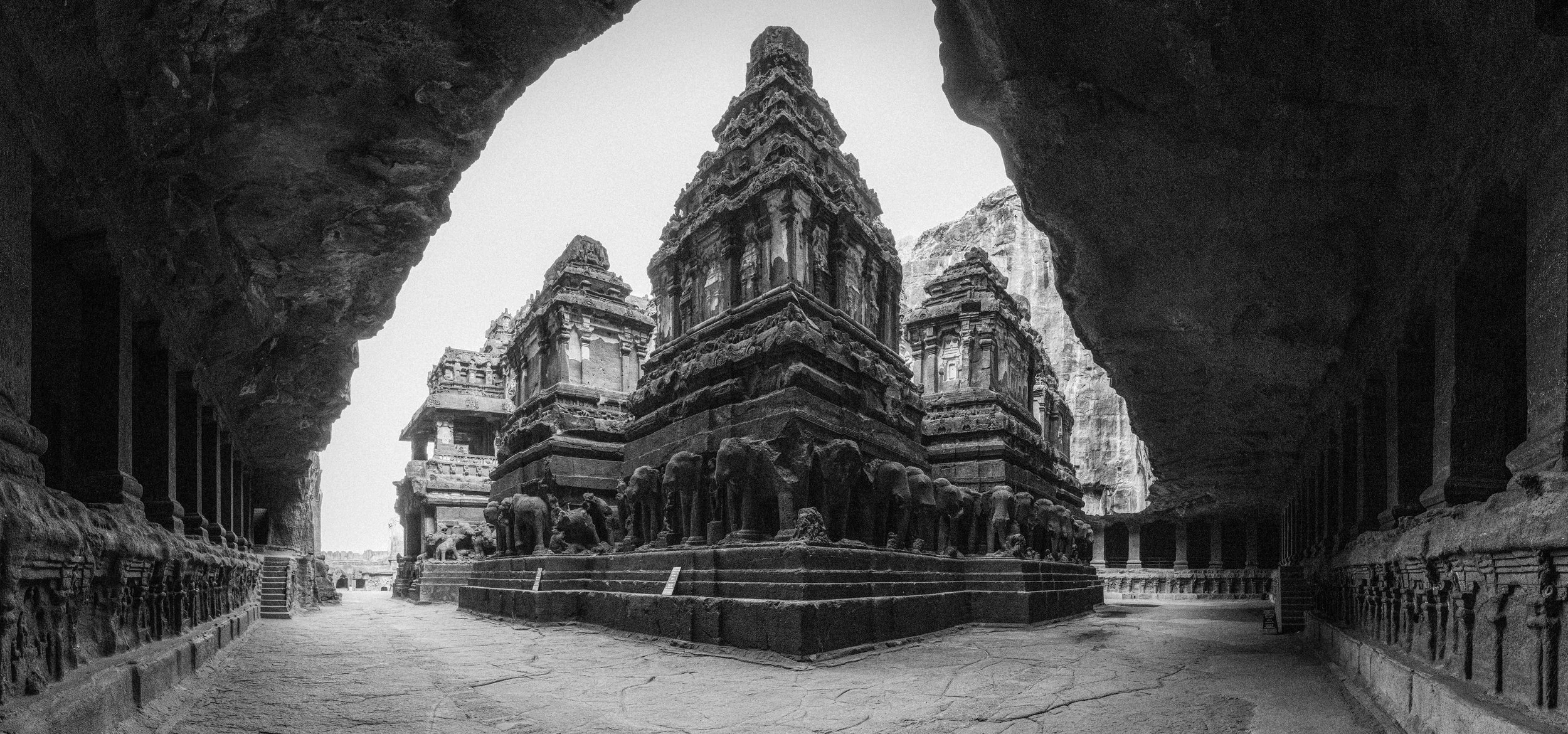
Kailash temple at Ellora
Fifty years ago, my brother and I landed as immigrants in New York City, then continued to Athens, Georgia. I was sixteen, and St. Xavier's School in Kolkata had prepared me well: three years at the University of Georgia, then Johns Hopkins University Medical School, class of 1982, and a residency in Ophthalmology. I went on to spend more than thirty years as a retinal surgeon in Sacramento, California.
In retrospect, my life story resembles that of so many first-generation immigrants: fueled by ambition, from a culture where success was expected, all while overshadowed by the fear of failure, with no family safety net so far from home. We were too focused on survival to afford ourselves the luxury of developing outside interests, until the dutiful part of our lives could finally be put behind us.
Photography and Landscapes
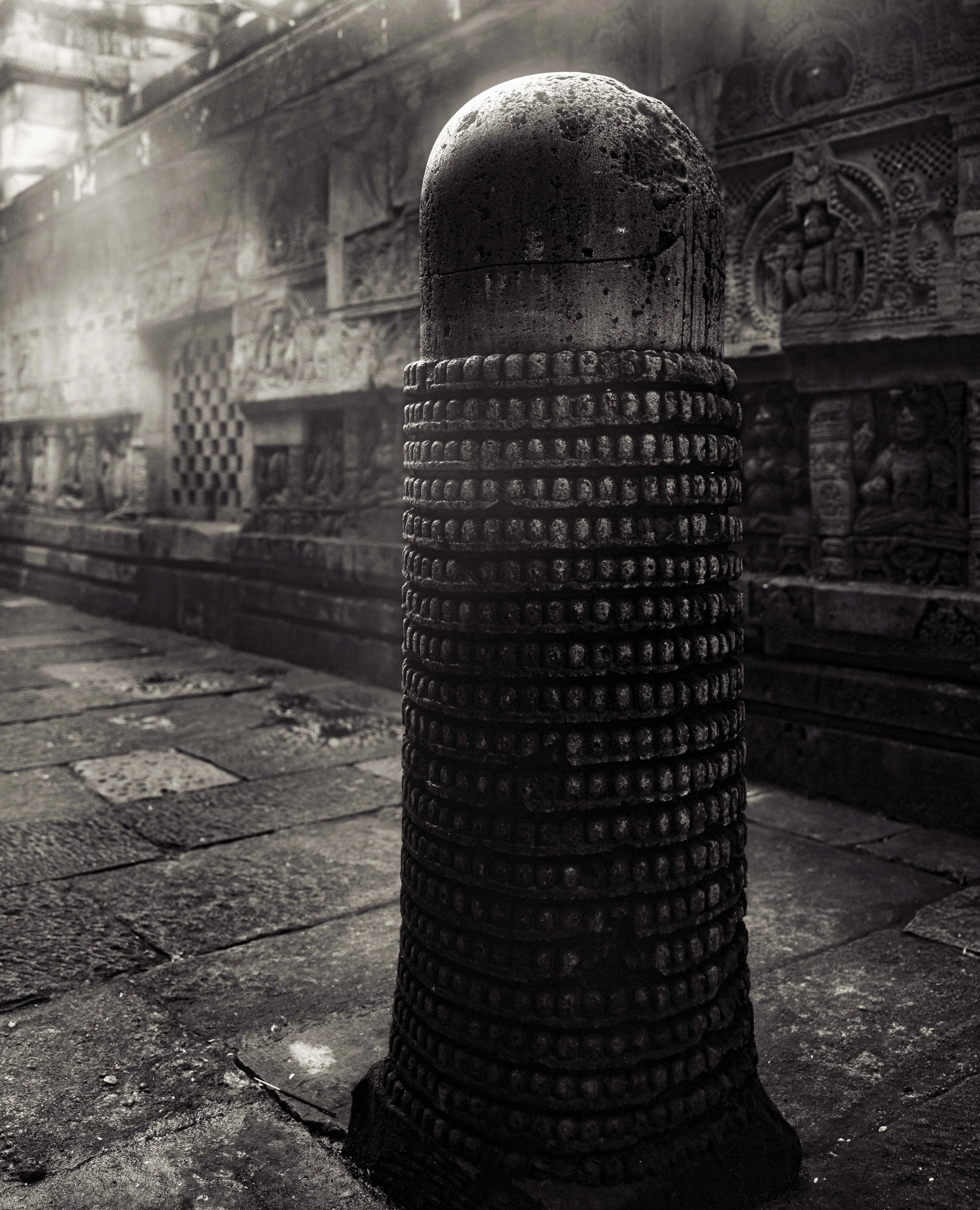
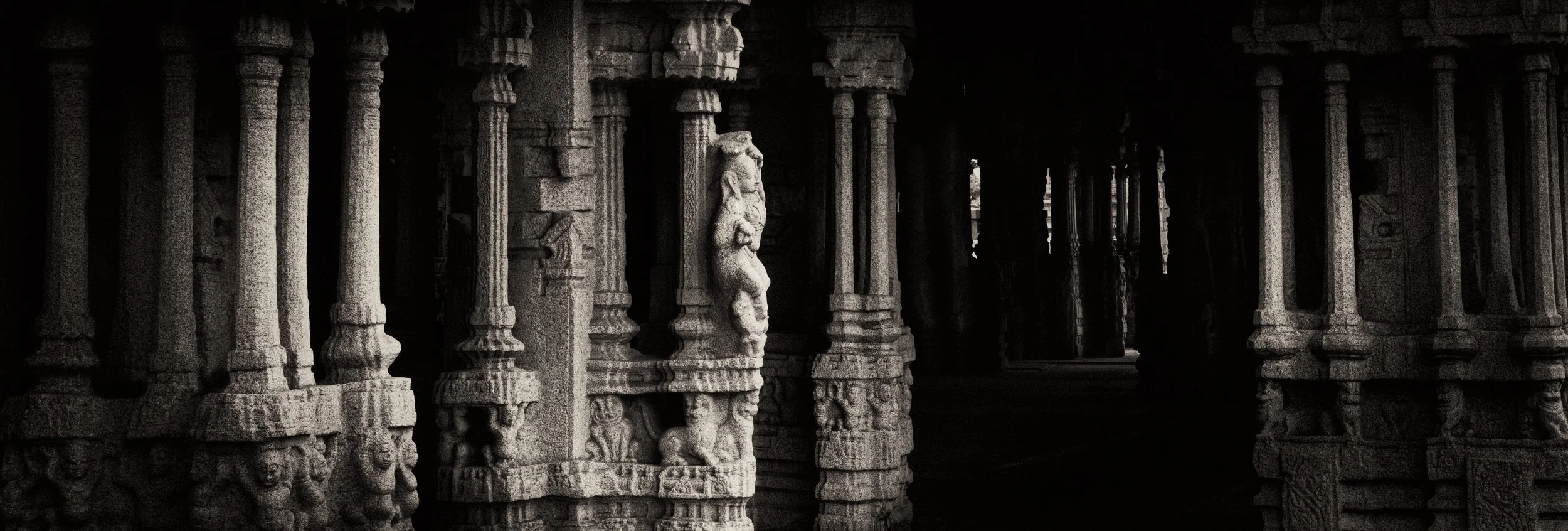
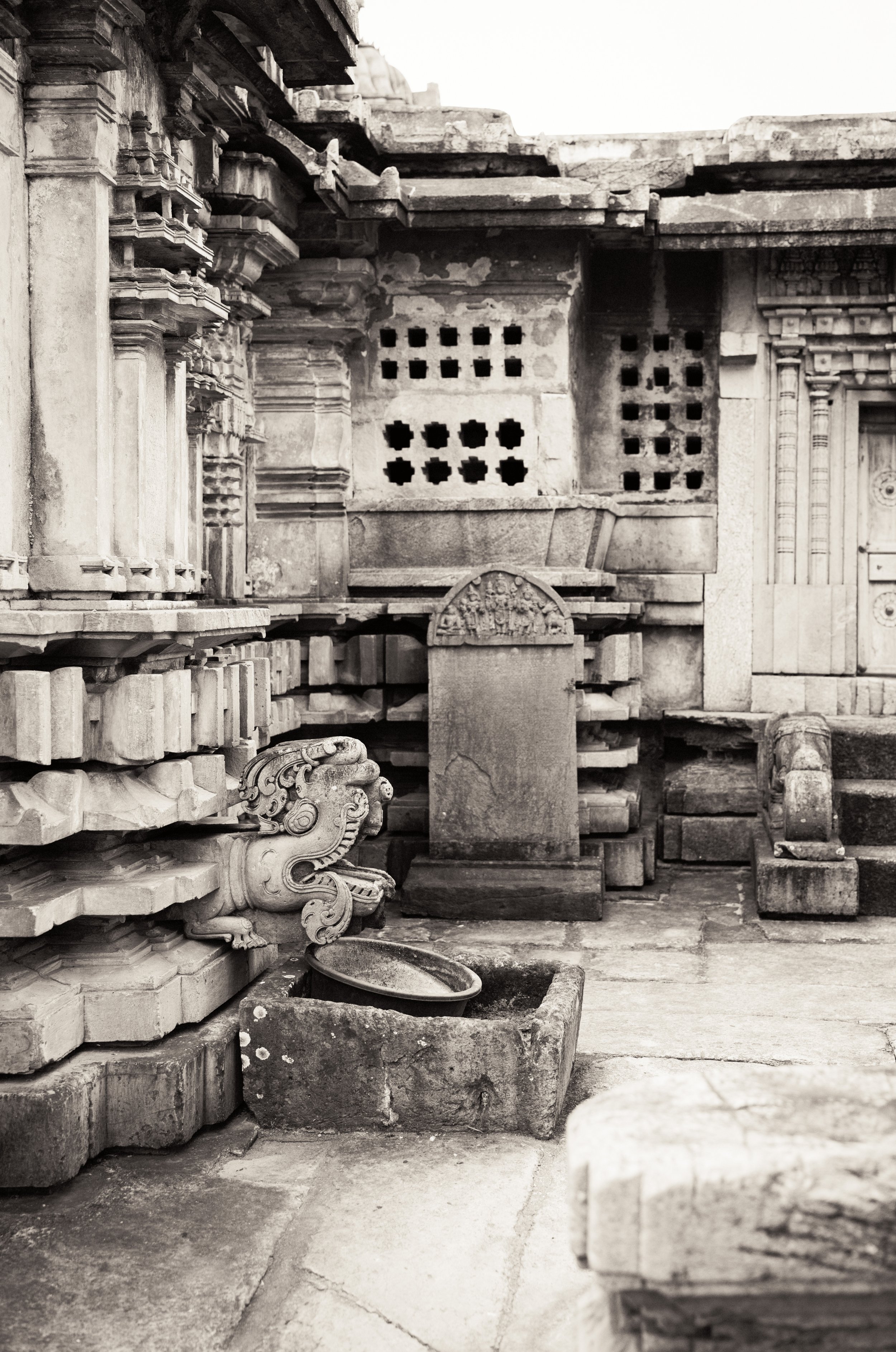
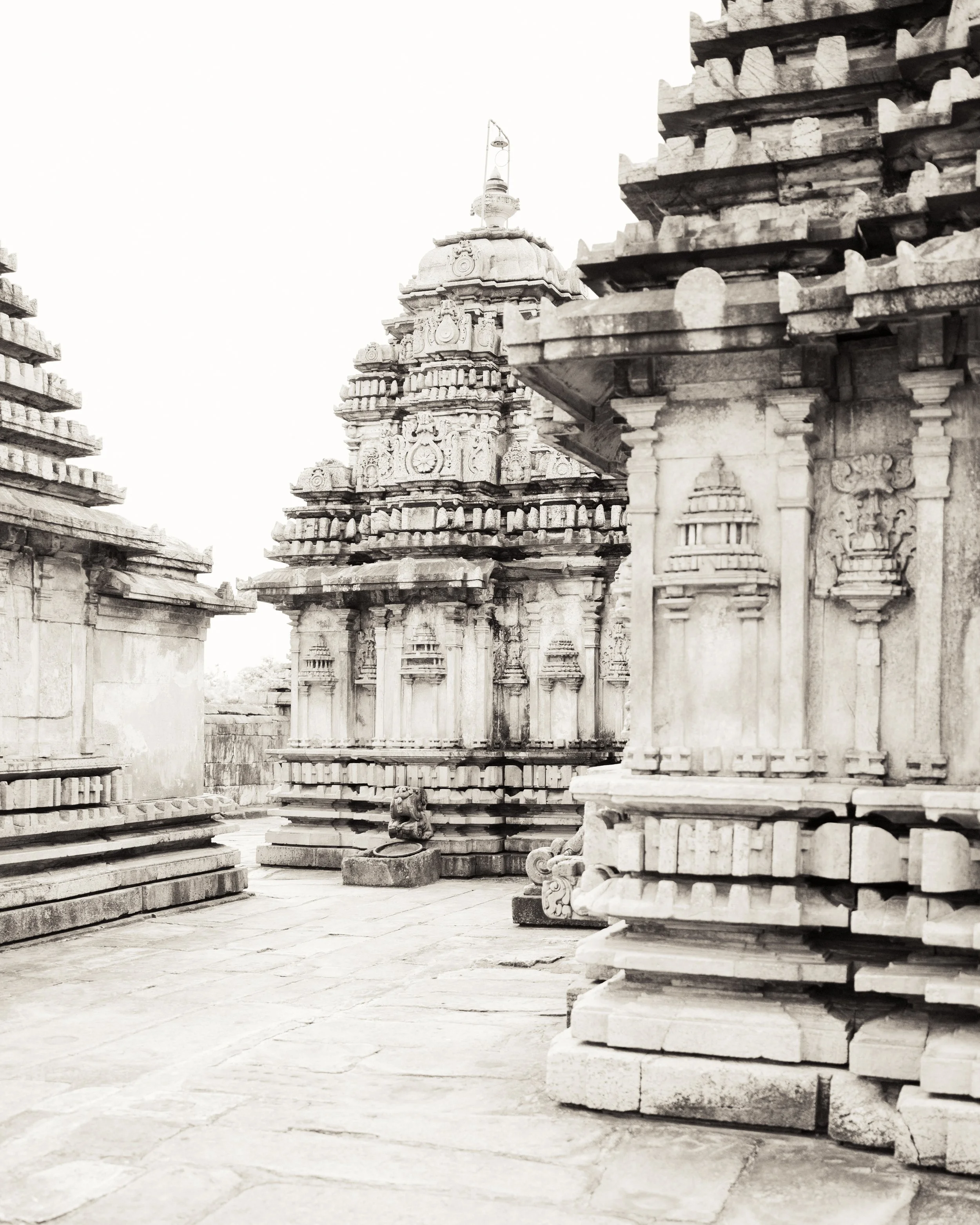
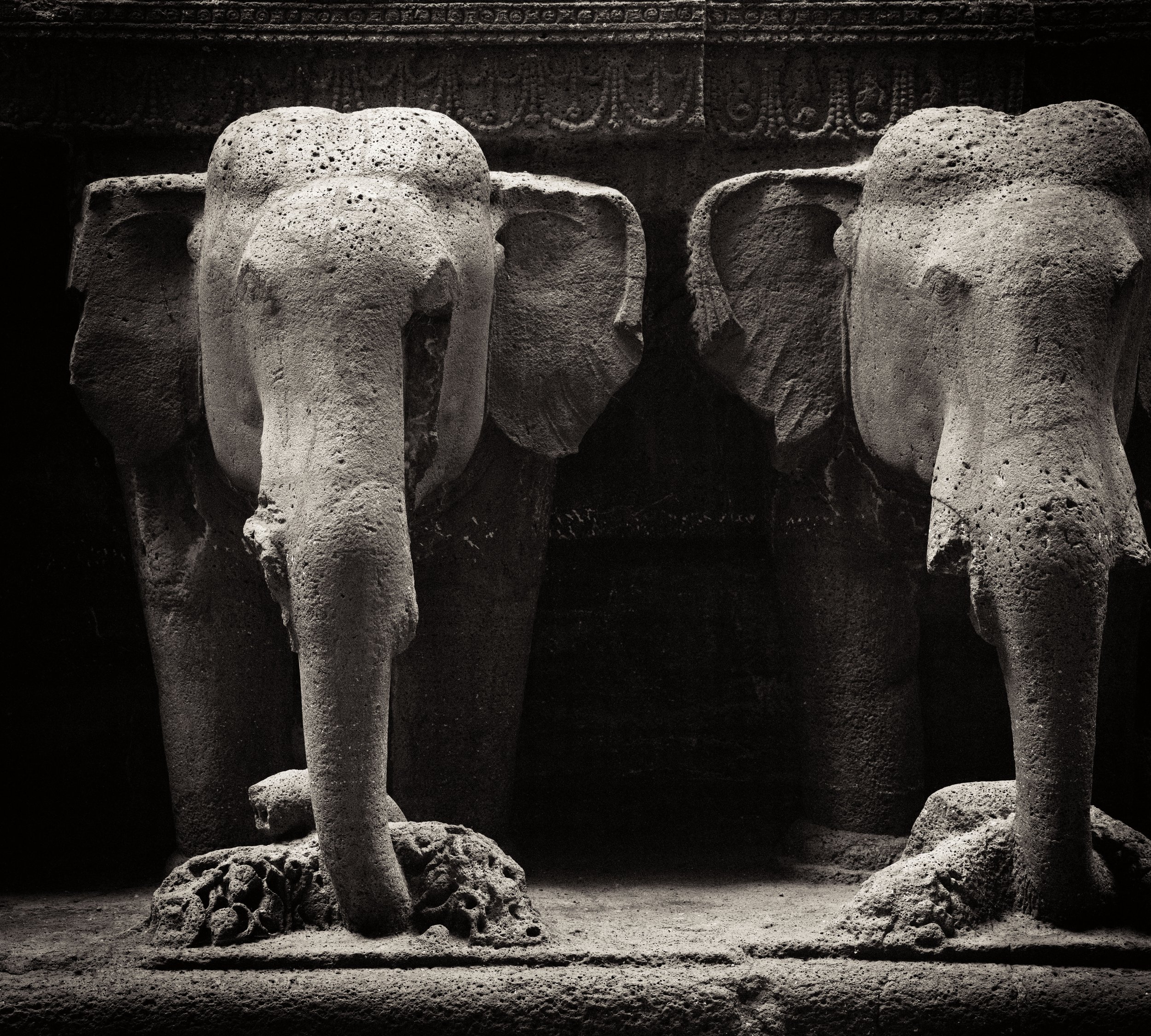
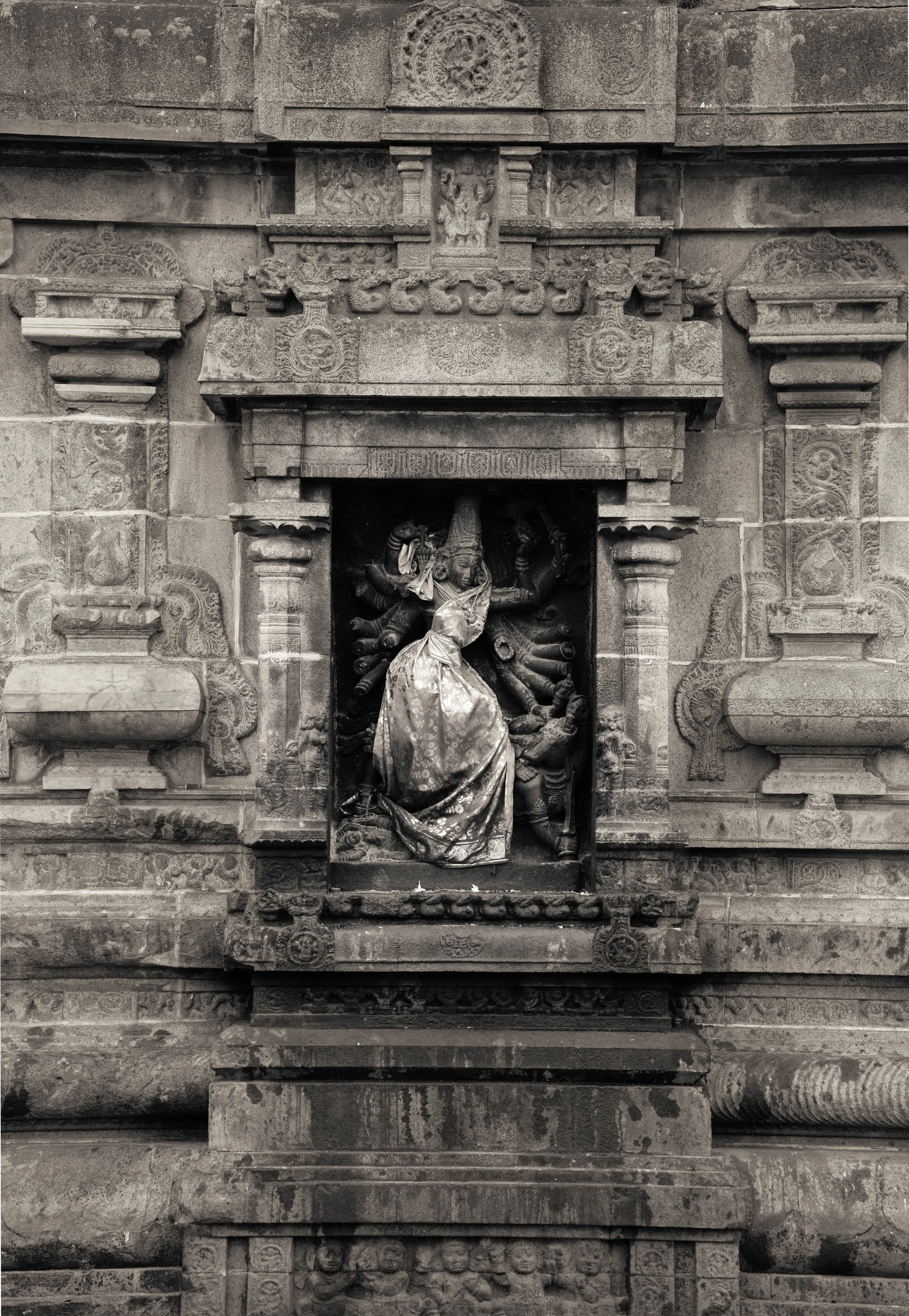
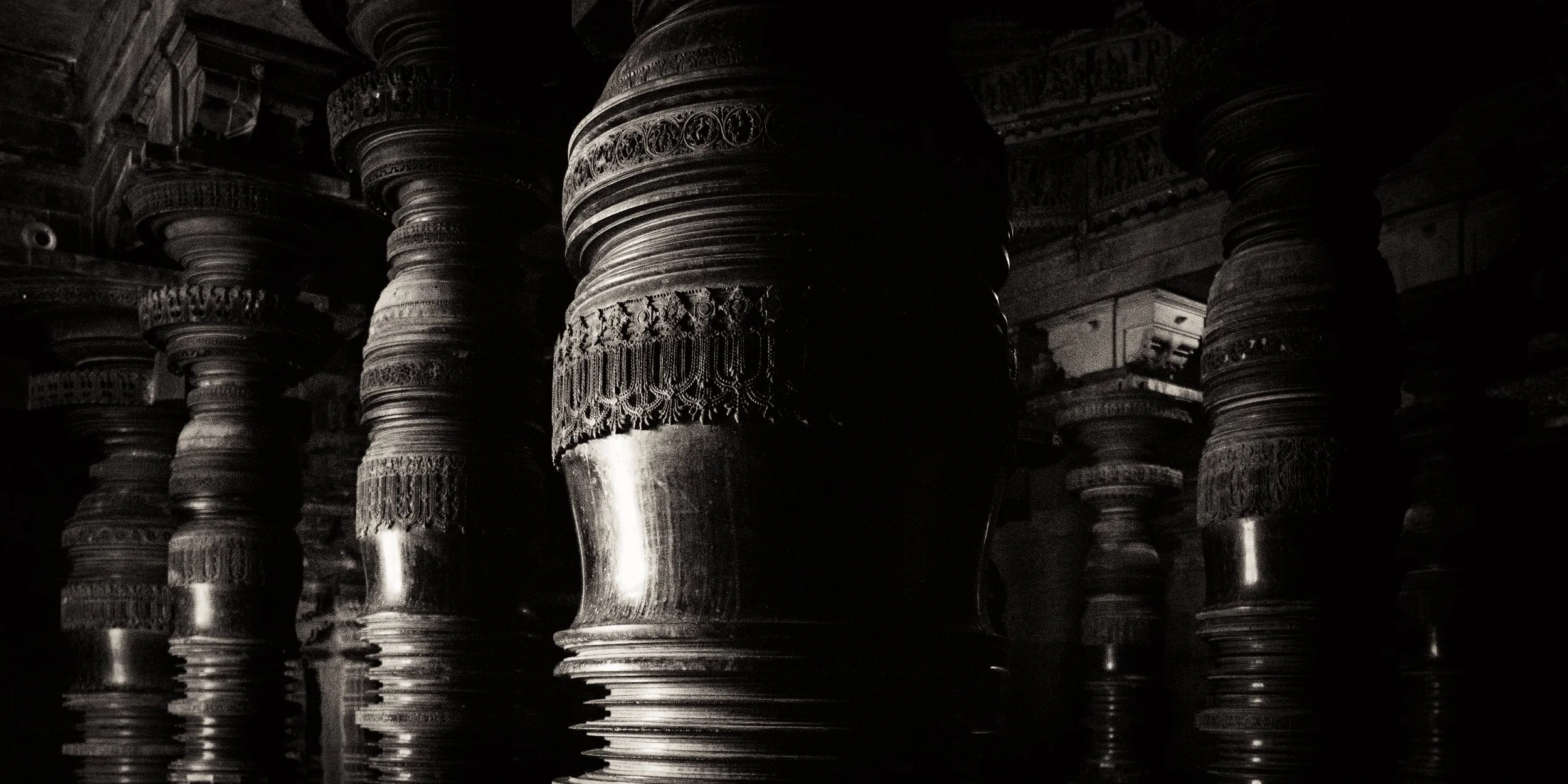
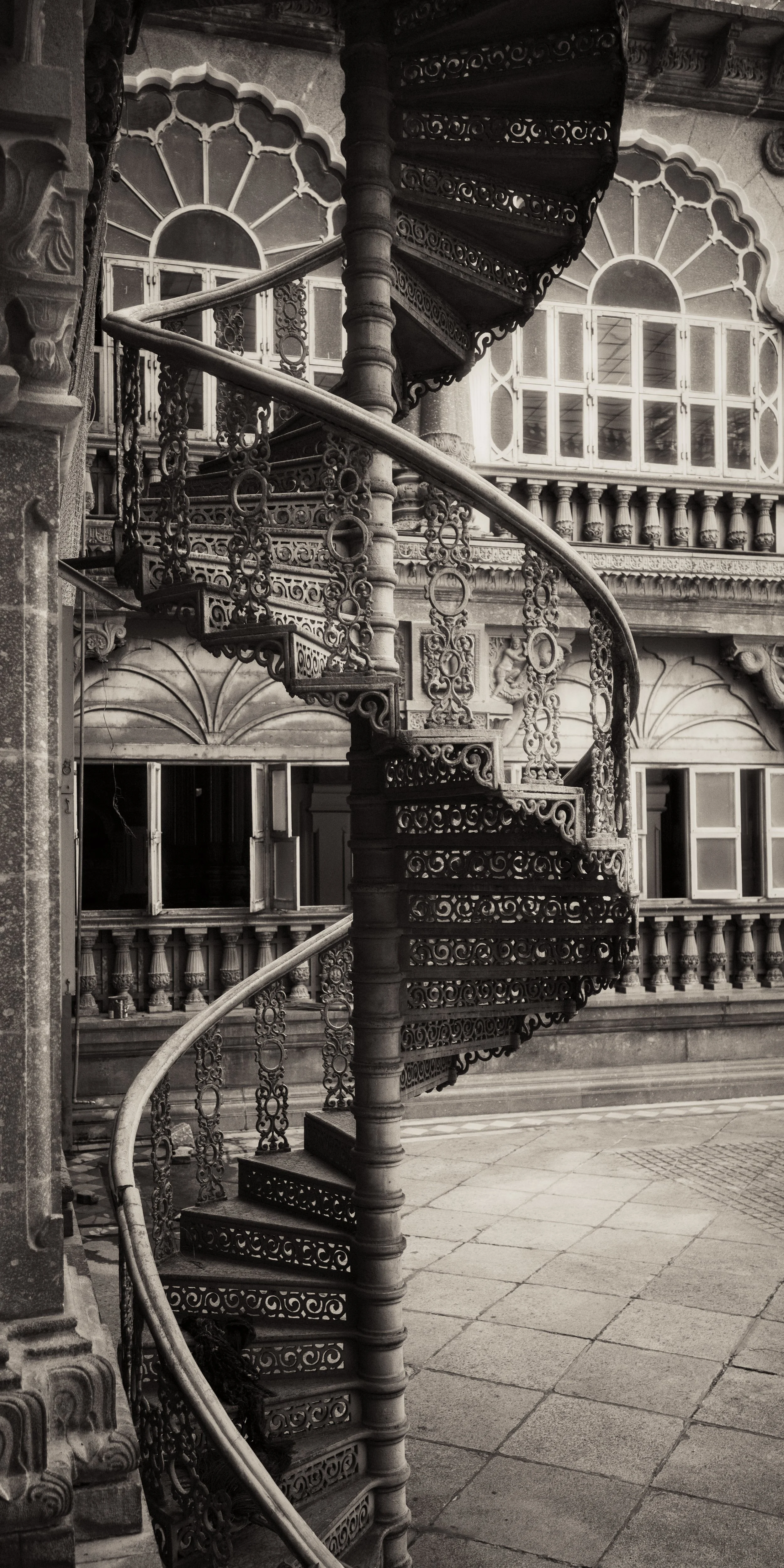
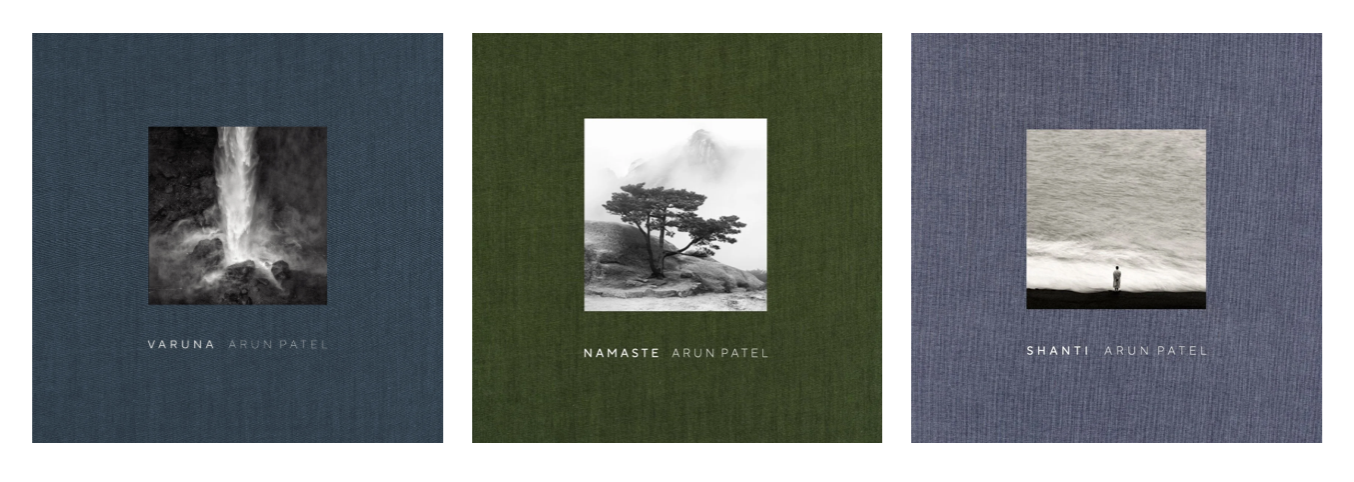
Photography became a passion about a decade ago, nurtured by family, mentors, and a growing fascination with landscapes, portraits, and architecture. That passion produced three books, SHANTI, NAMASTE, and VARUNA. Influenced by Asian landscape art, the images in these books are black and white, minimalist, and give the primary subject empty space to breathe and speak softly.
India and Ancient Architecture
My first encounter with ancient architecture was at Angkor Wat in Cambodia. Captivated, I determined to return. But then an Instagram Reel entitled Most Indians Know Very Little of India changed that plan: Sadhguru, the founder of the Isha Foundation discussed India's deep and largely forgotten history of ancient architecture, concluding, "these structures are unmatched in the world!"
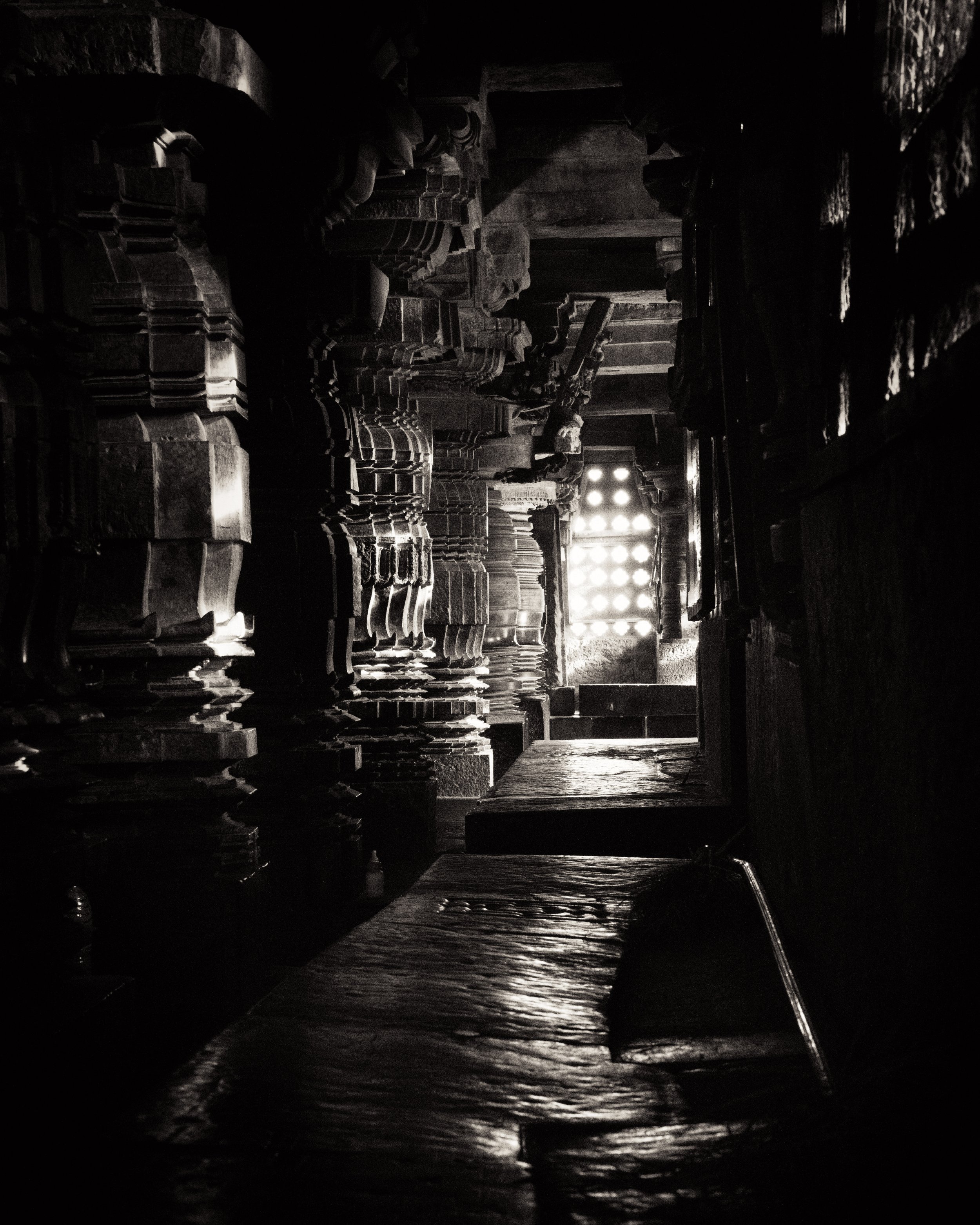
Instead of returning to Angkor Wat, I knew I needed to return to India: to see, experience, and photograph the places where its spirit developed, where its story began. For if even Indians didn't know much about these ancient sacred and secular places, what chance did immigrants like me, or curious non-Indians, or our children and grandchildren have of understanding India's story? And so began a journey of discovery, back to India and back in time.
Discoveries and Heritage
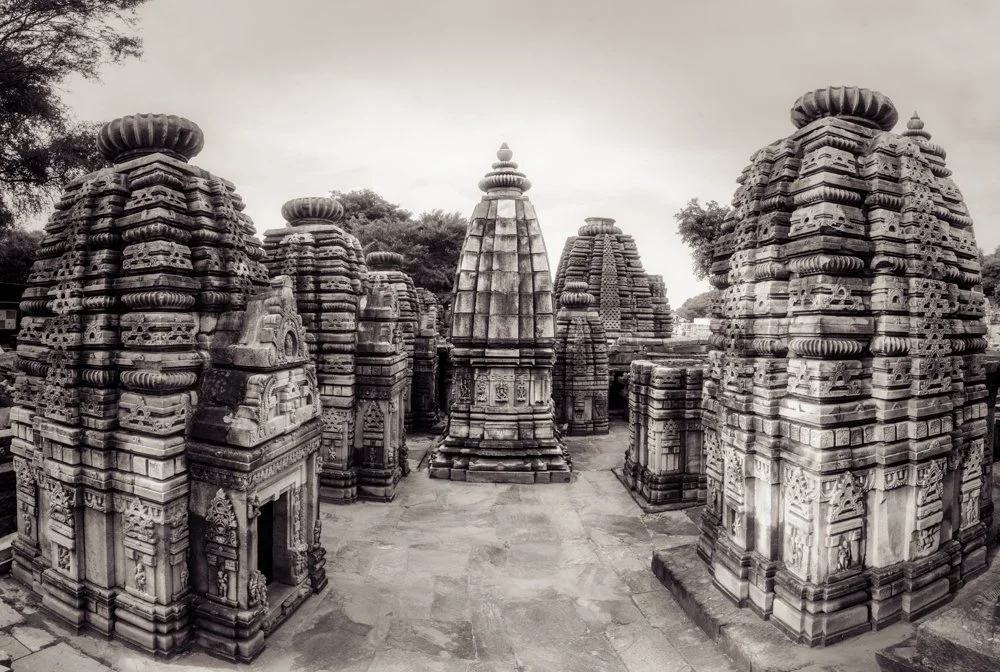
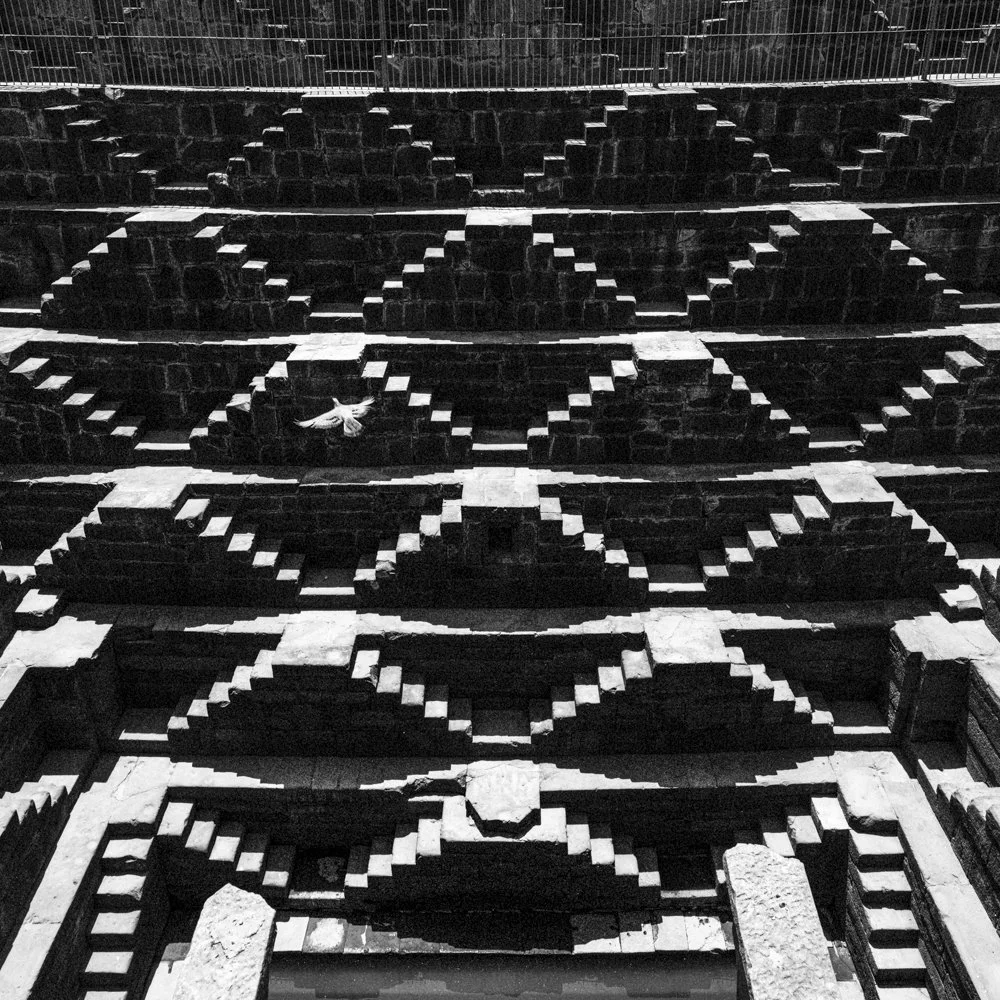
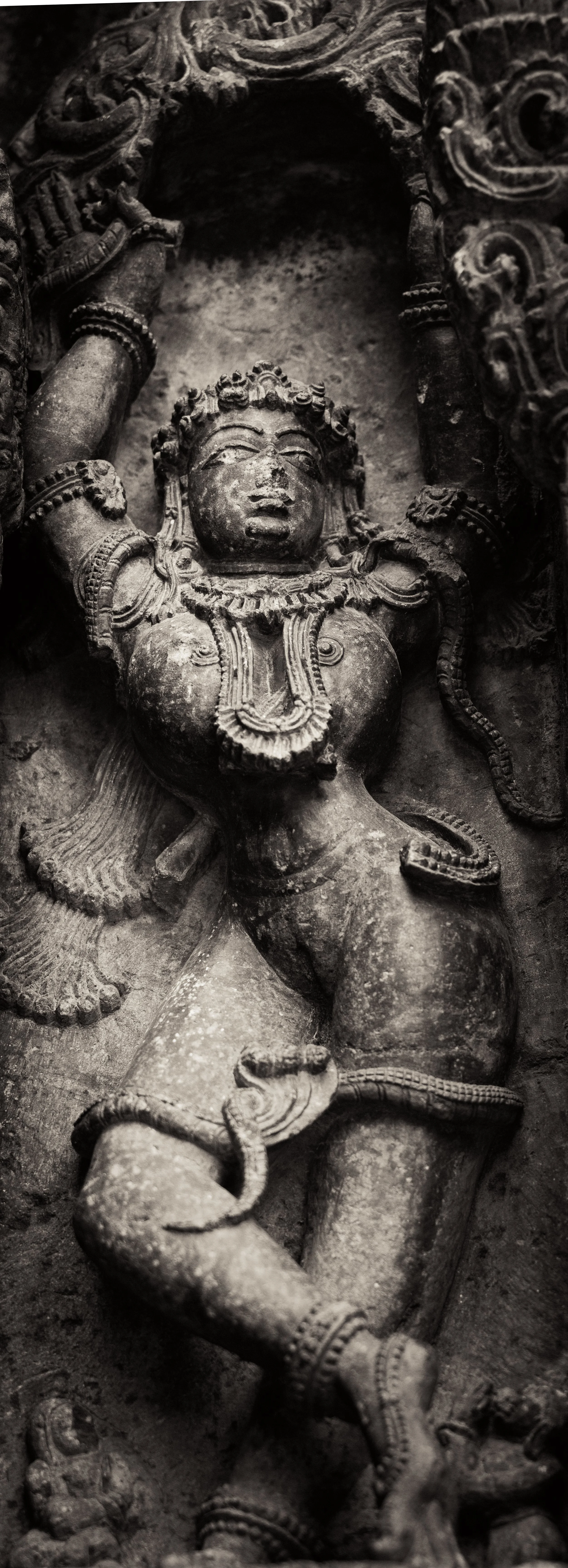
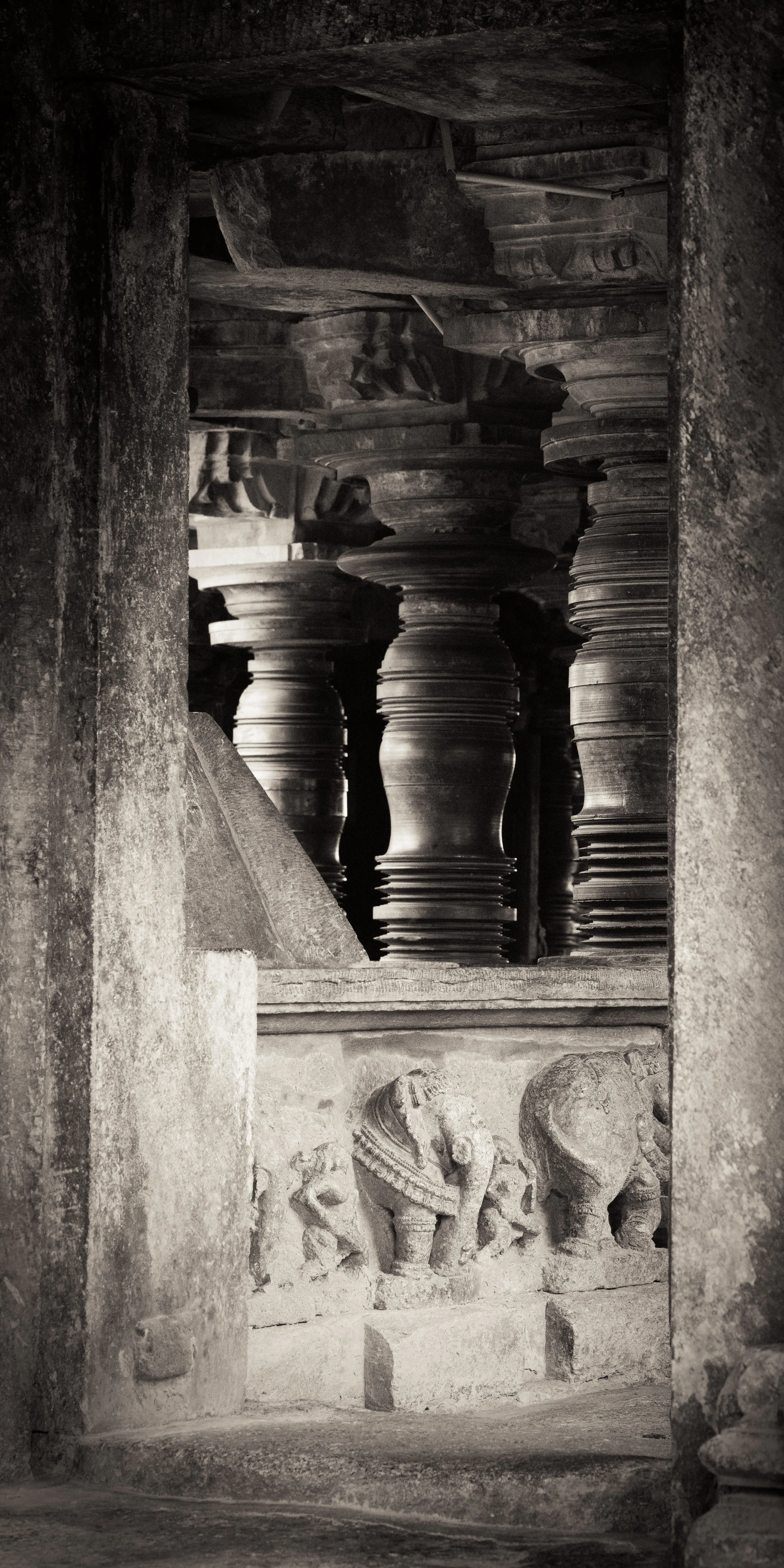
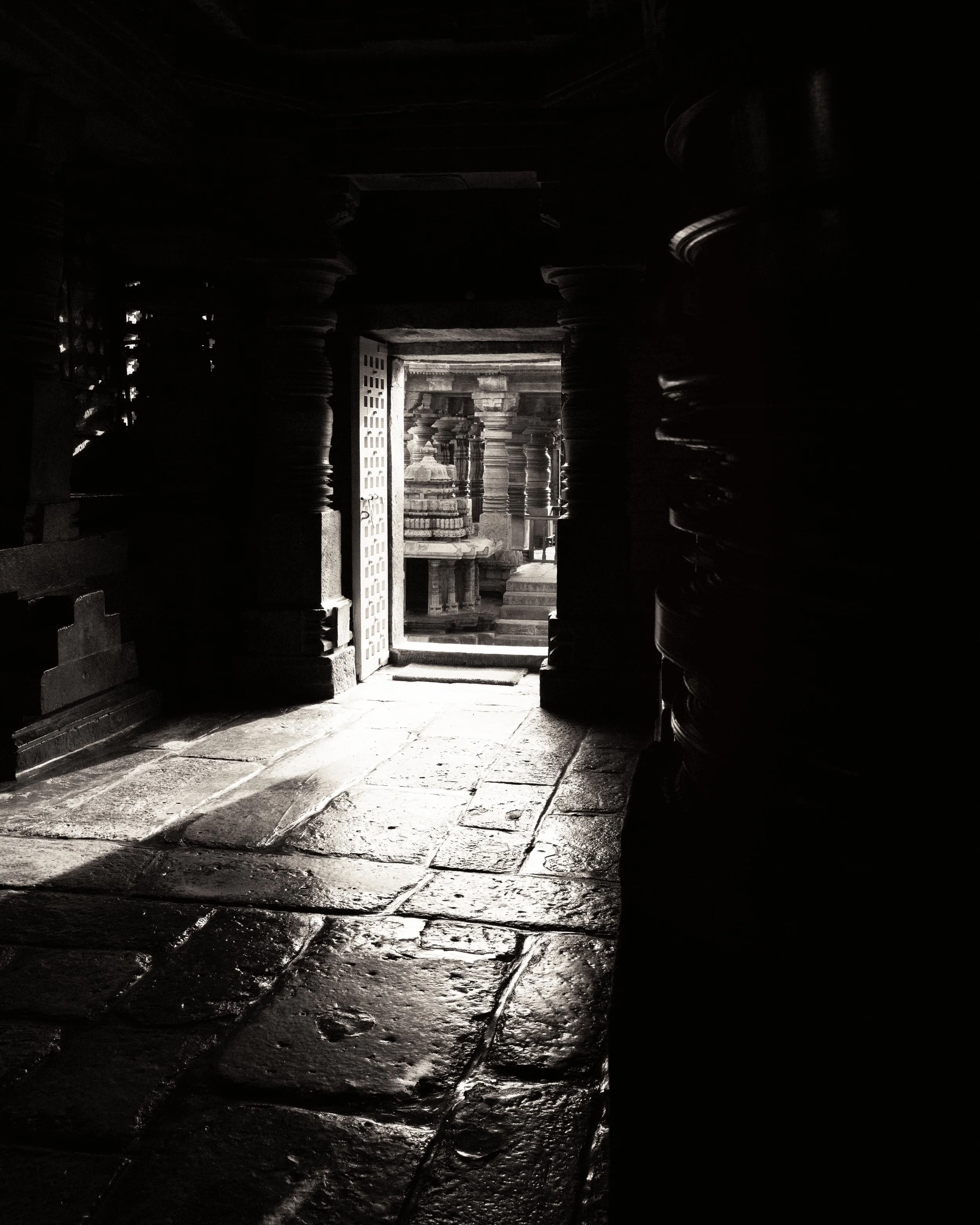
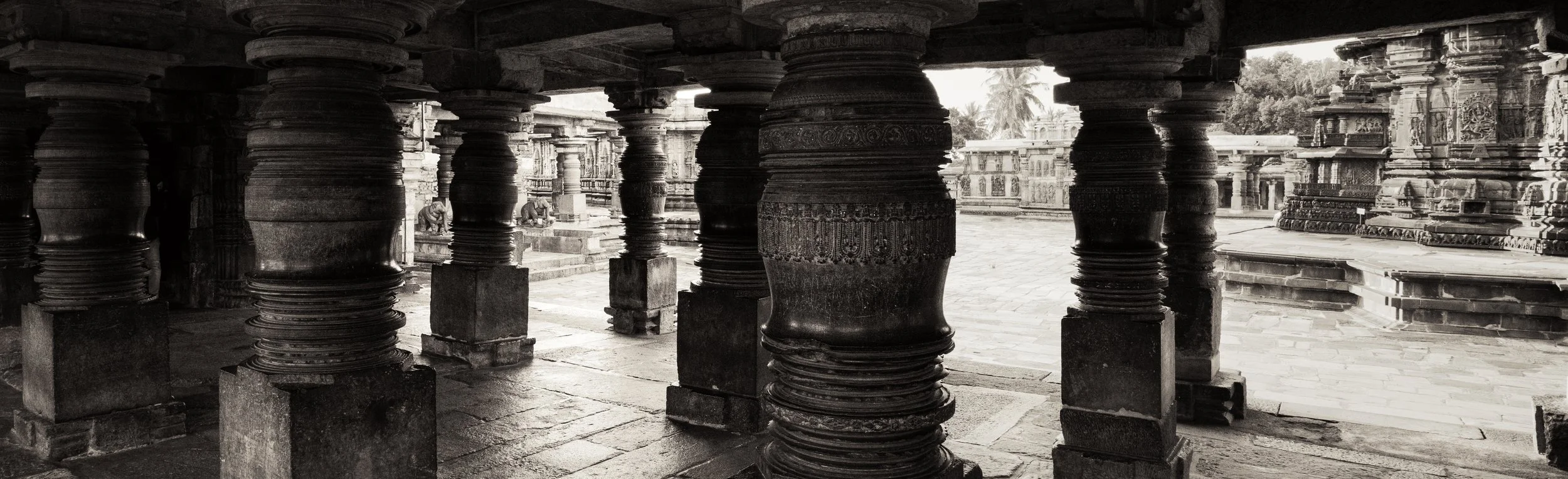
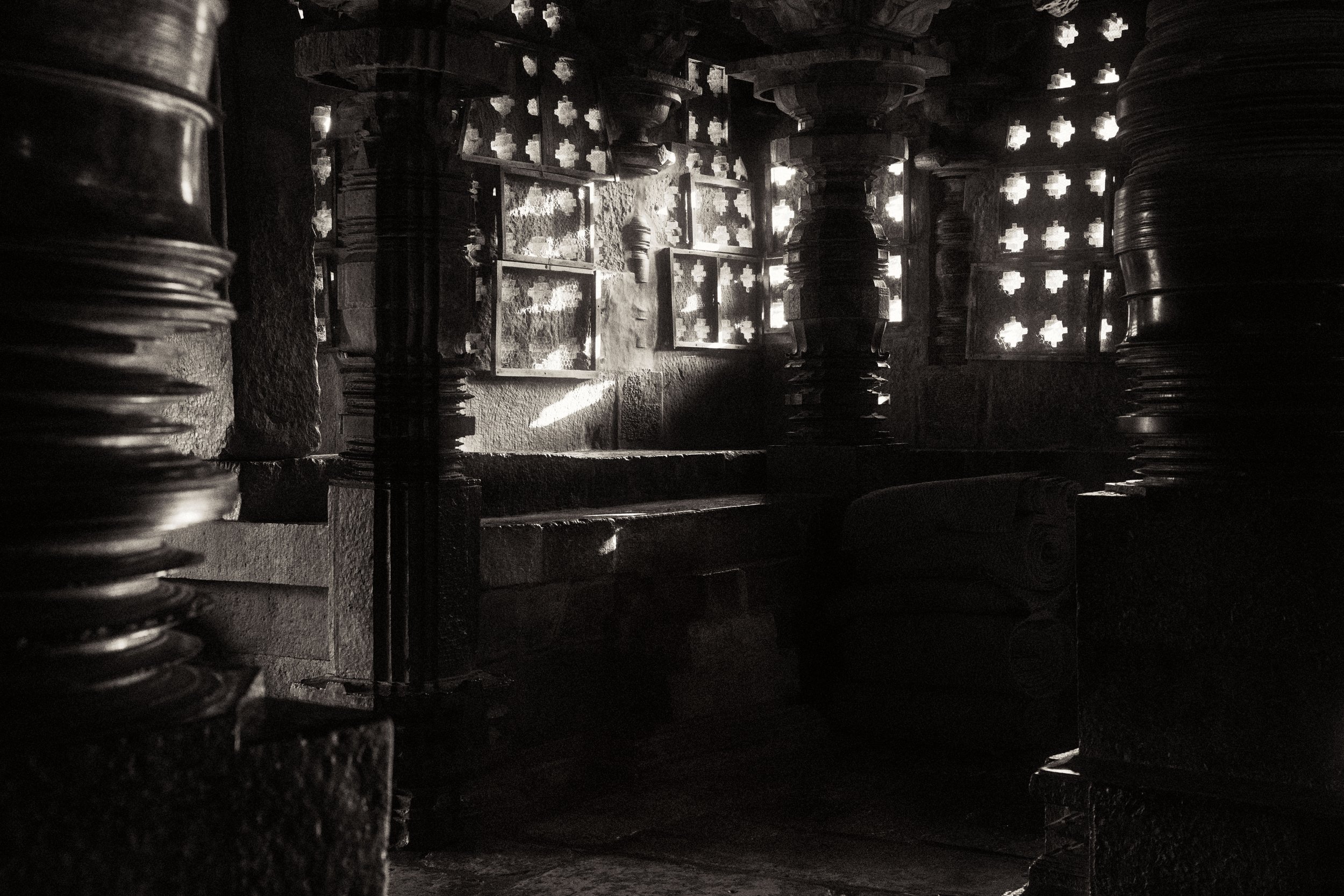
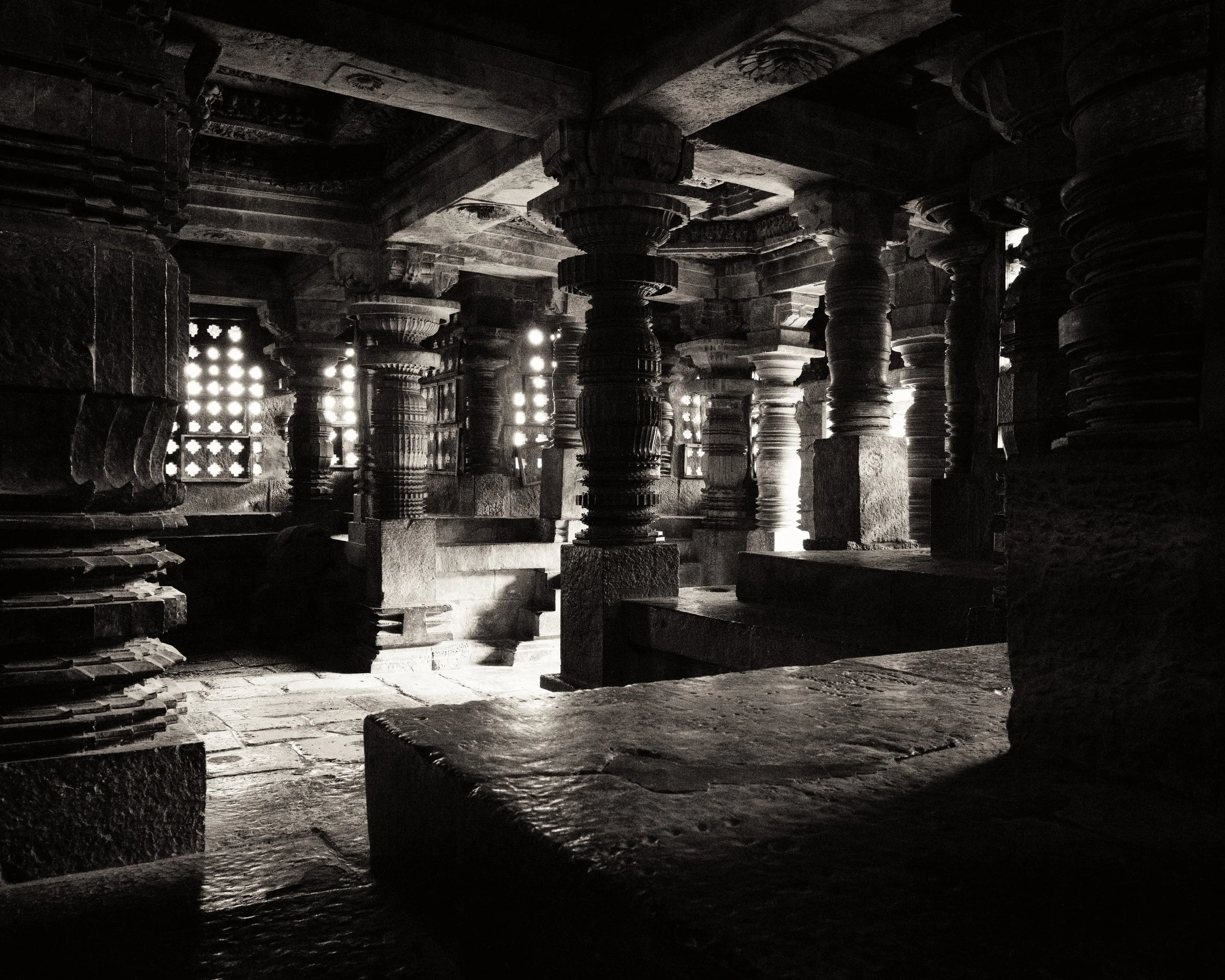
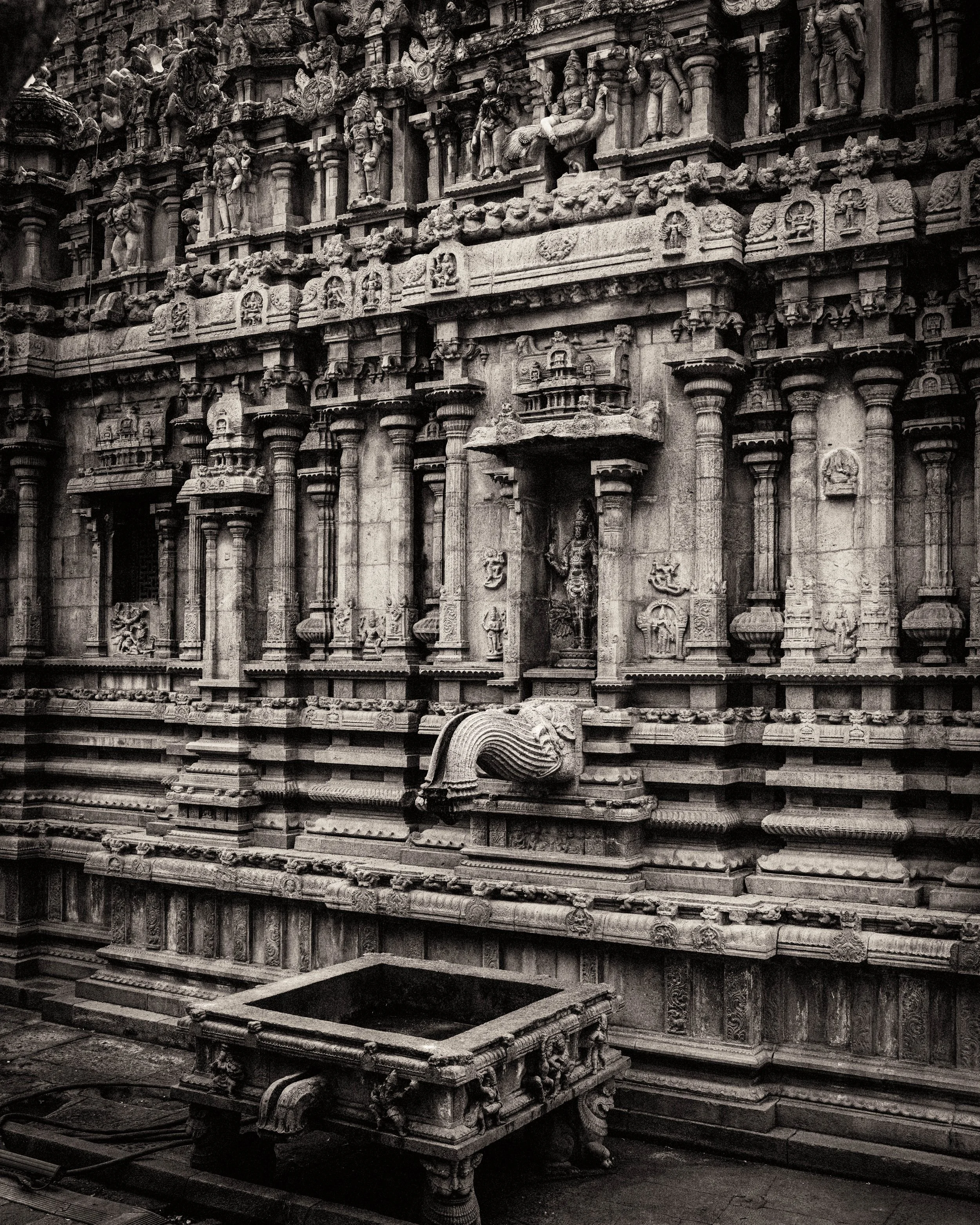
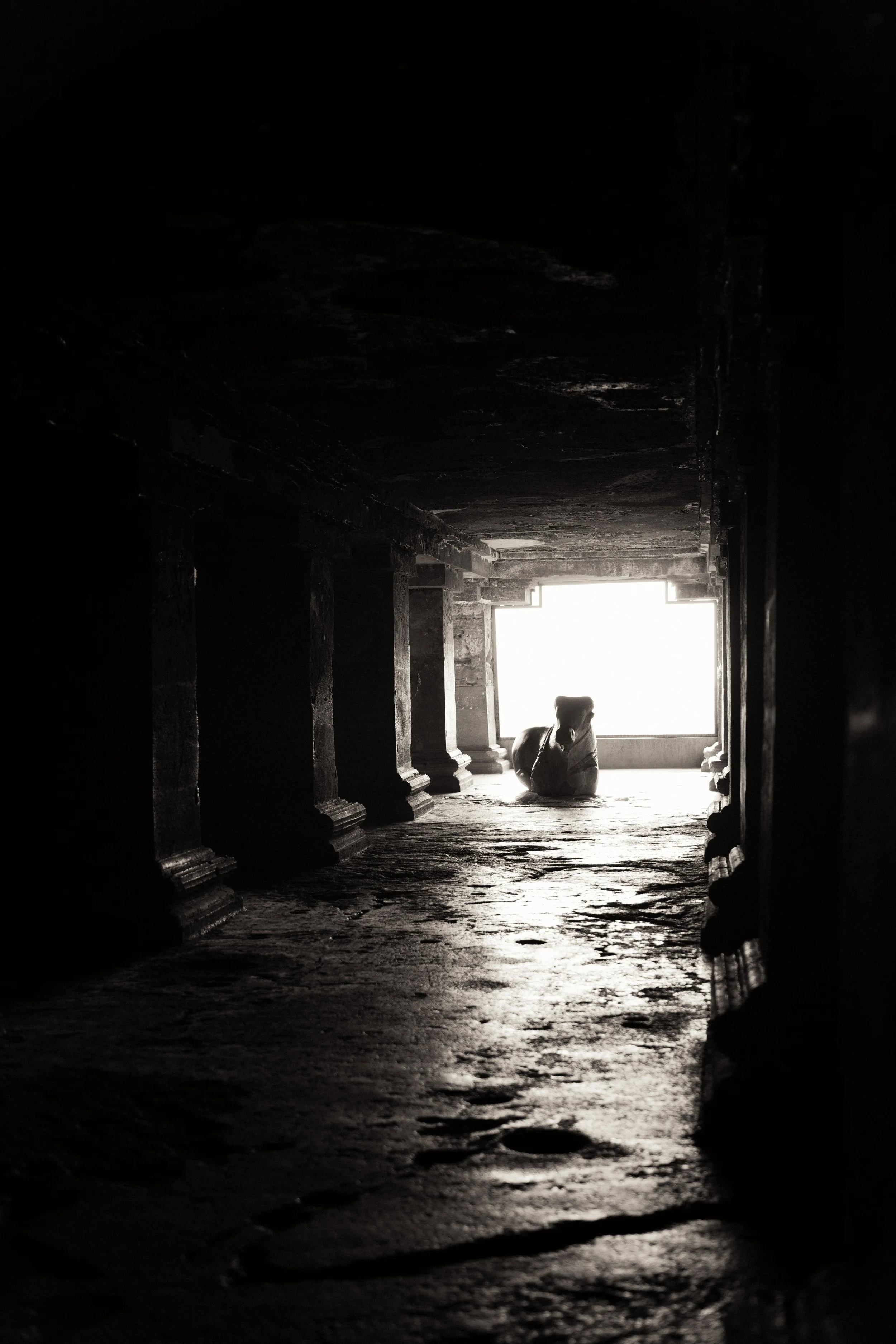
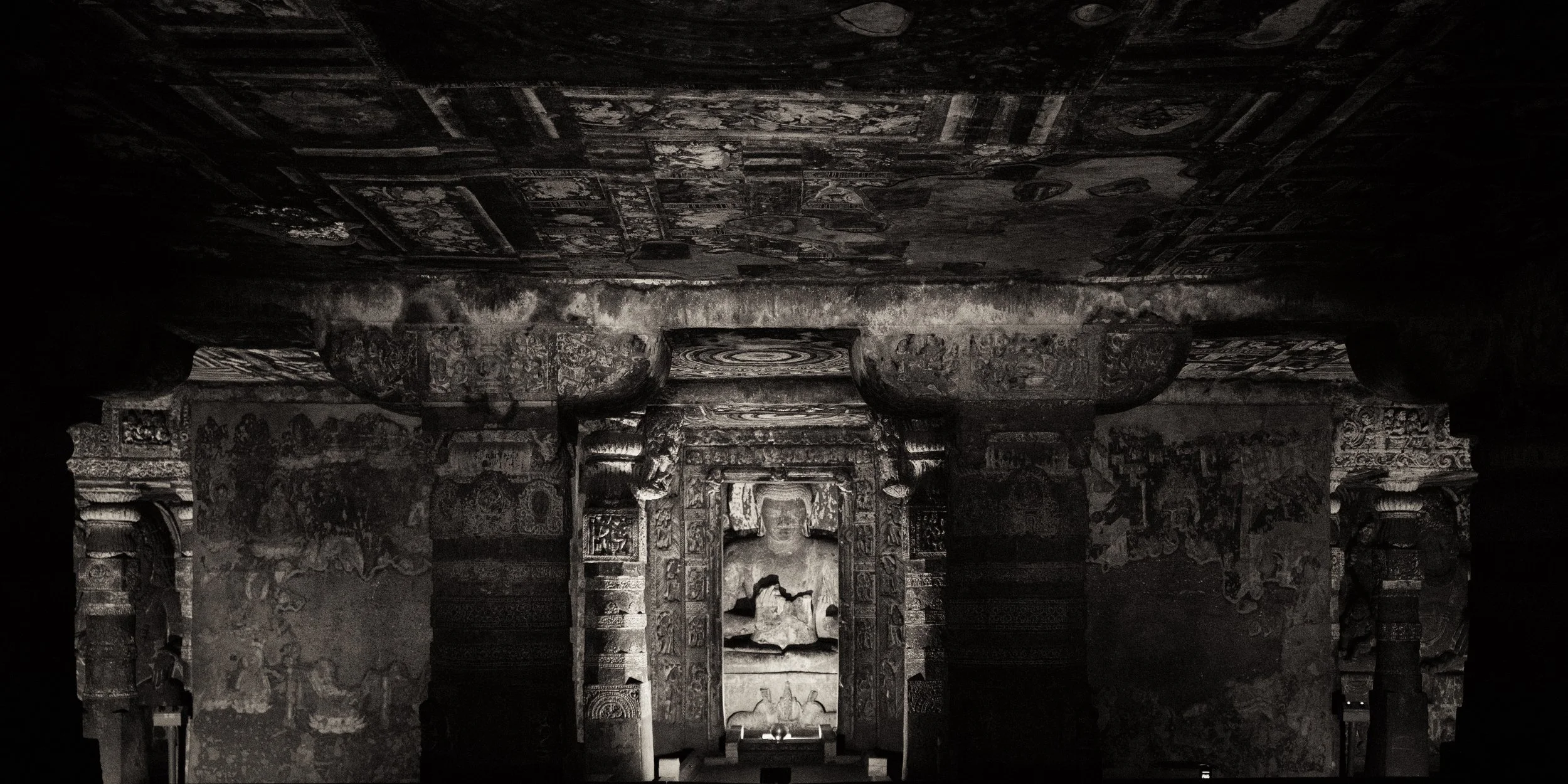
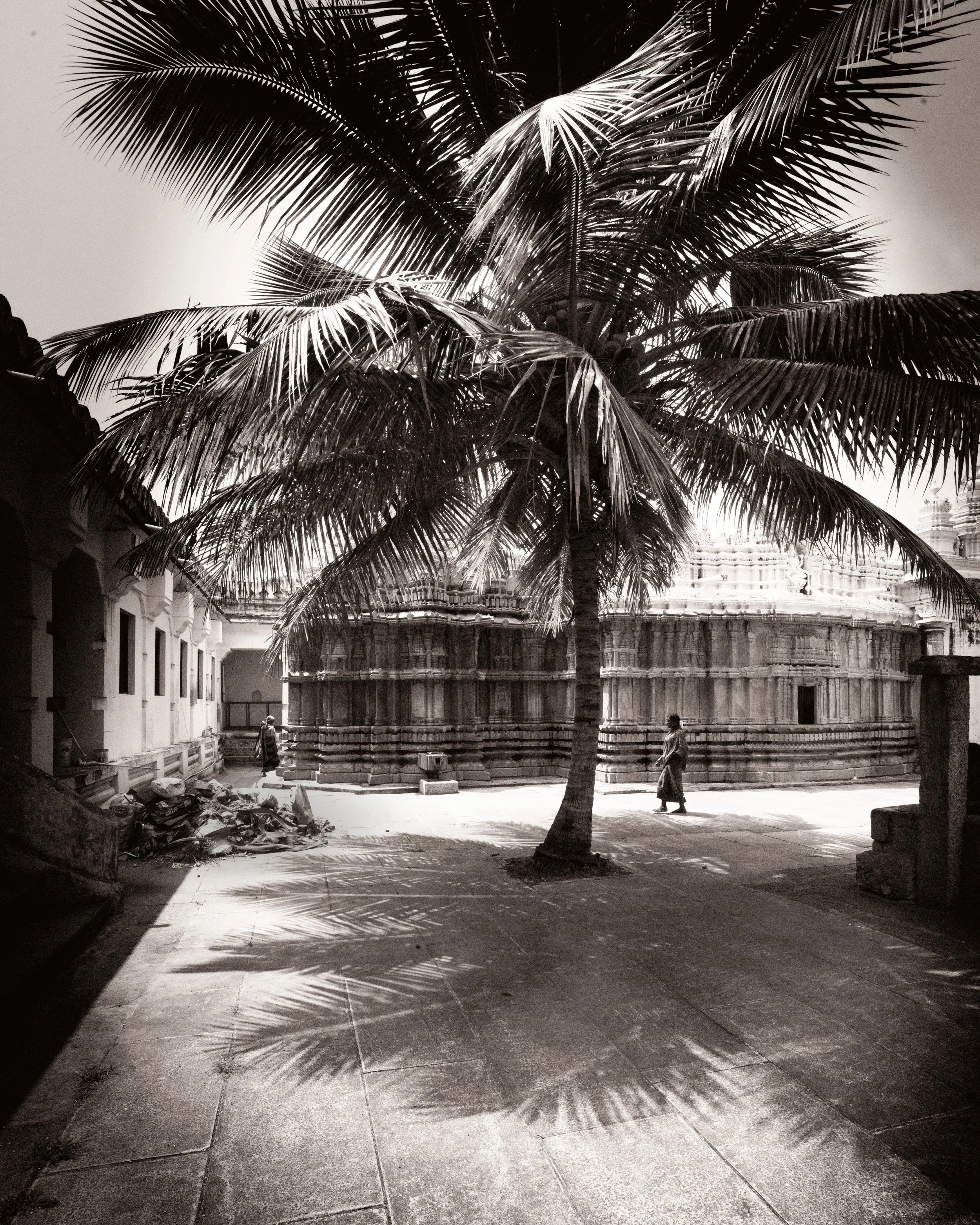
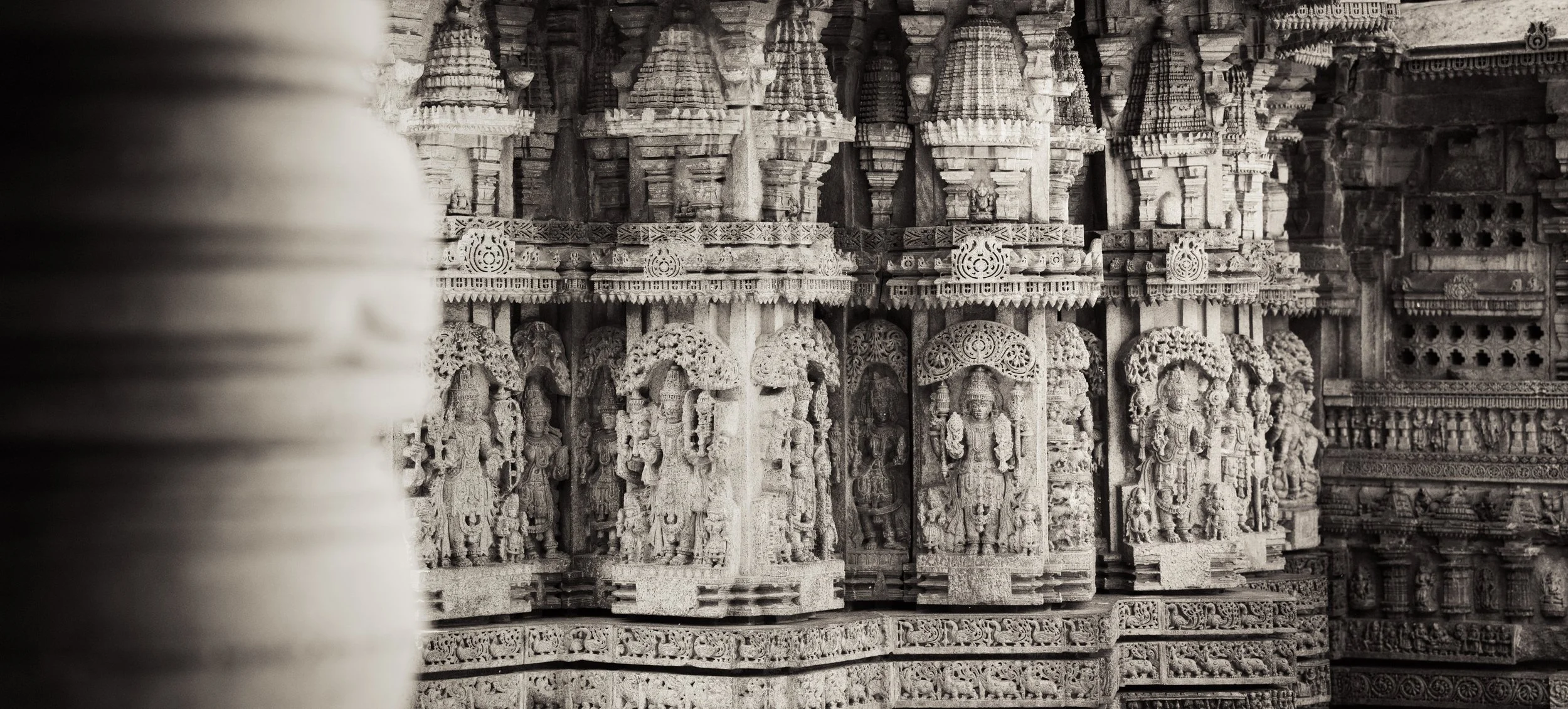
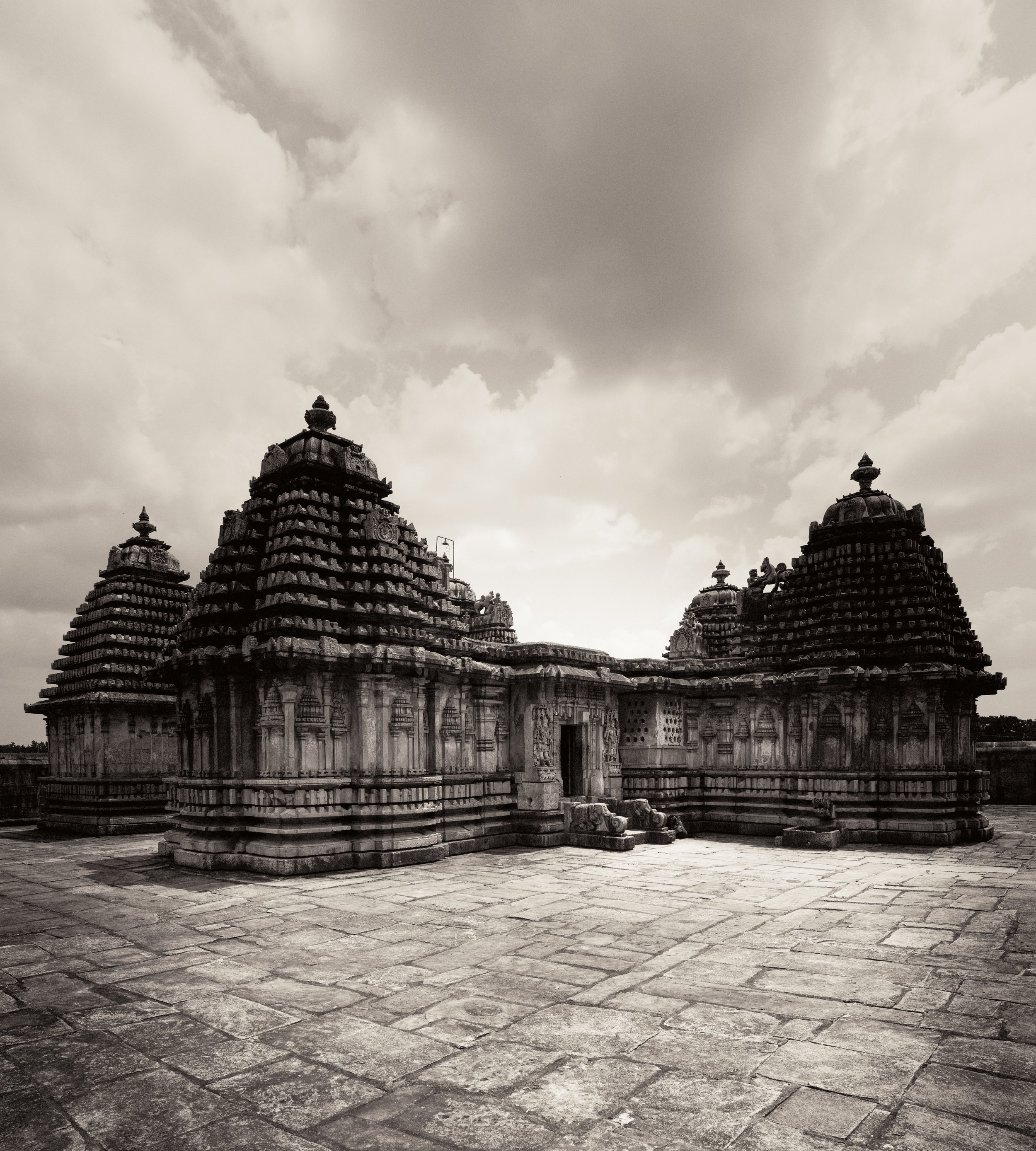
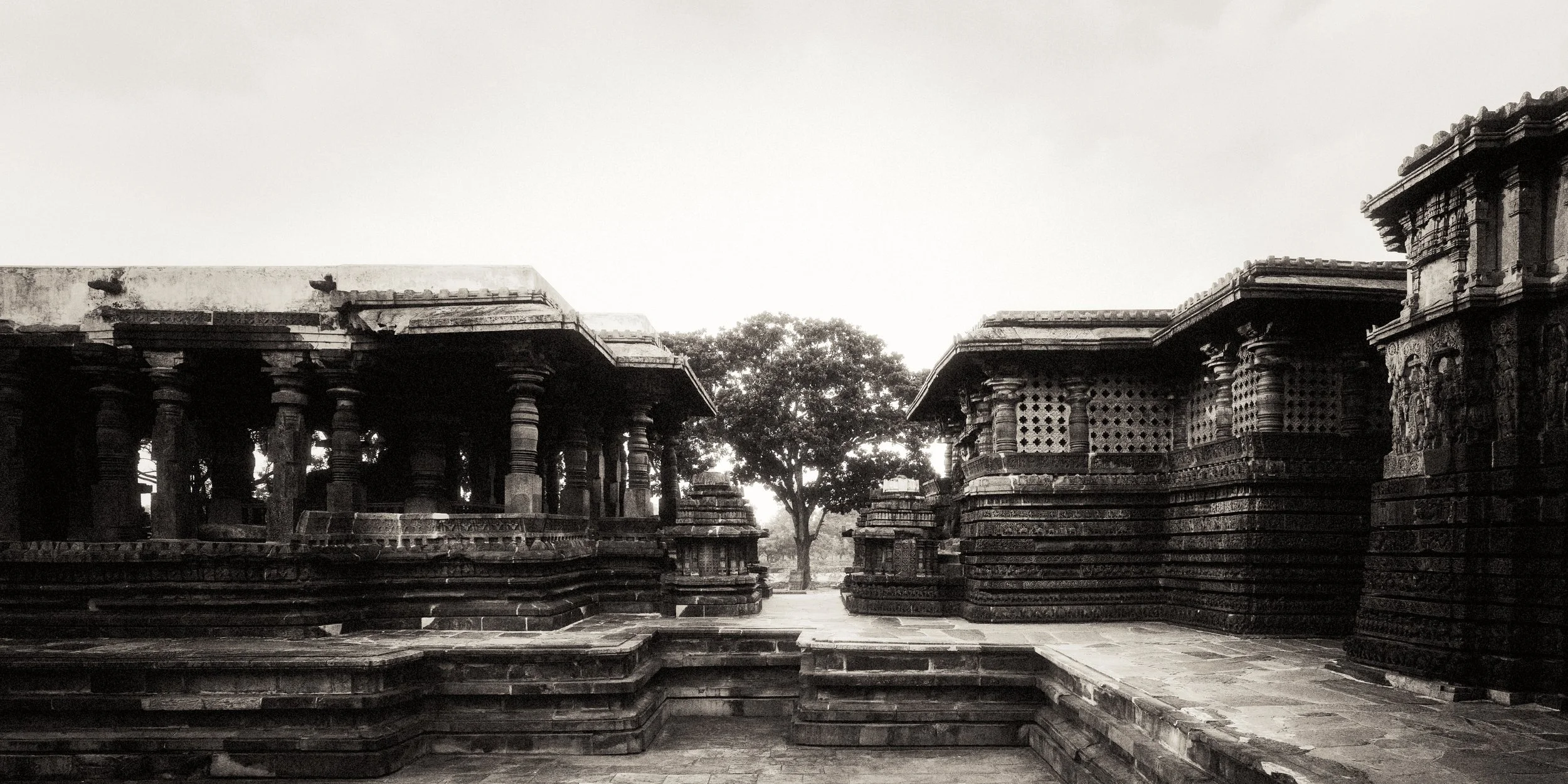
My first trip was to Karnataka, where I walked among the temples at Halebidu, awestruck that places this magnificent could remain so unknown and unheralded. And as I traveled, the irony to be found in exploring elsewhere, when I could have been at the Konarak Sun temple, Rani ki vav, or wandering amongst the ruined temples at Bateswar, was not lost on me. That feeling has repeated itself at site after site since: the Kailash Temple at Ellora, hand-chiseled from a mountainside of basalt and still the largest monolithic rock-cut monument in the world, with an exquisite temple resting on the second floor, “a temple so wondrous that even the gods and the architect were astonished”, is but one example among many; remarkable, largely unvisited, and all but absent from the world's short list of wonders it should rightfully belong to.
India has 44 UNESCO World Heritage Sites as of 2025. Extraordinary as they are, they only begin to scratch the surface of India's cultural heritage. Just as France is more than the Eiffel Tower, and America more than New York City, I intend to present India as more than the Taj Mahal and the Rajasthan circuit.
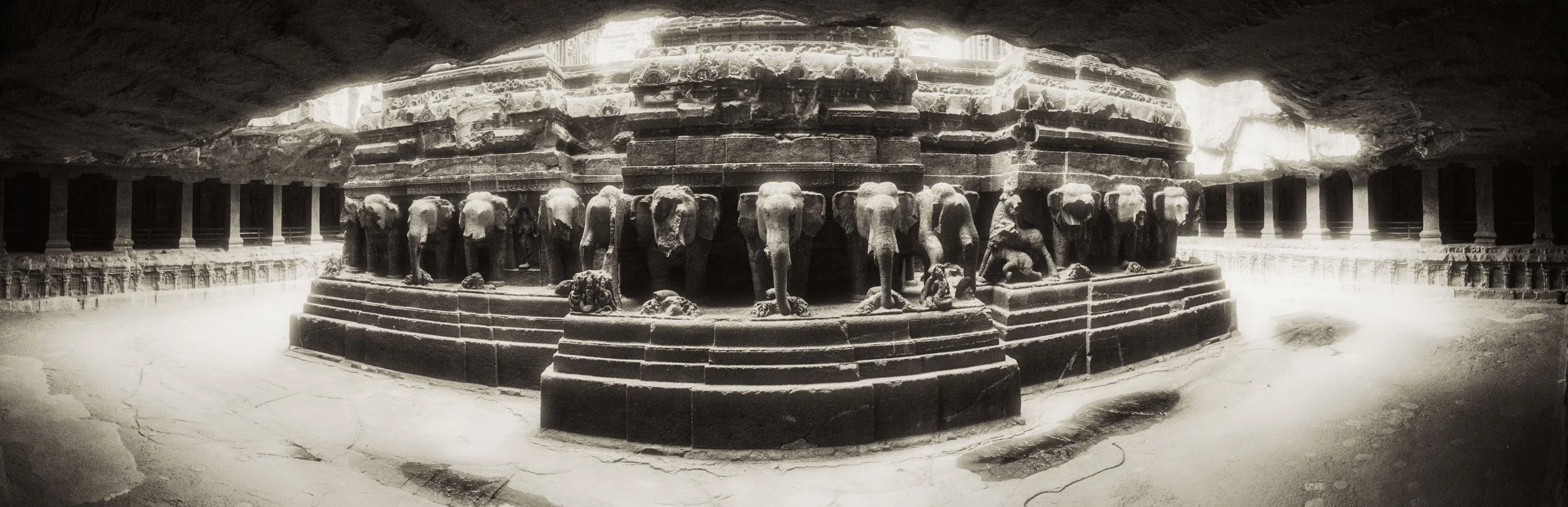
Kailash Temple, Ellora Caves, Maharashtra

Taj Mahal
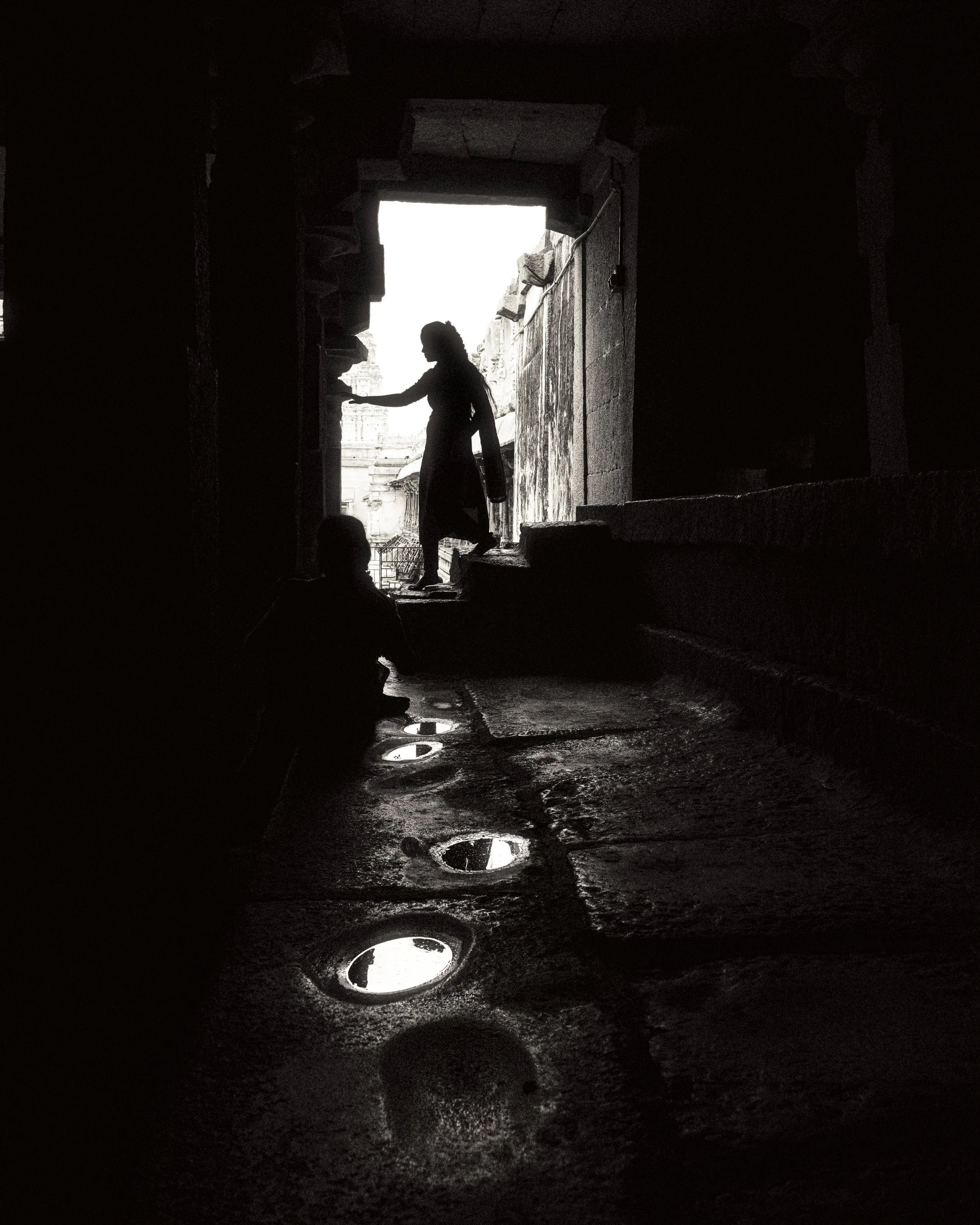
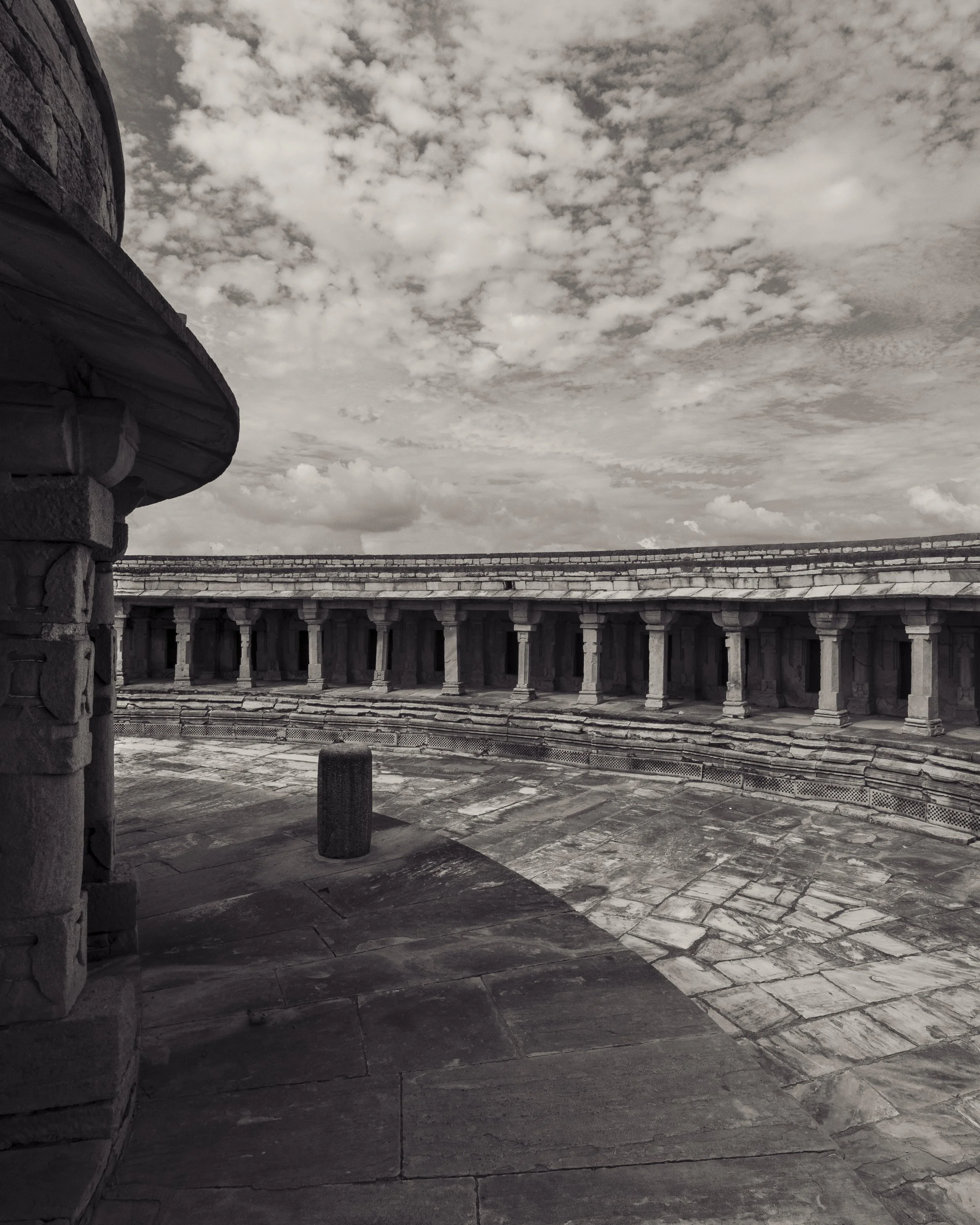
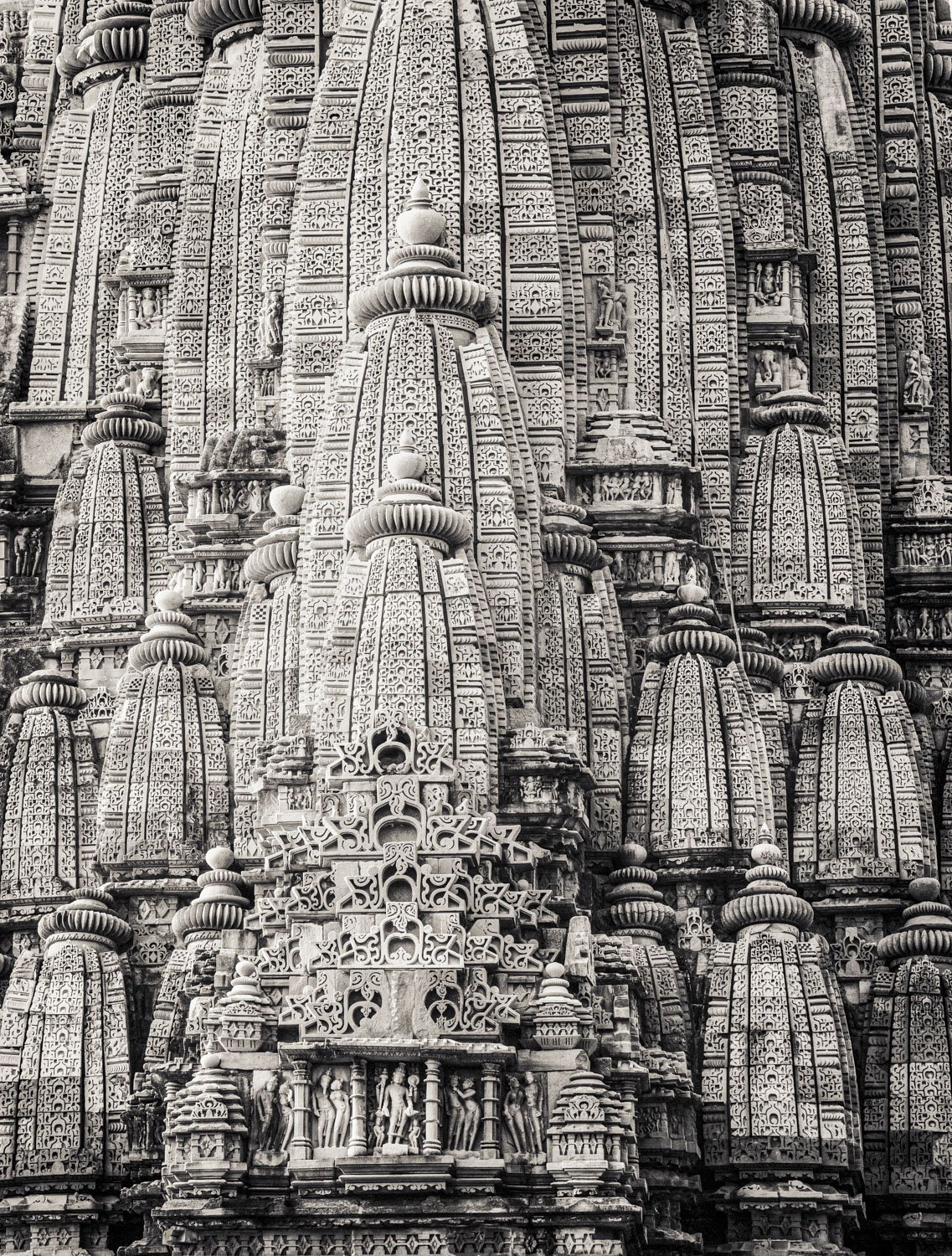
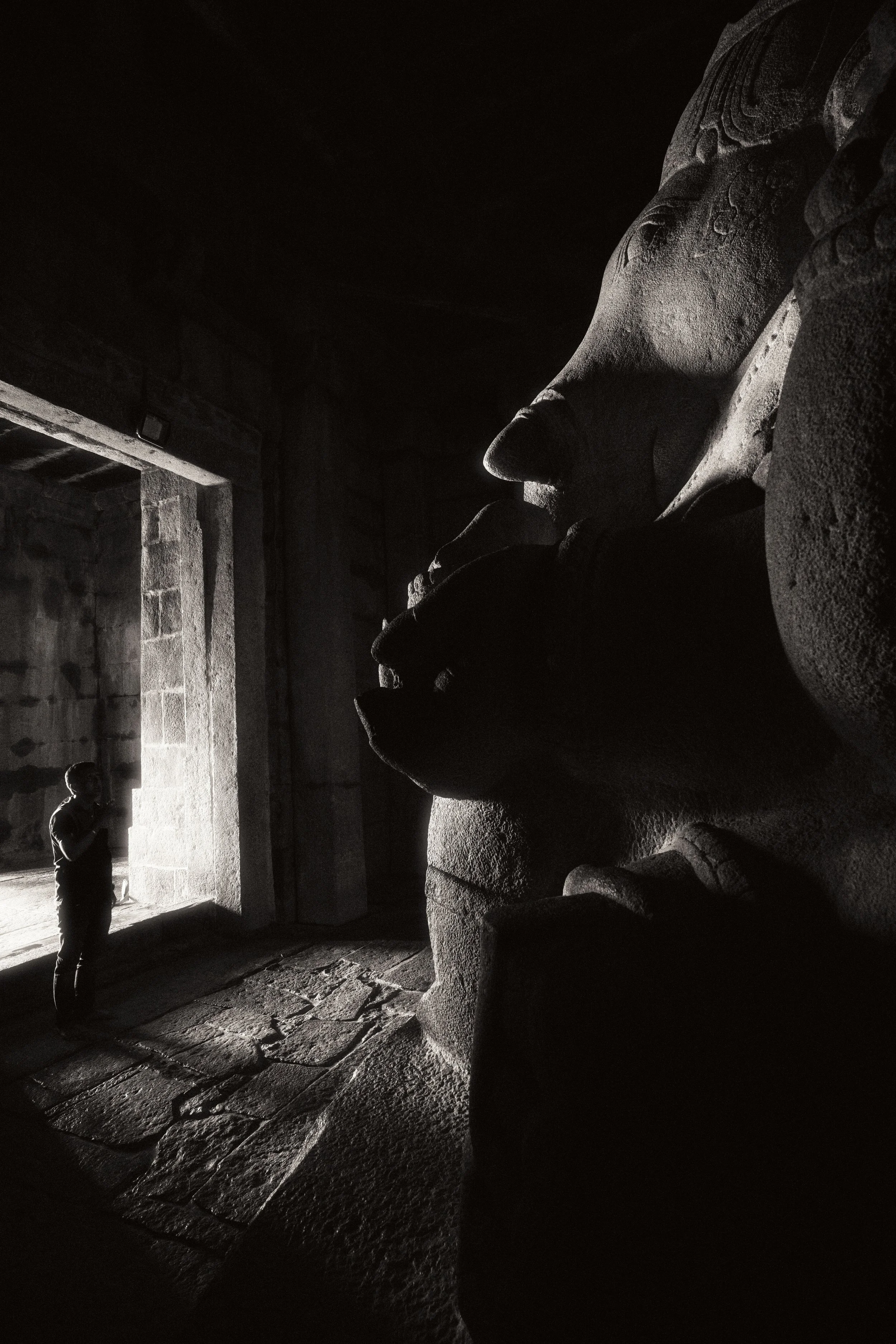
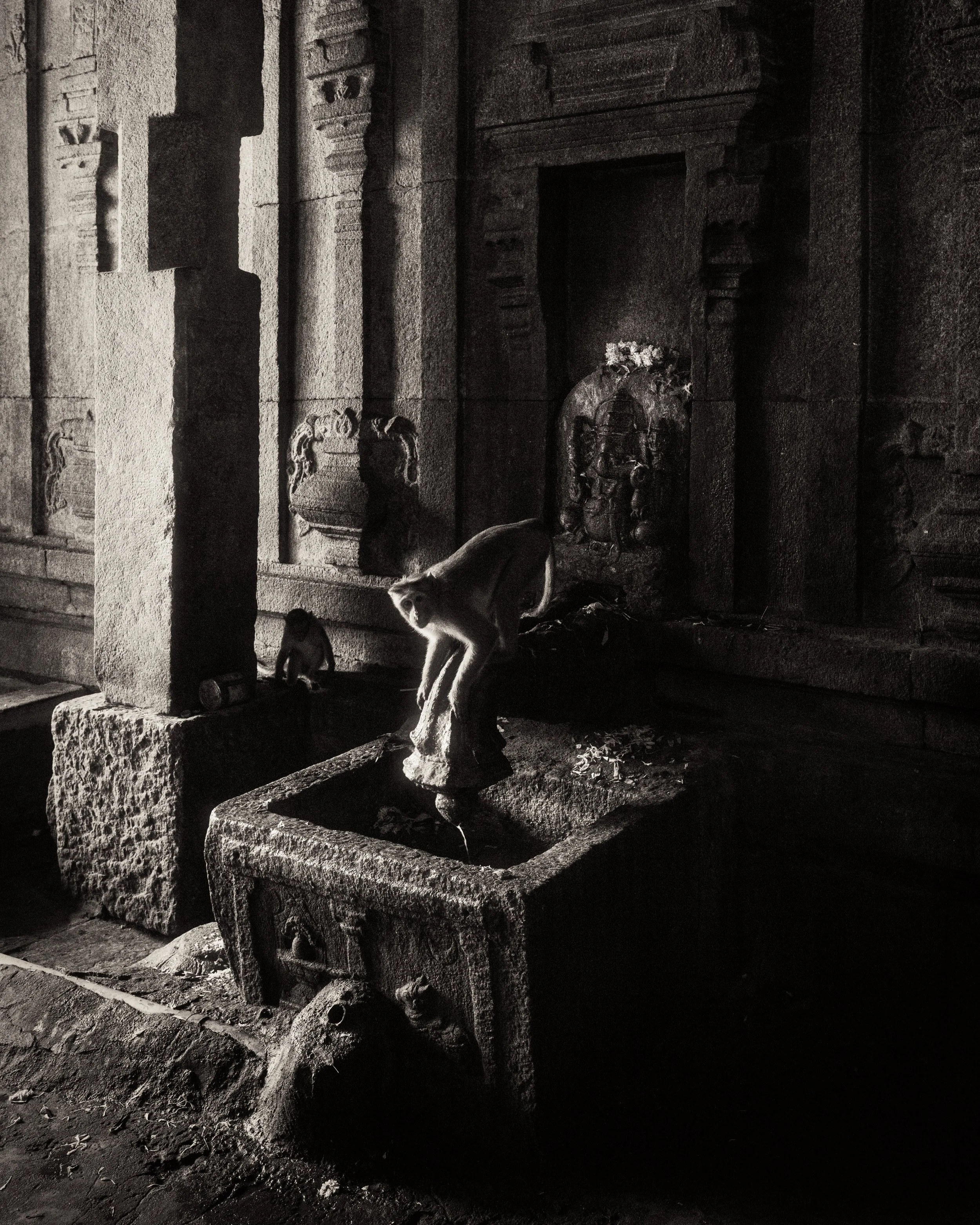
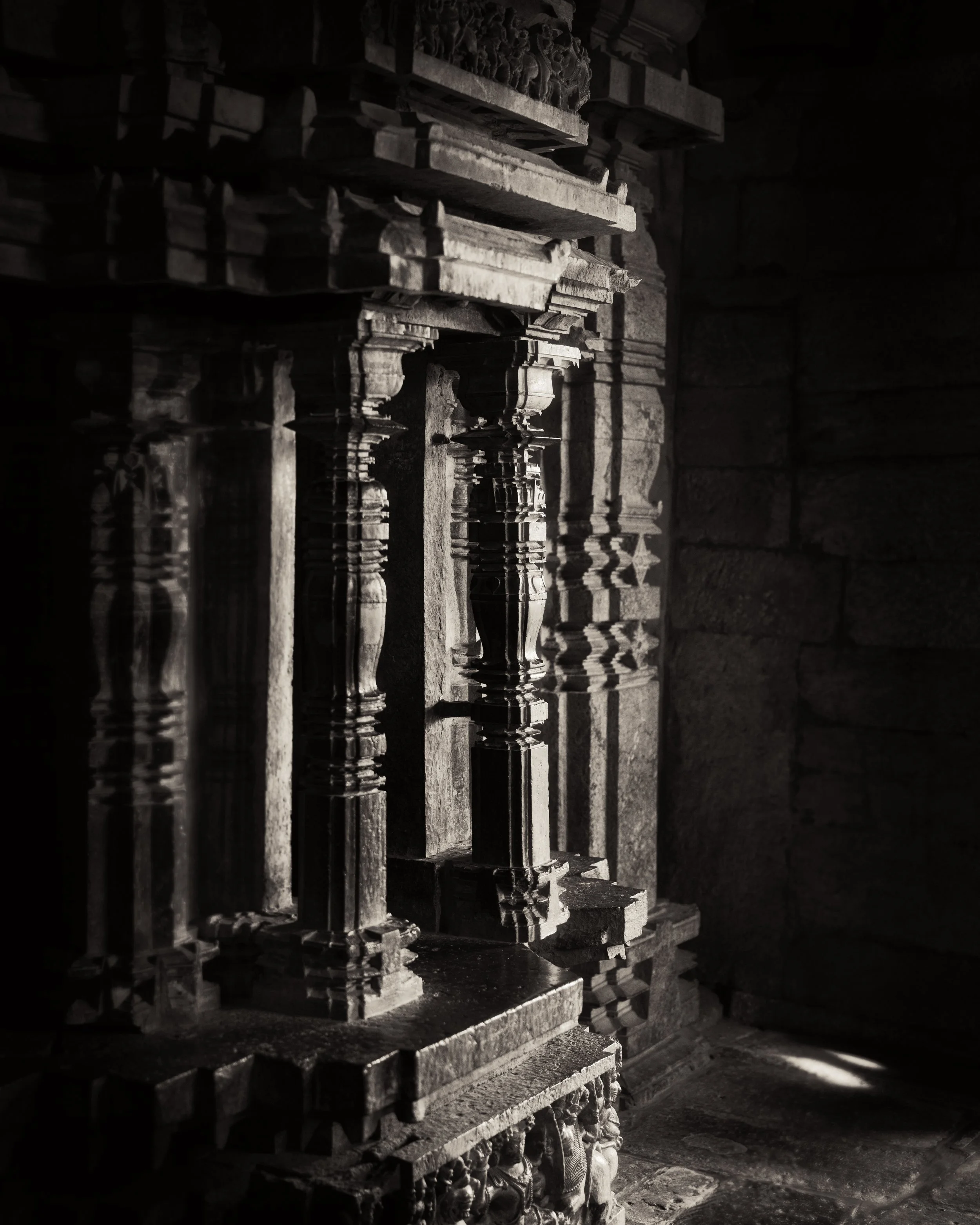
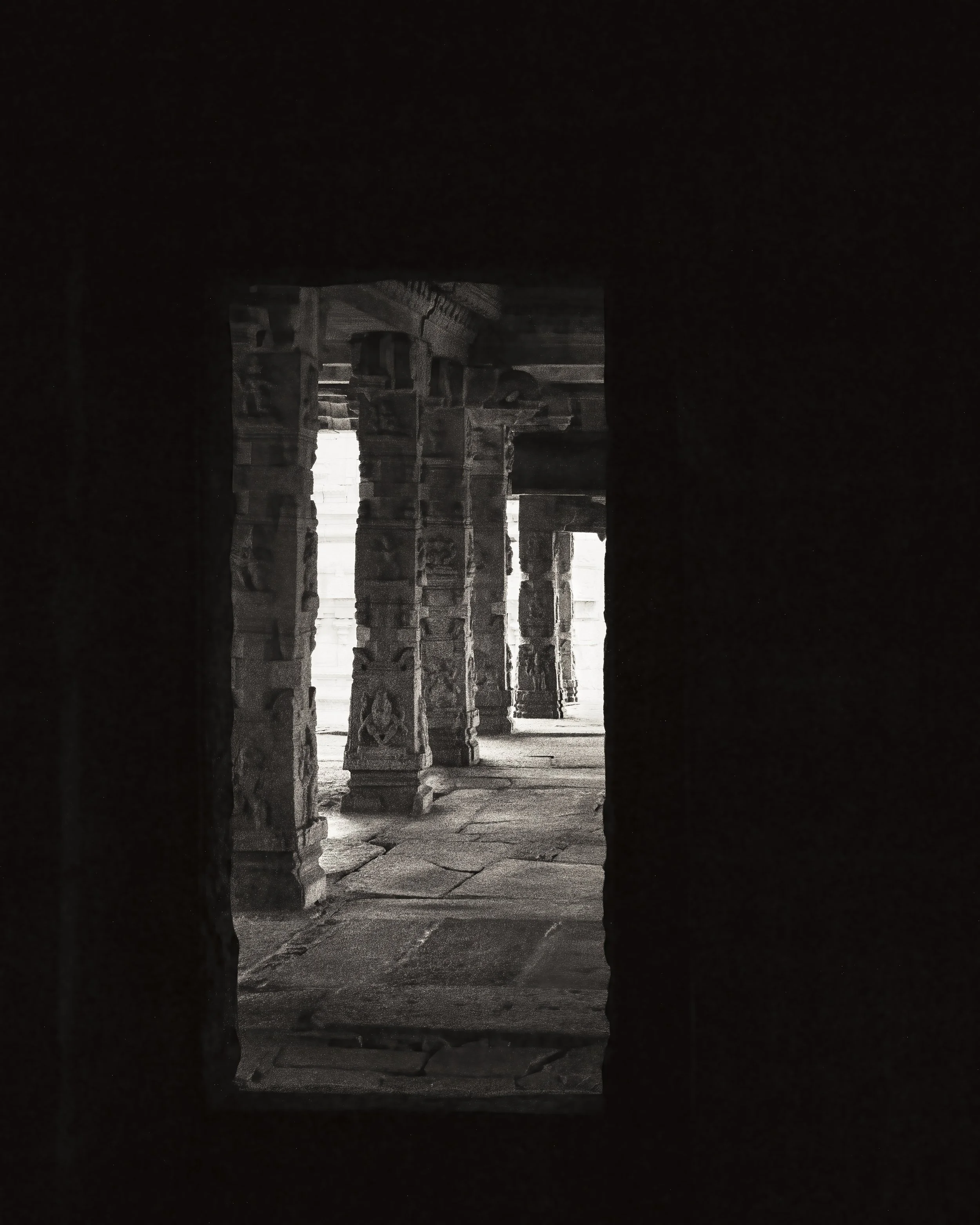
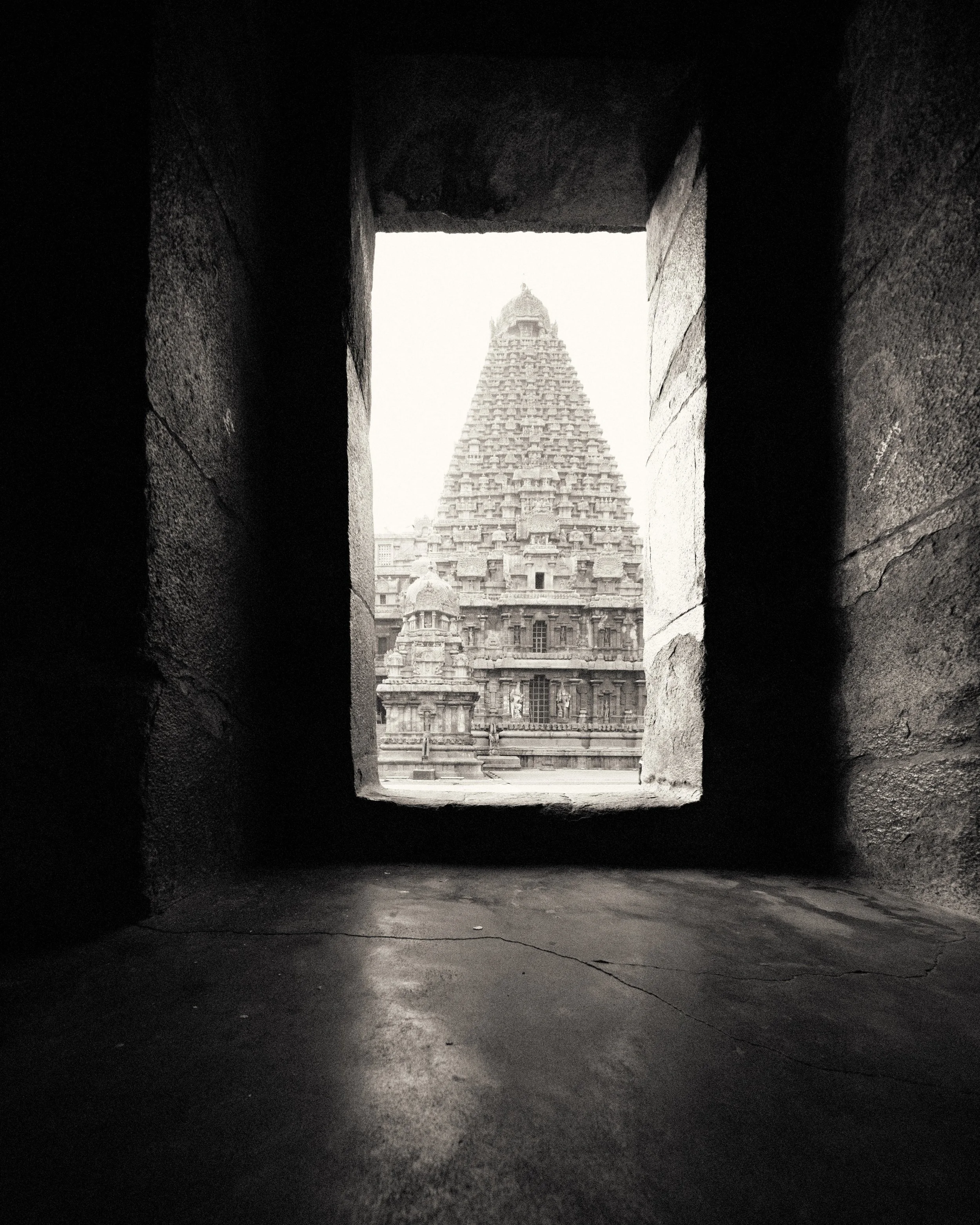
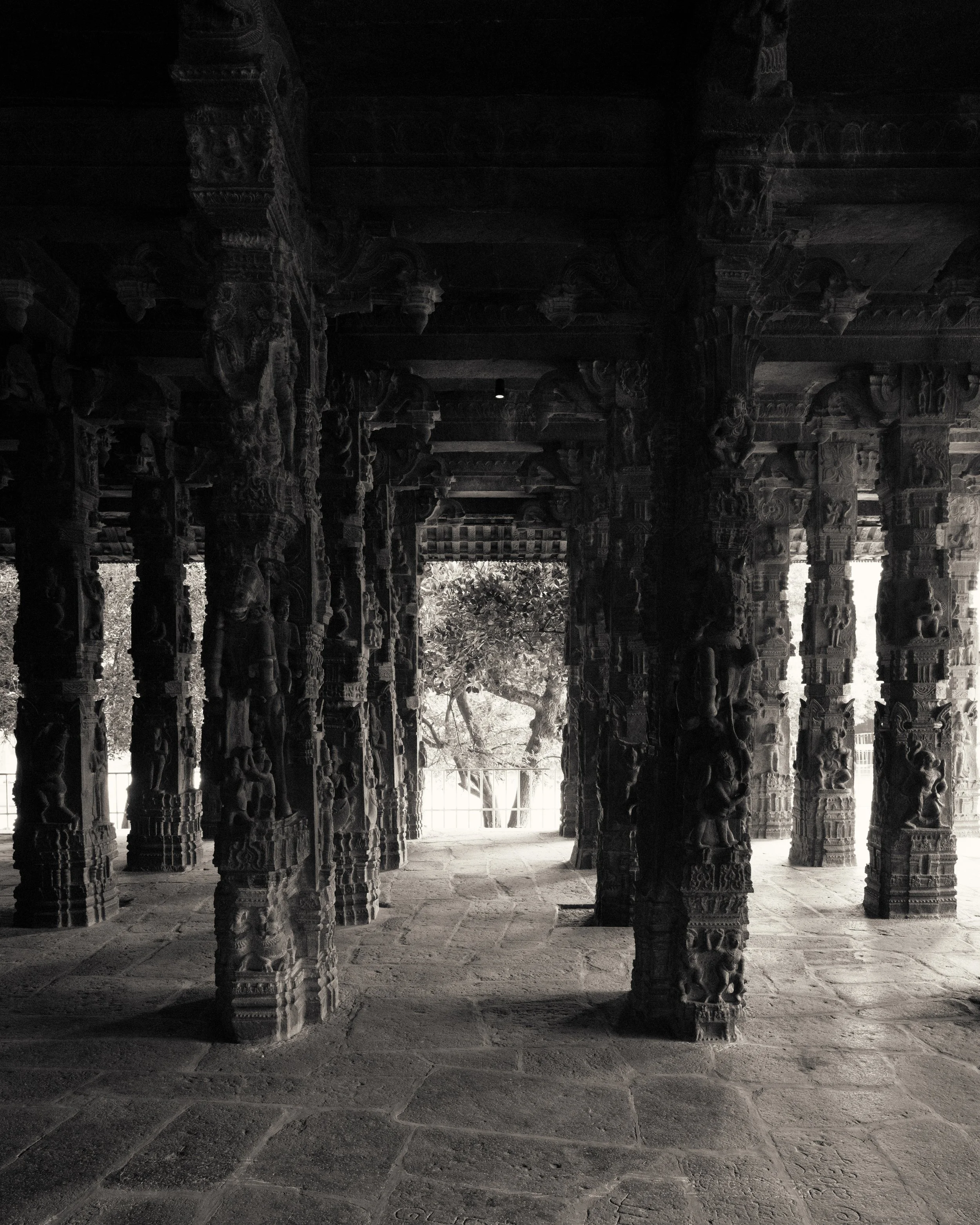
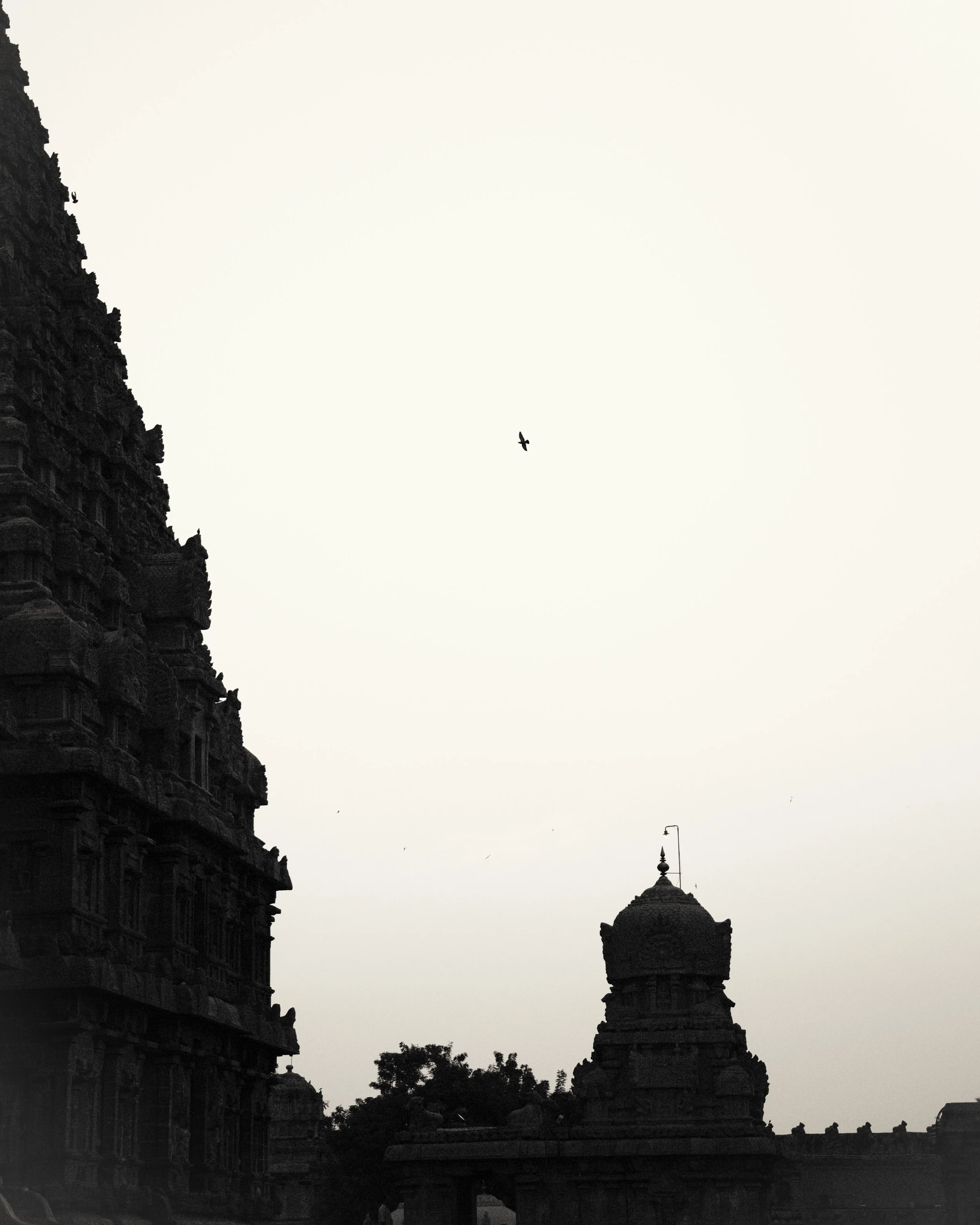
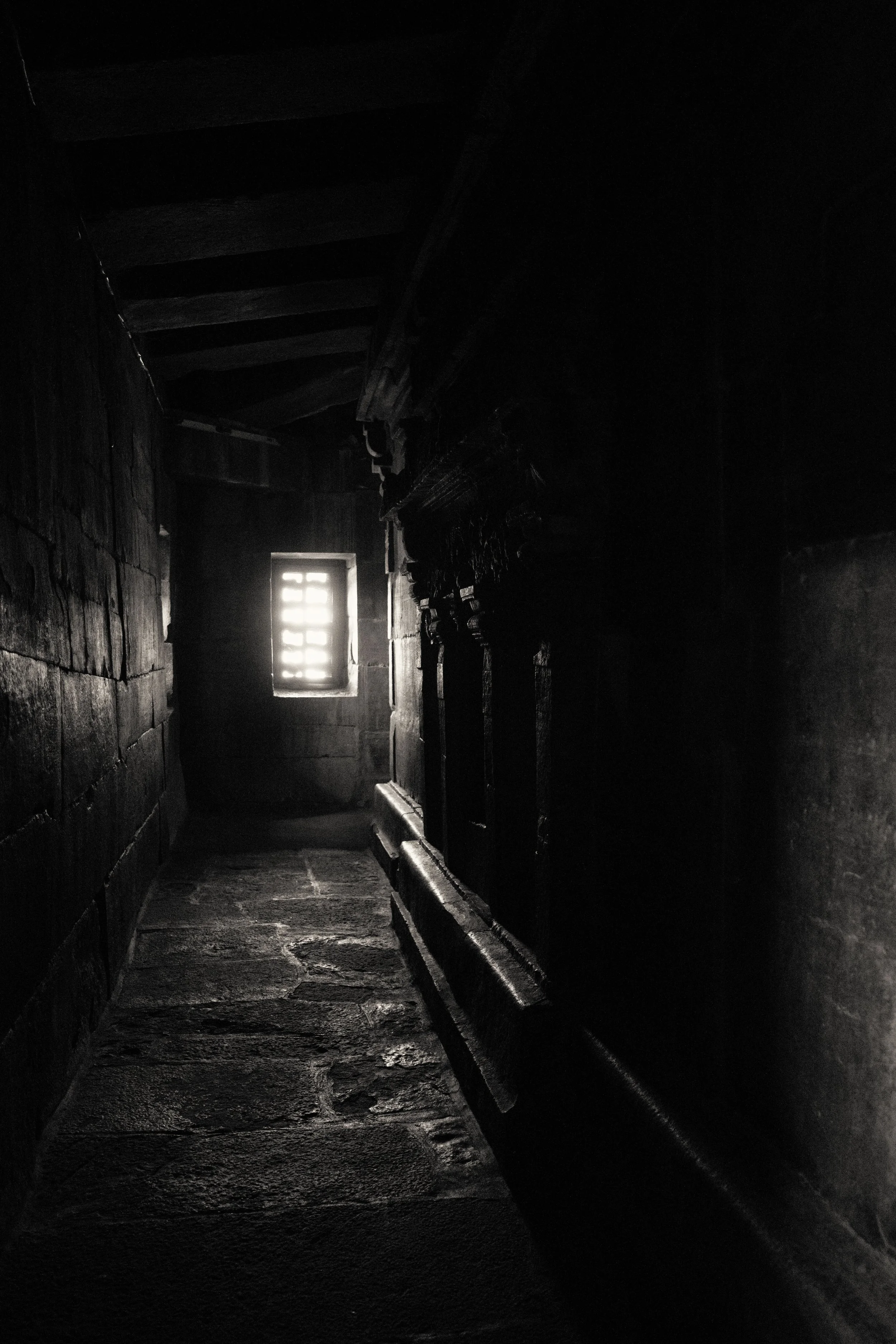
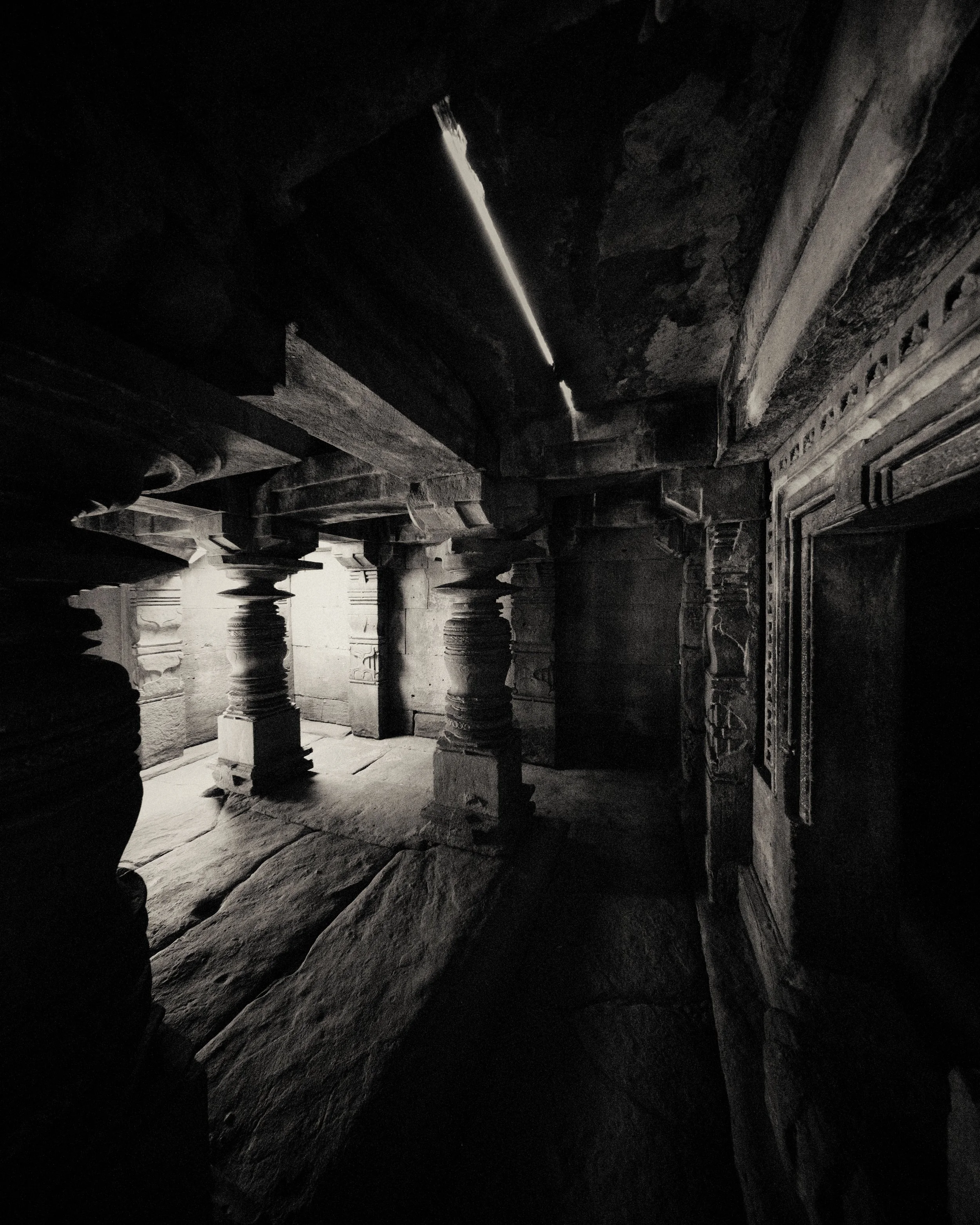
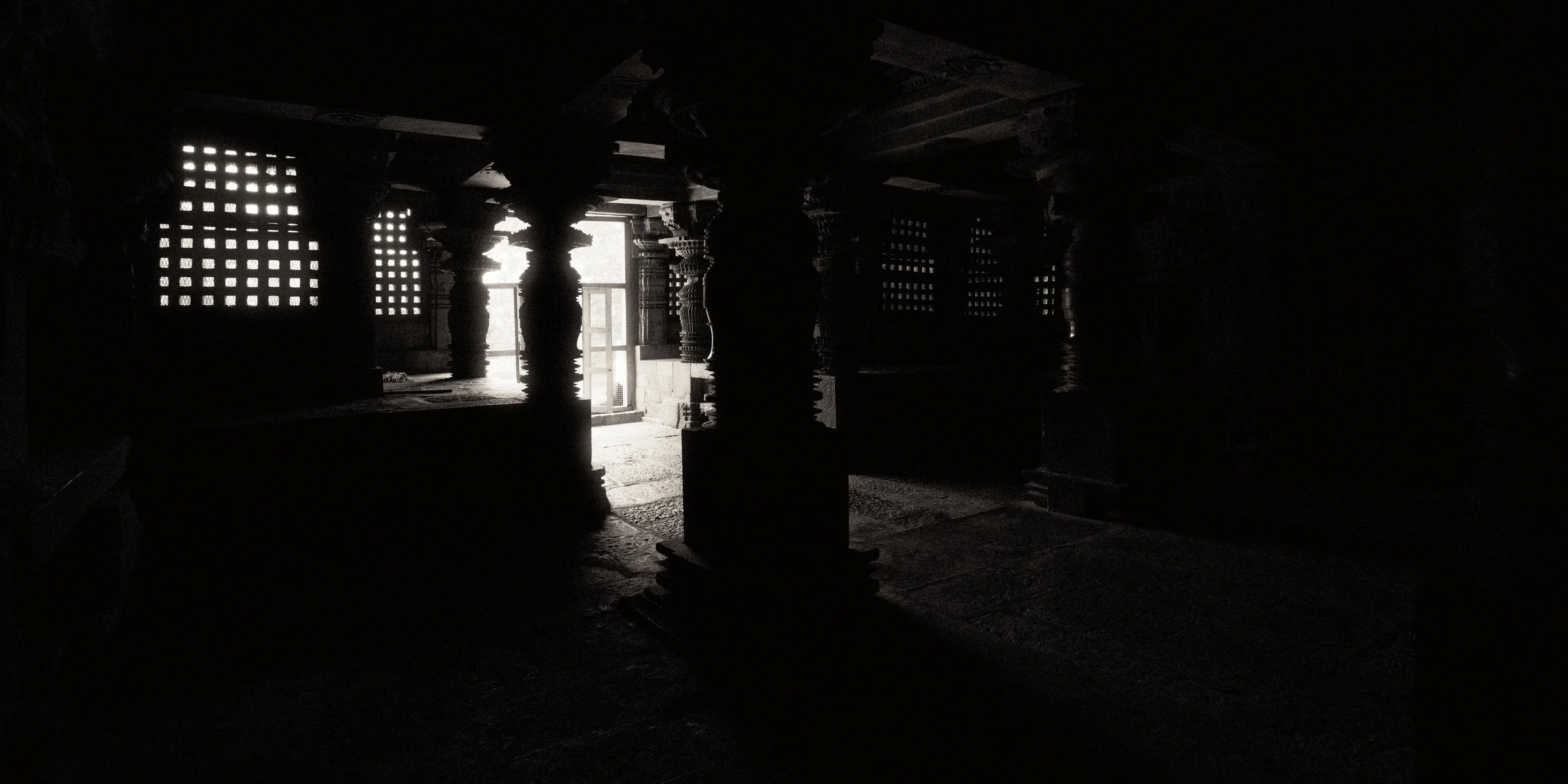
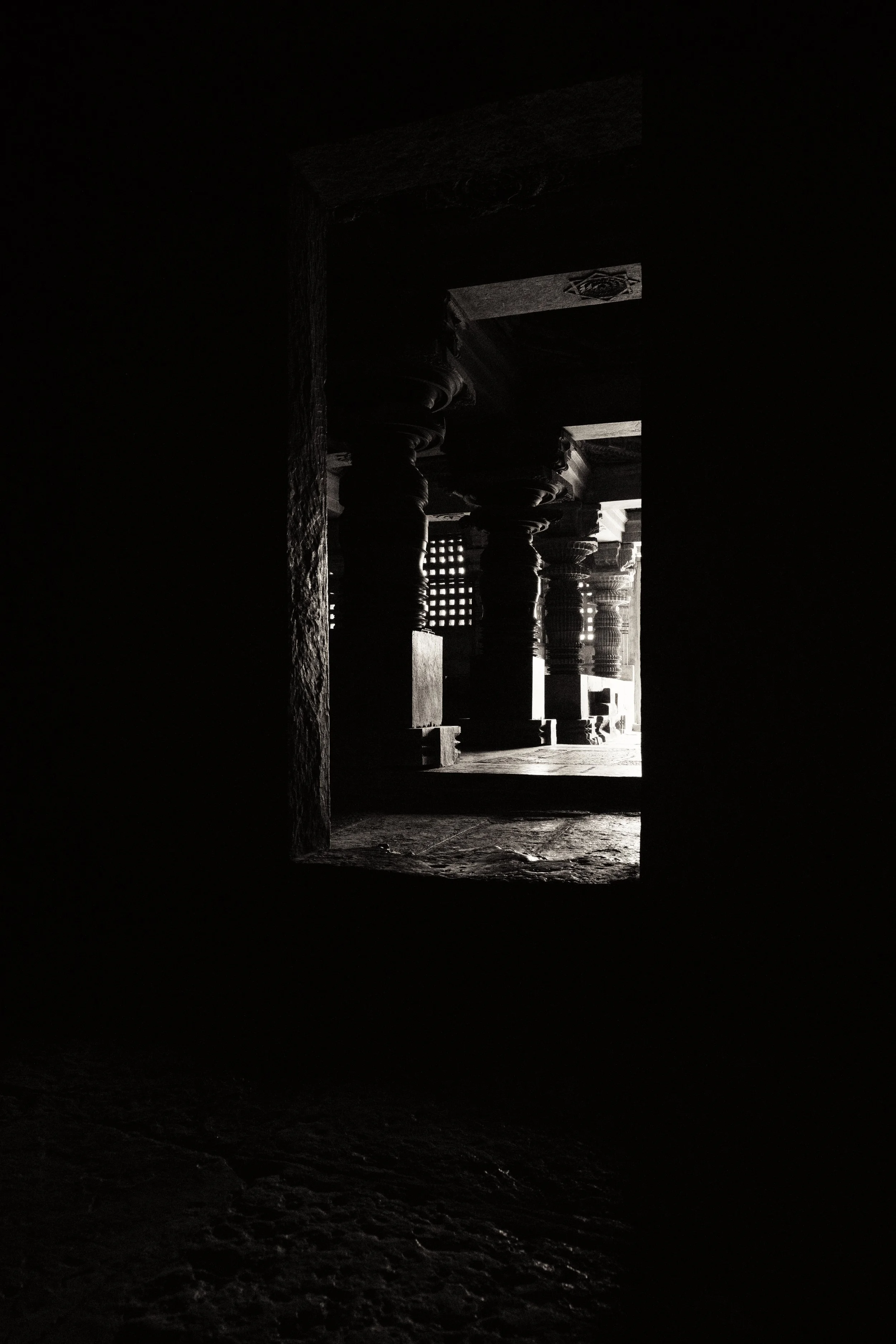
The photographs are not documentary. Most are deliberately made without people in them, not because these places are empty, but because I want to leave the space open for you to have a personal interaction with the space itself. A photograph filled with other visitors turns the viewer into a spectator, watching someone else's experience. An empty one leaves room for your own: a silent space of communion, where you become the one standing there, not observing the space but being part of it.
But a personal encounter with a space can only go so far without knowing what you're part of. Each photograph is paired with a short essay, drawing out the history, belief, philosophy, and meaning behind what the image shows, so the silence of the space and the story behind it work together. The photograph invites you in, and the essay adds meaning to the visit.
Together, they are organized into seven themes: What We Remember, Who We Are, What We Believe, What We Question, What We Gave the World, What We Practice, and What We Built. They are written for three audiences at once: the curious foreigner encountering India for the first time, the Indian diaspora and their children seeking a fuller understanding of a heritage sometimes held at a distance, and the Indian at home who has lived alongside these traditions without always knowing their deeper meaning.
This project is now roughly 75% complete, three years in, with an estimated two more years to finish, publishing as an oversize book of 108 images and essays, and, I hope, as large prints in a museum exhibition.
A parallel project, DARSHAN Asia , already underway with photography completed in six out of twelve countries, traces how Hinduism and Buddhism spread beyond India's borders and interwove with the cultures of the countries that received them.
Ultimately, I hope that when my children and grandchildren, and yours as well, turn the pages in my books of photographs, they will point to one image that captures their imaginations and then ask us to take them there. For this experience, my friends, the seeing of these ancient places through their fresh eyes, will undoubtedly be the ultimate form of DARSHAN.
Arun Patel Sacramento, California, USA January 2025
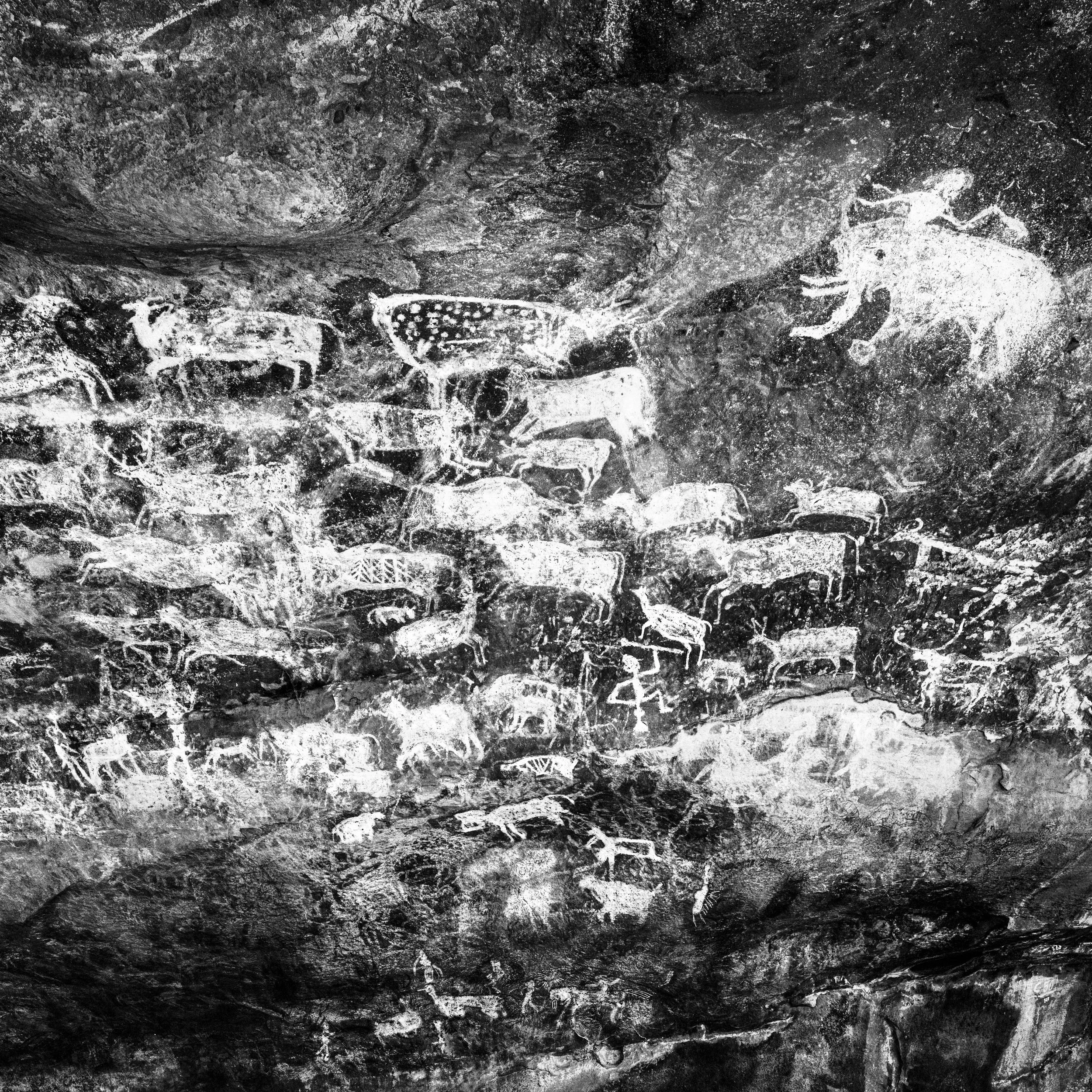
Bhimbetka Caves